PROGRAM
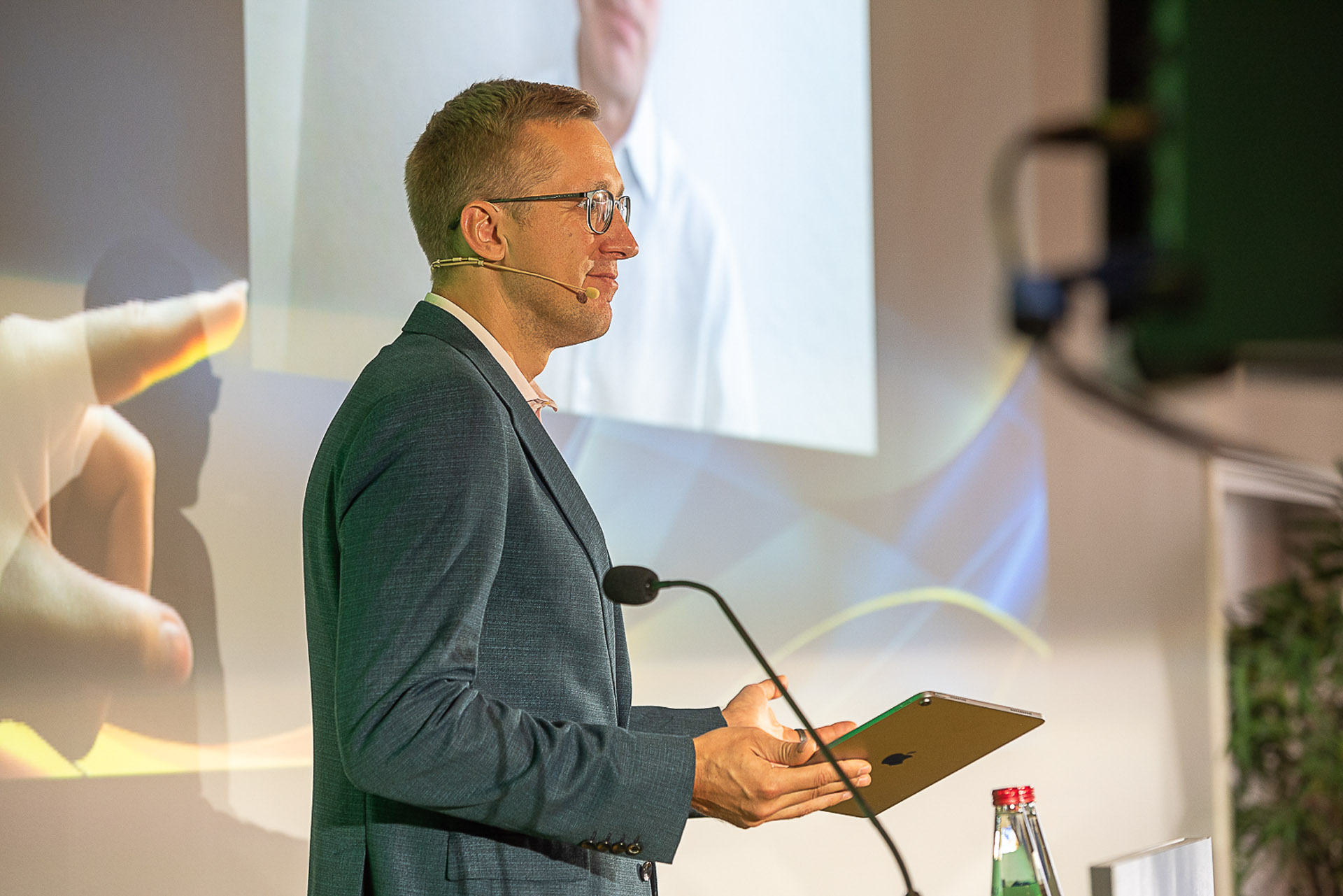
Moderator Johannes Tralla
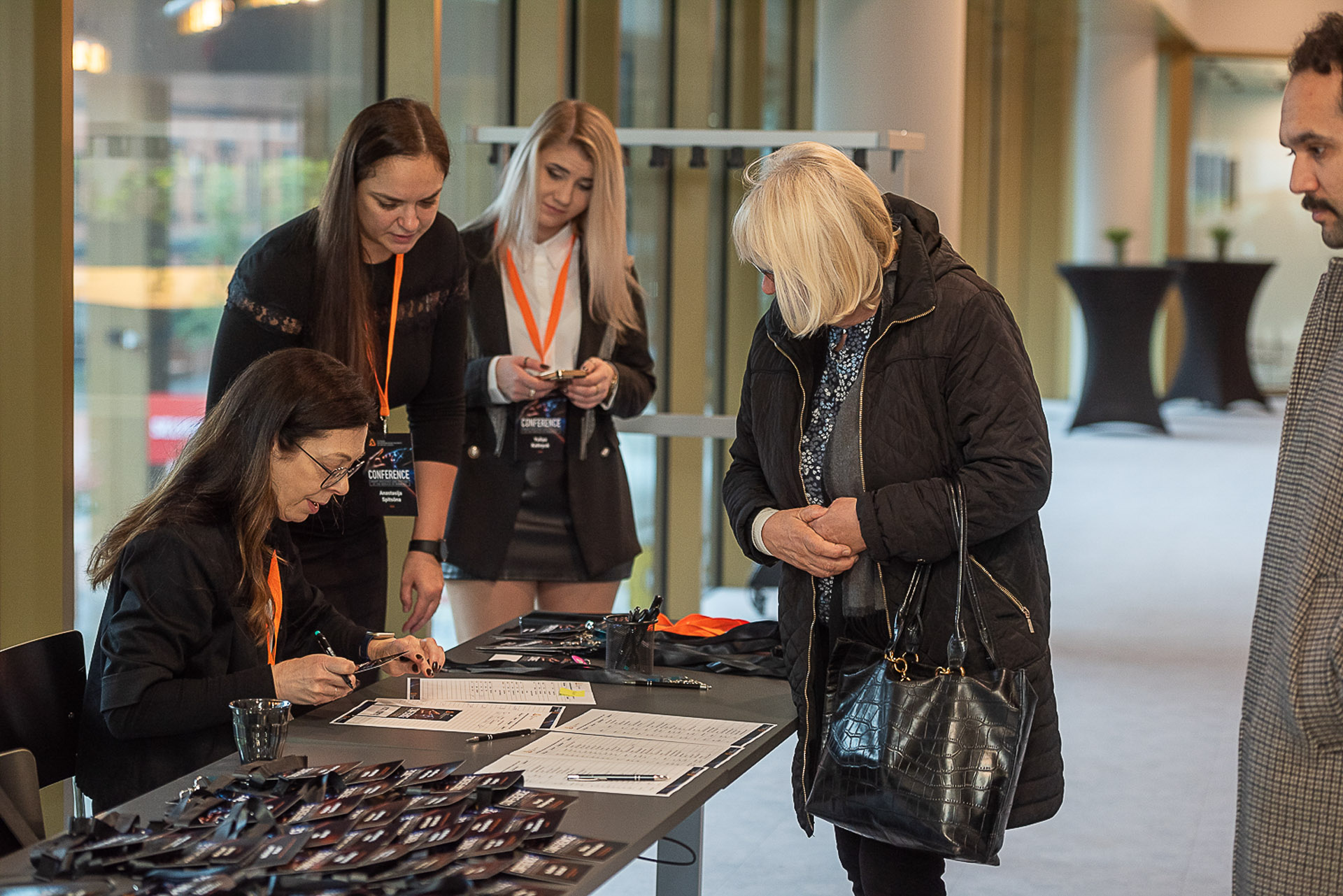
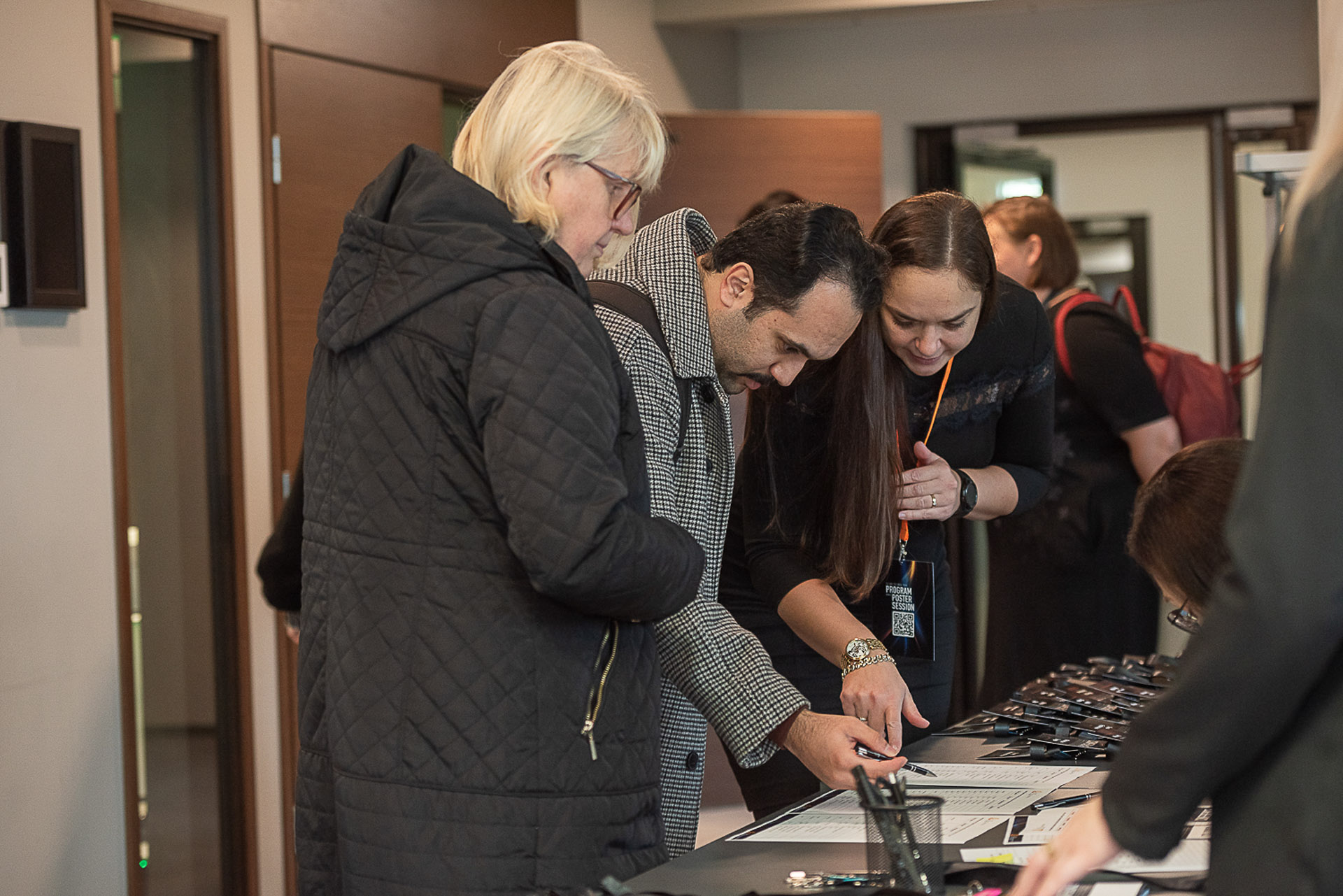
| 9.00–10.00 | Registration, morning coffee |
| 10.00–10.10 |
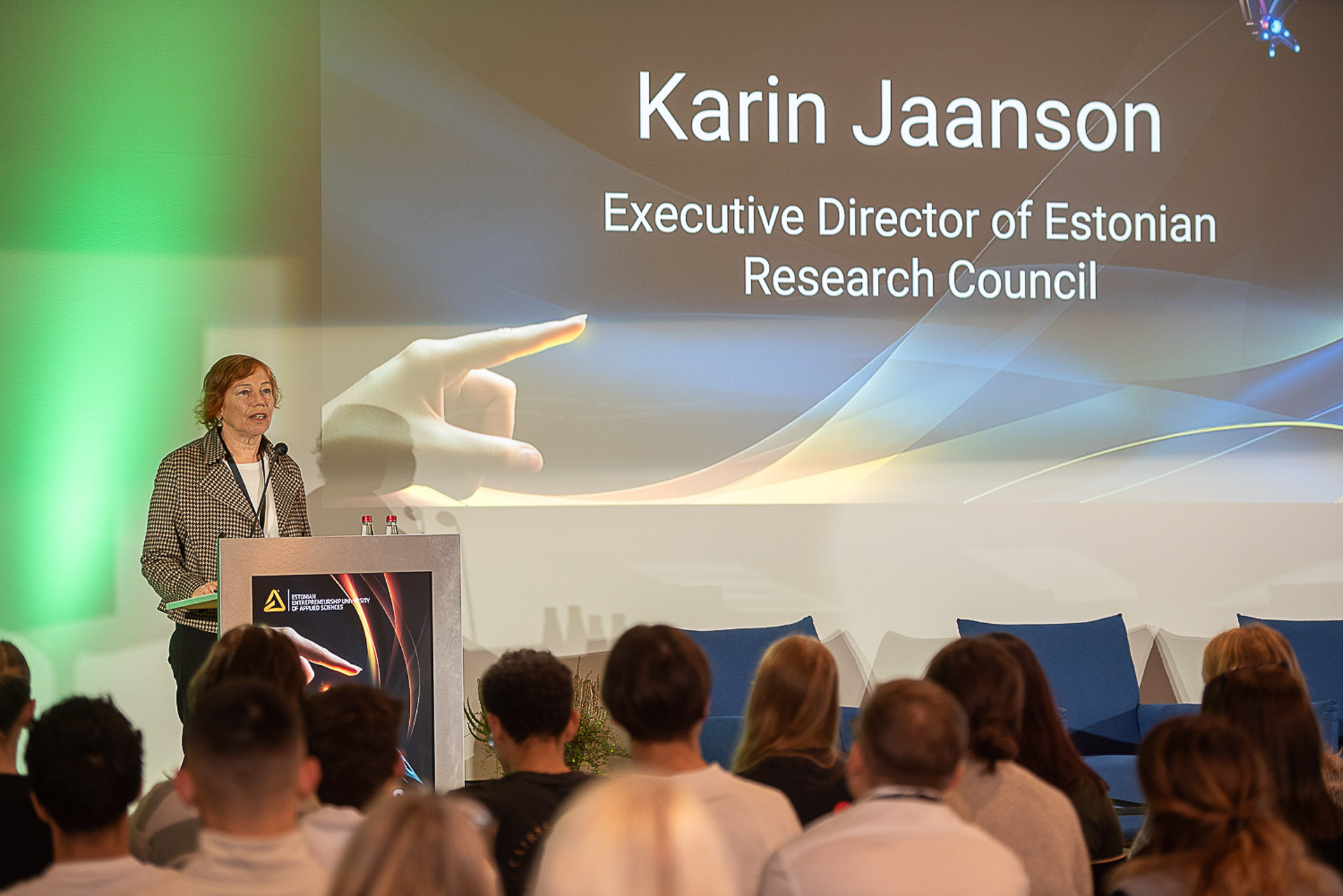
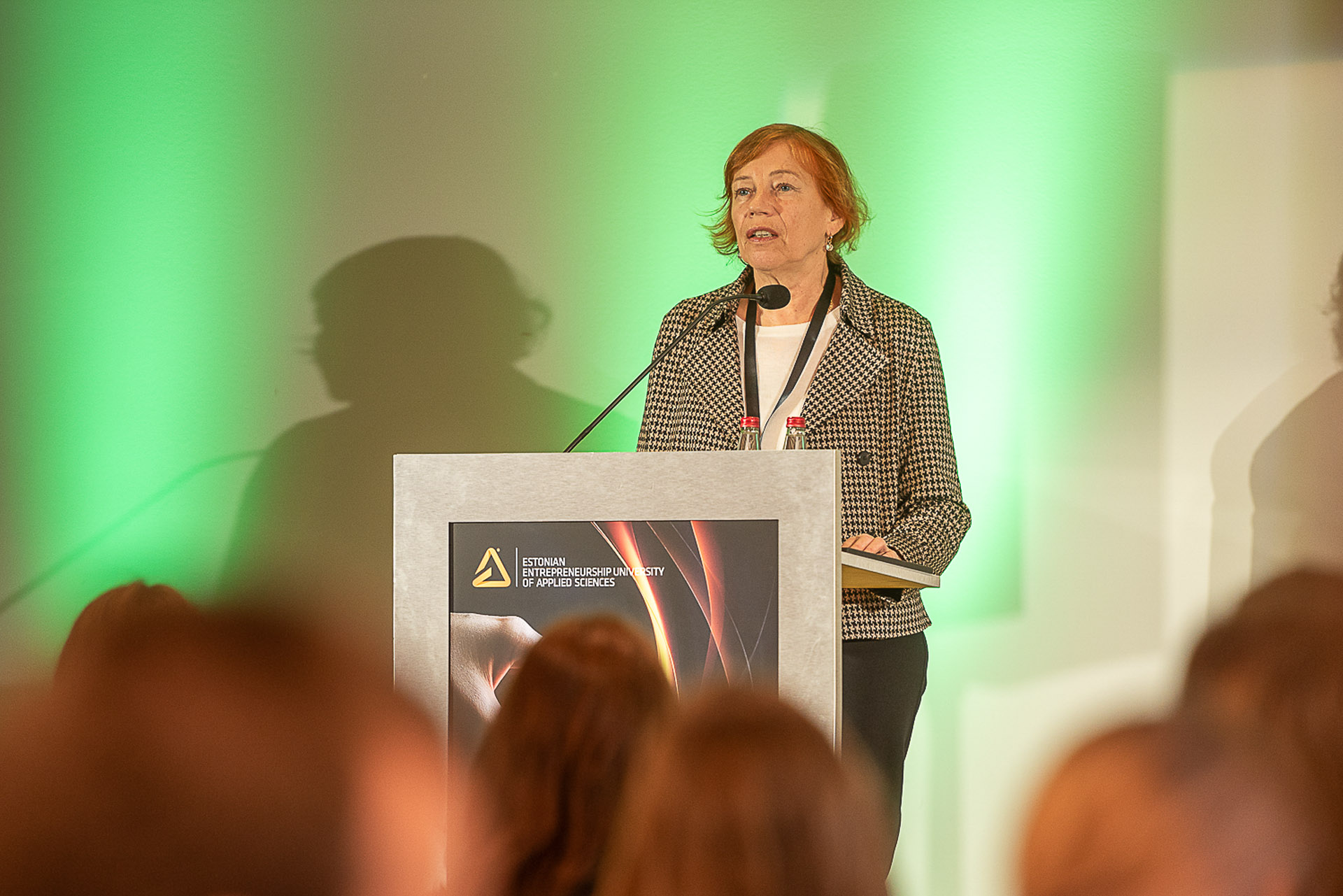
Conference welcome words Karin Jaanson, Executive Director of Estonian Research Council |
| 10.10–12.00 |
Keynote Speakers on the topics as follow:
|
| 12.00–12.45 | Lunch |
| 12.45–14.00 |
Presentations of scientific papers:
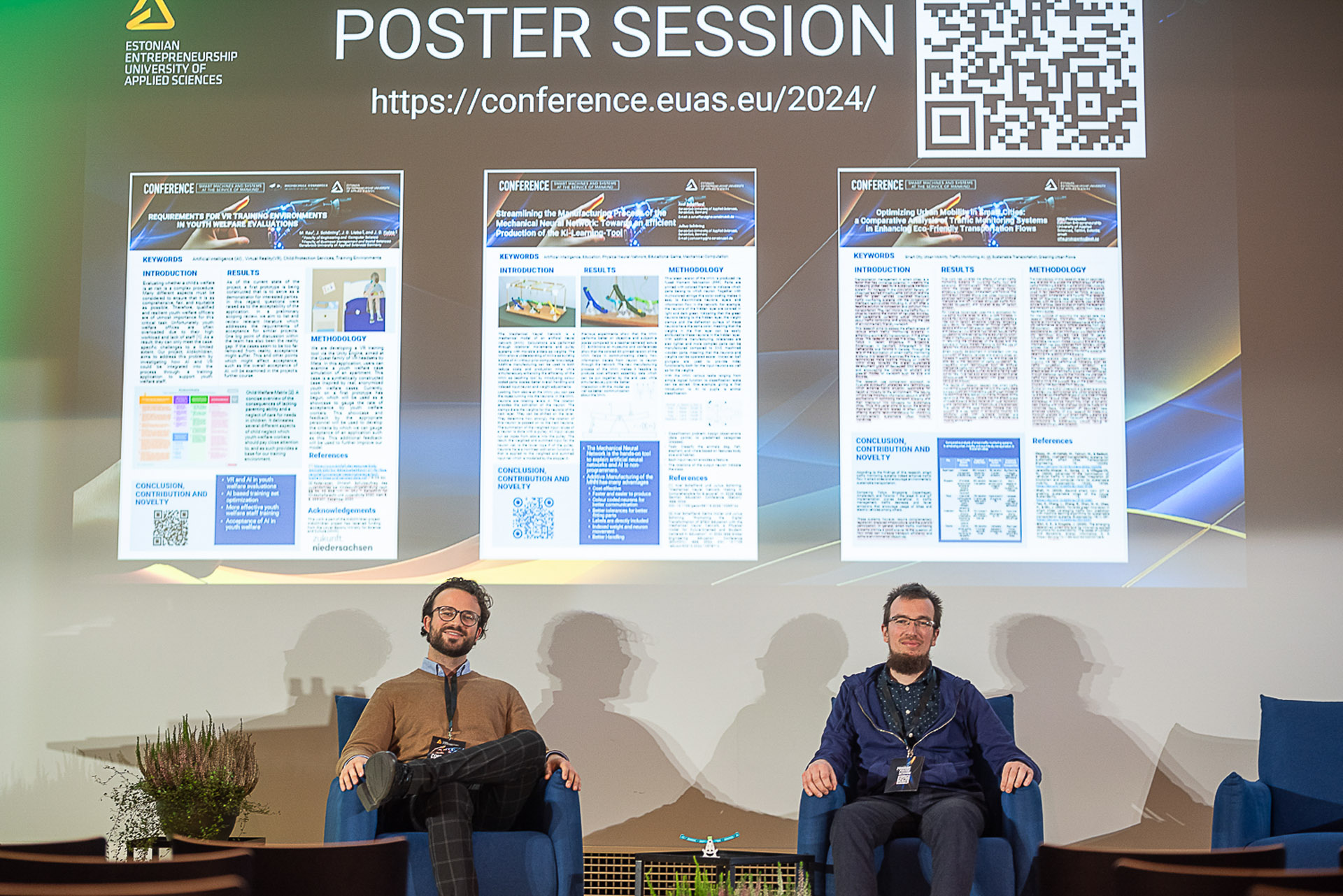
POSTER SESSIONAll posters can be found here! |
| 14.00–14.20 | Coffee break |
| 14.20–14.50 |
Keynote Speakers on the topic as follows / Case study presentations:
|
| 14.50–16.00 |
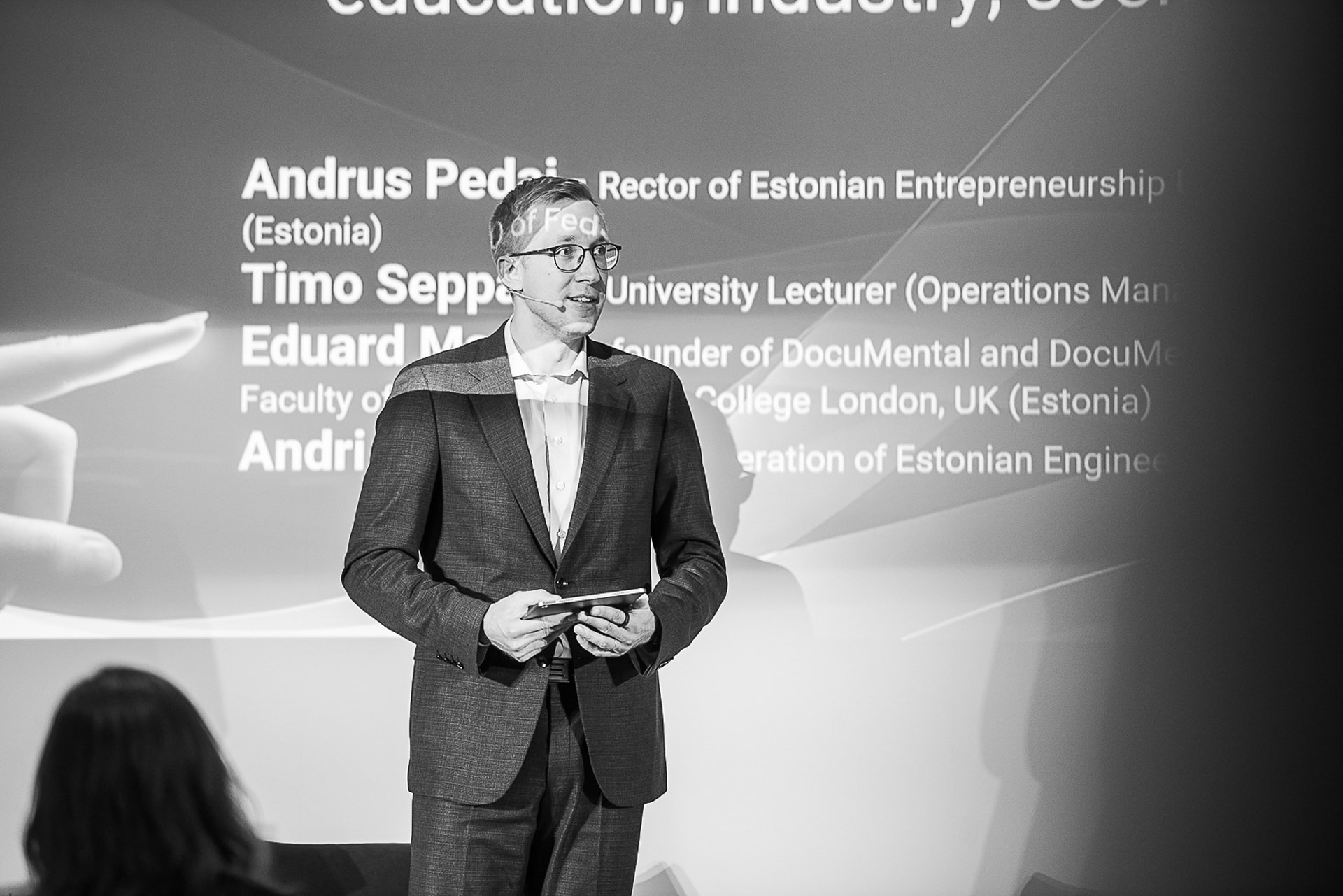
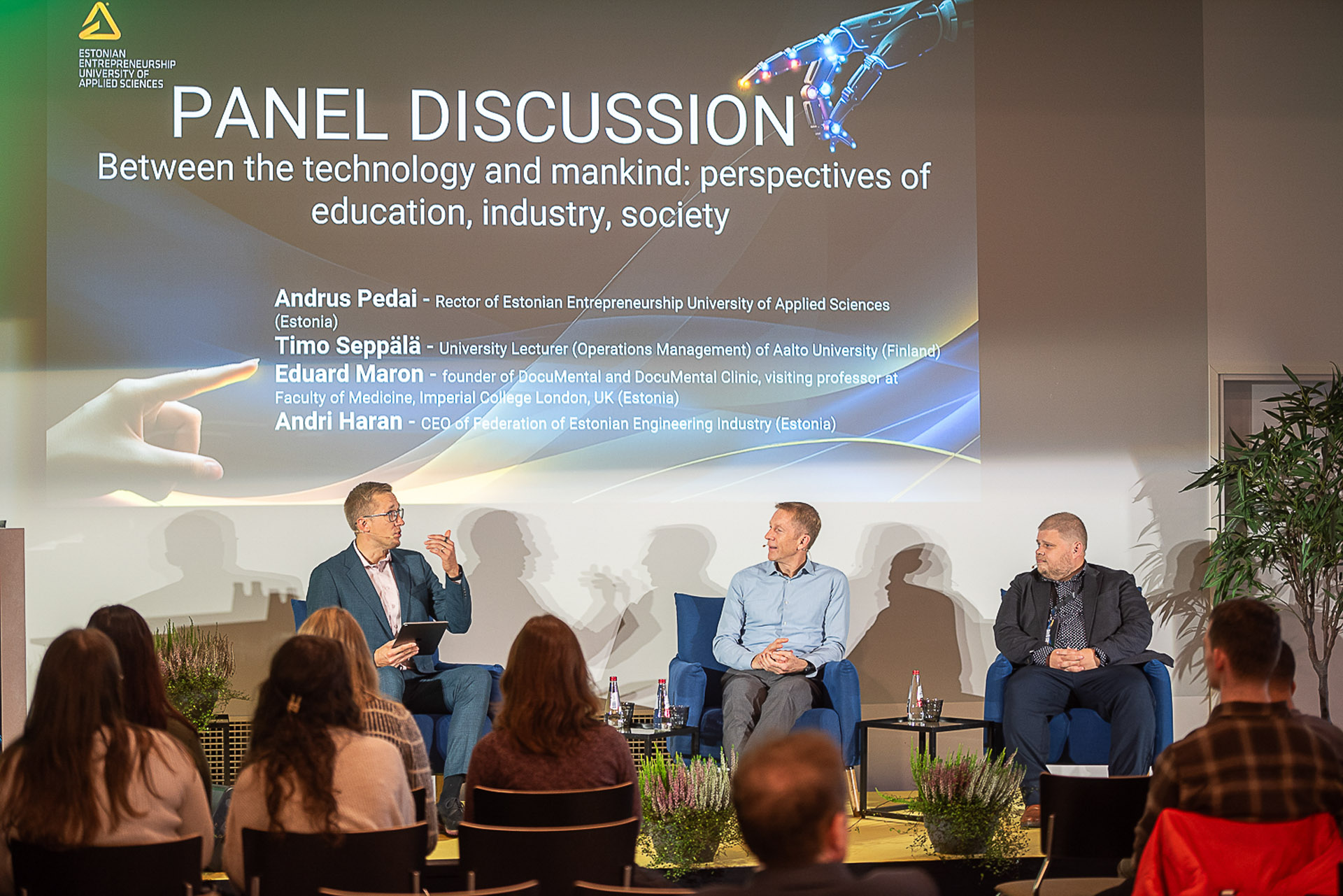
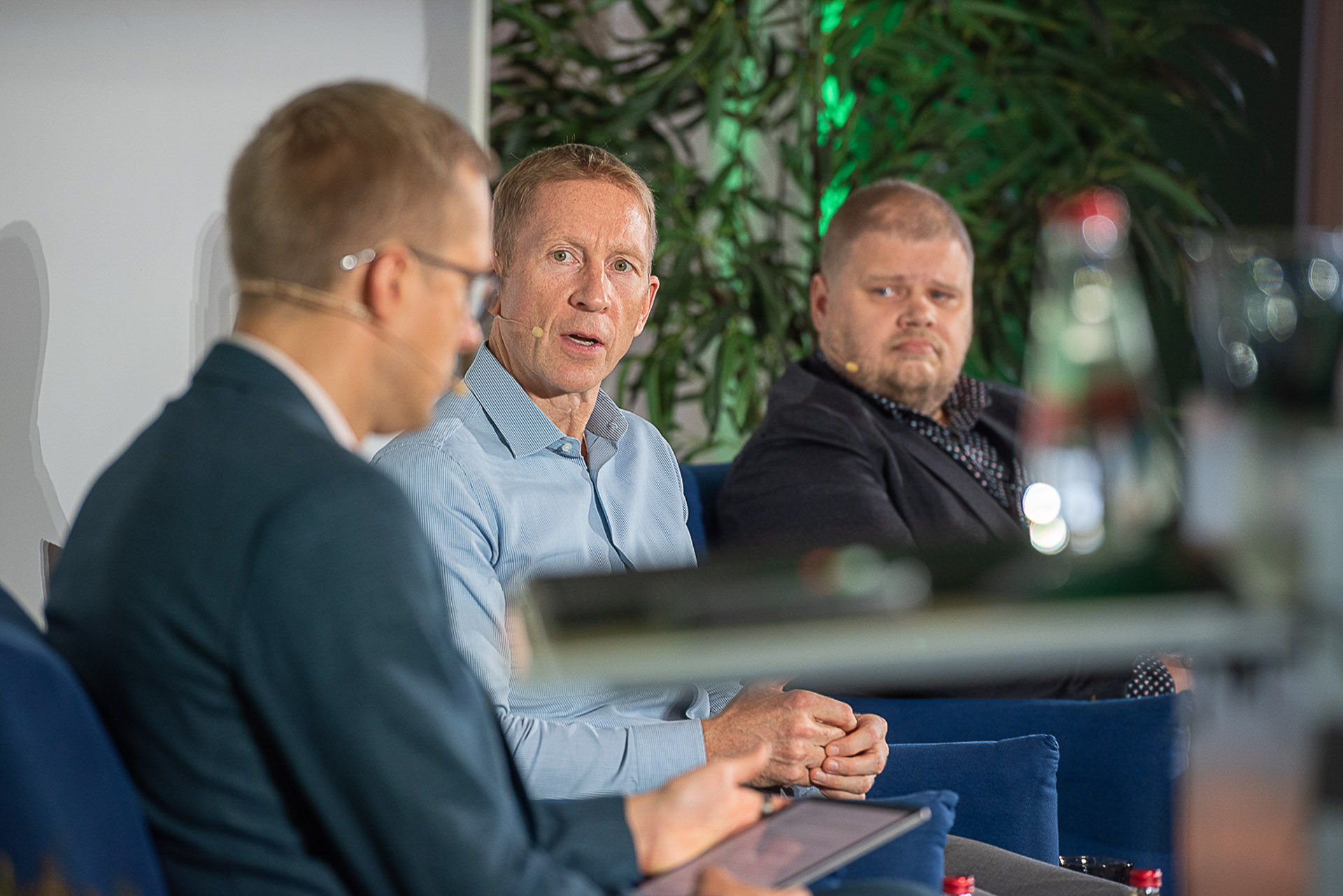
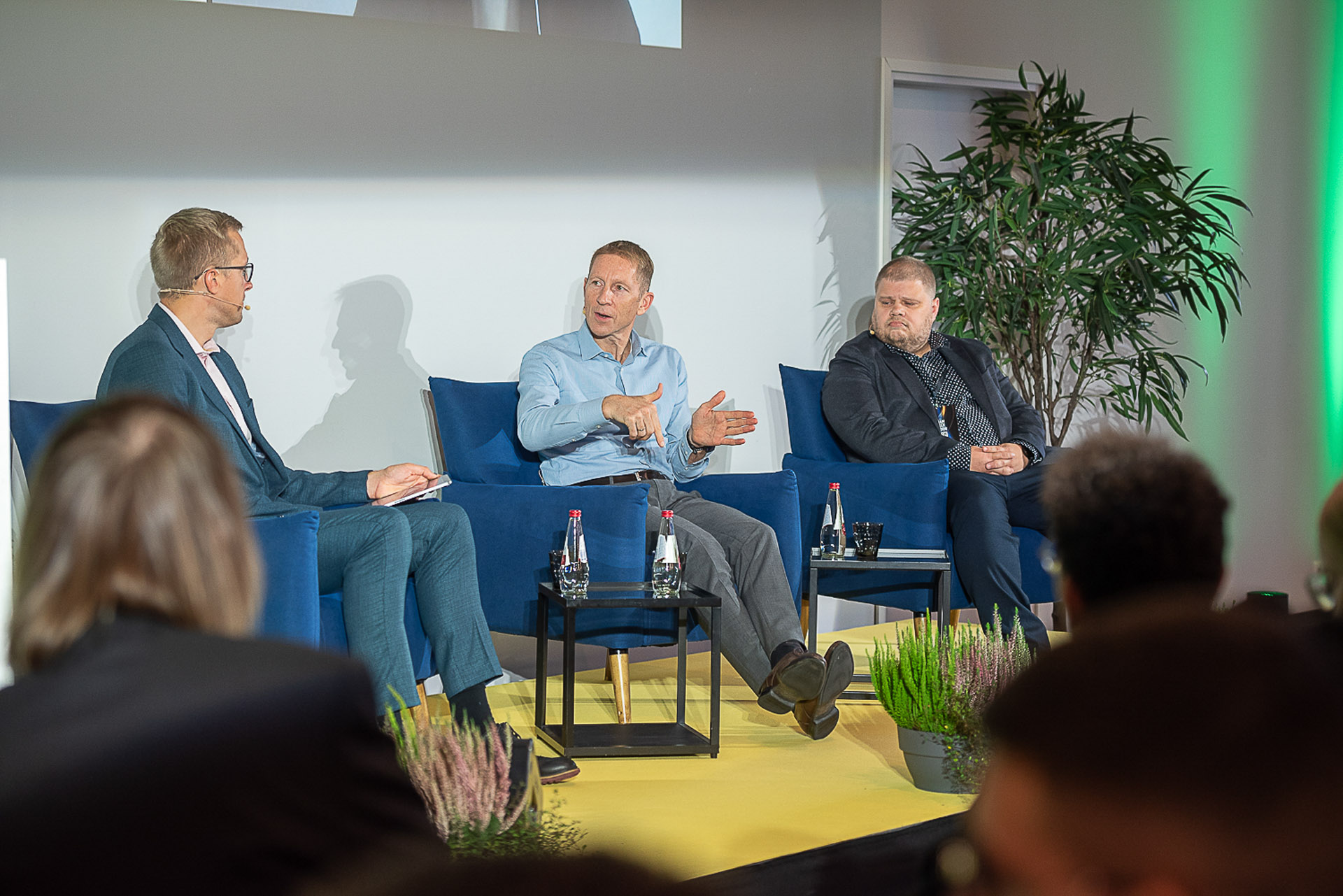
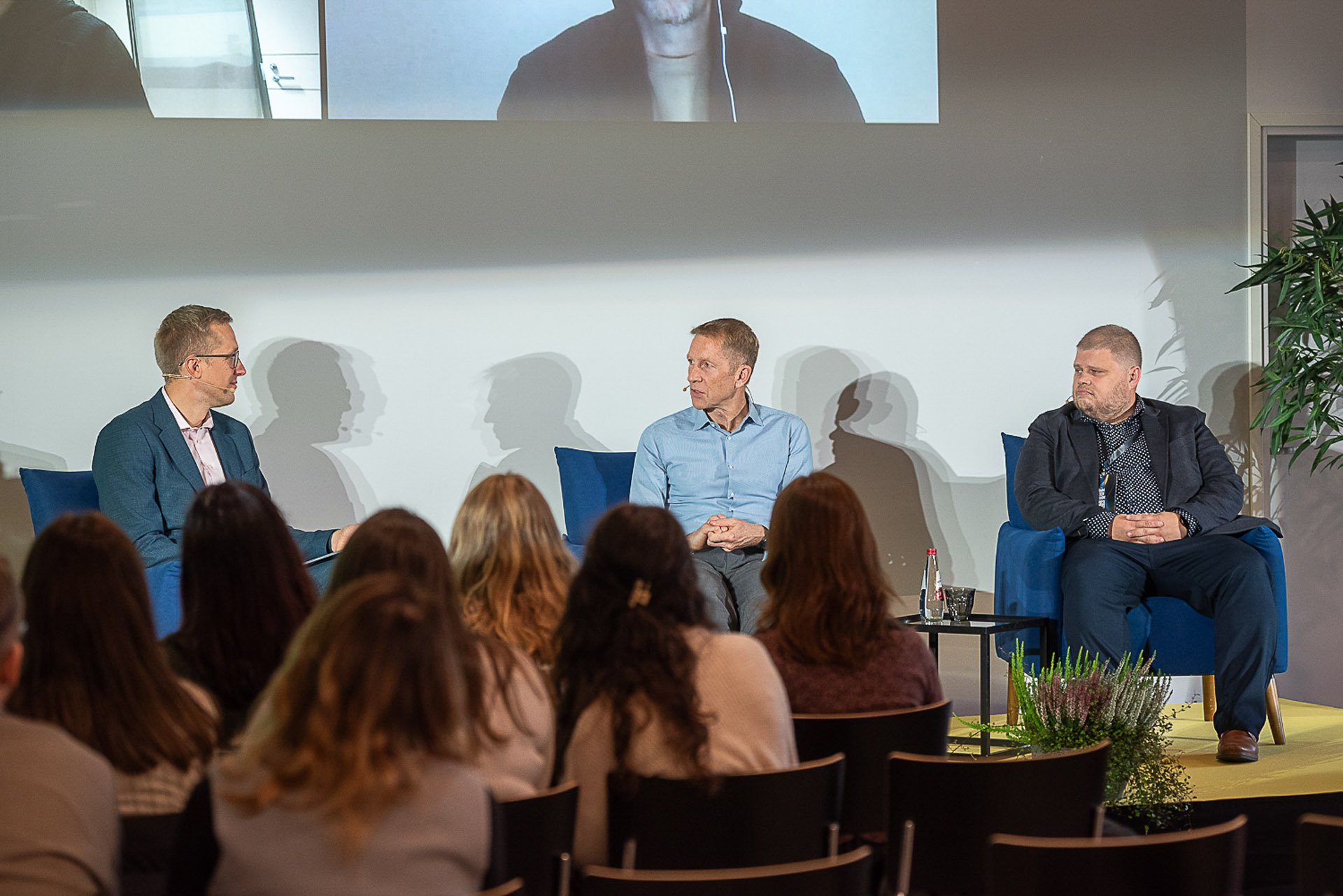
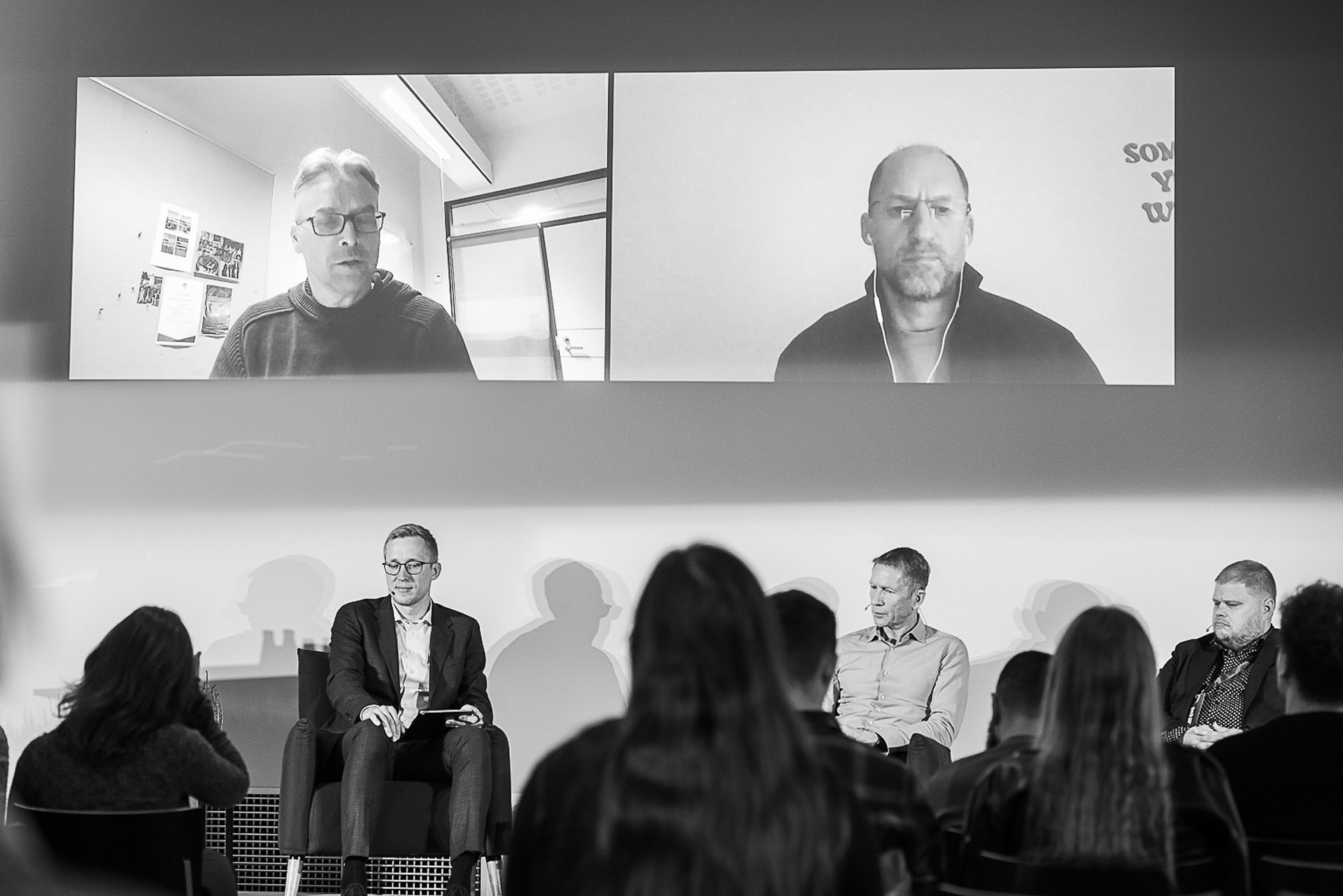
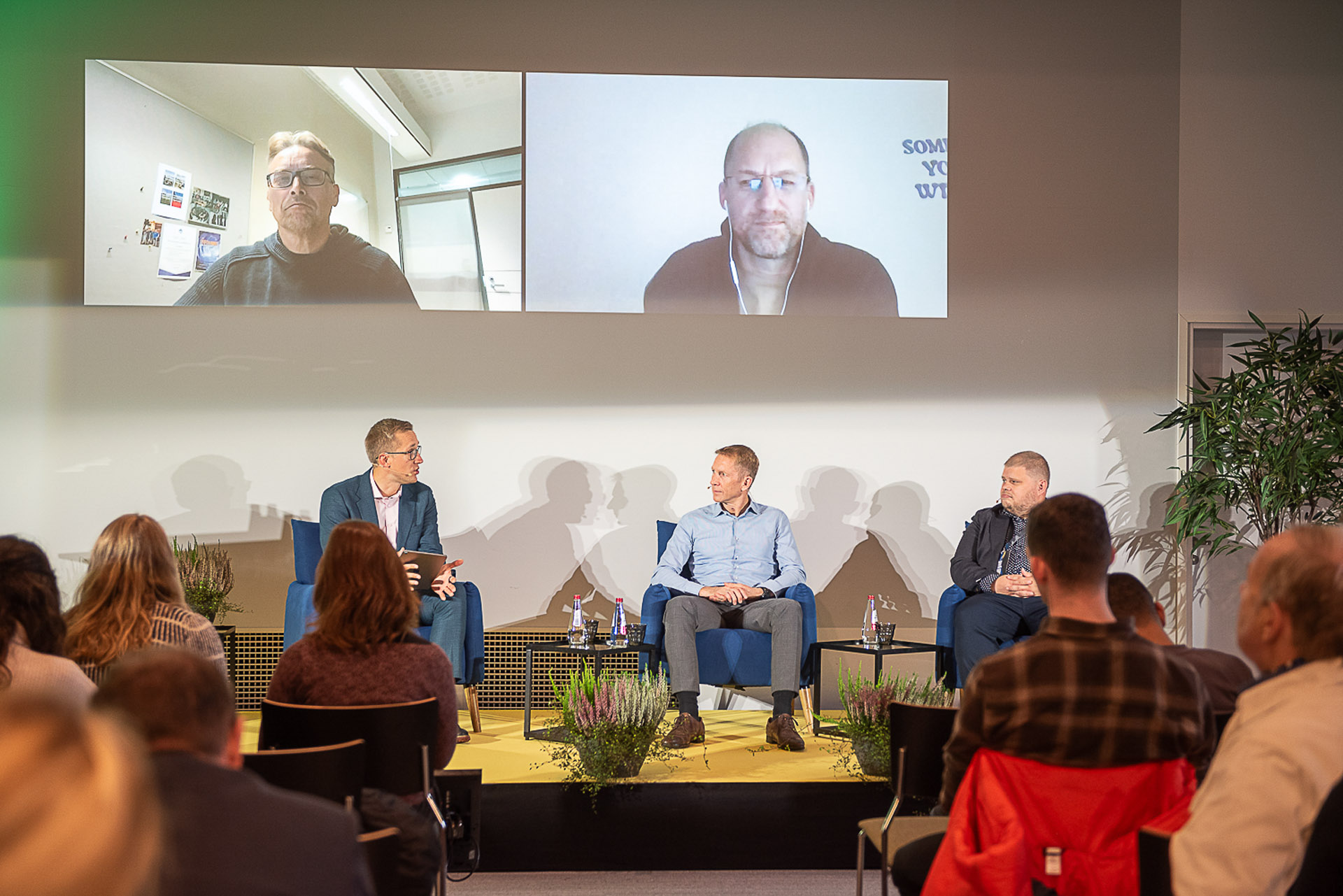
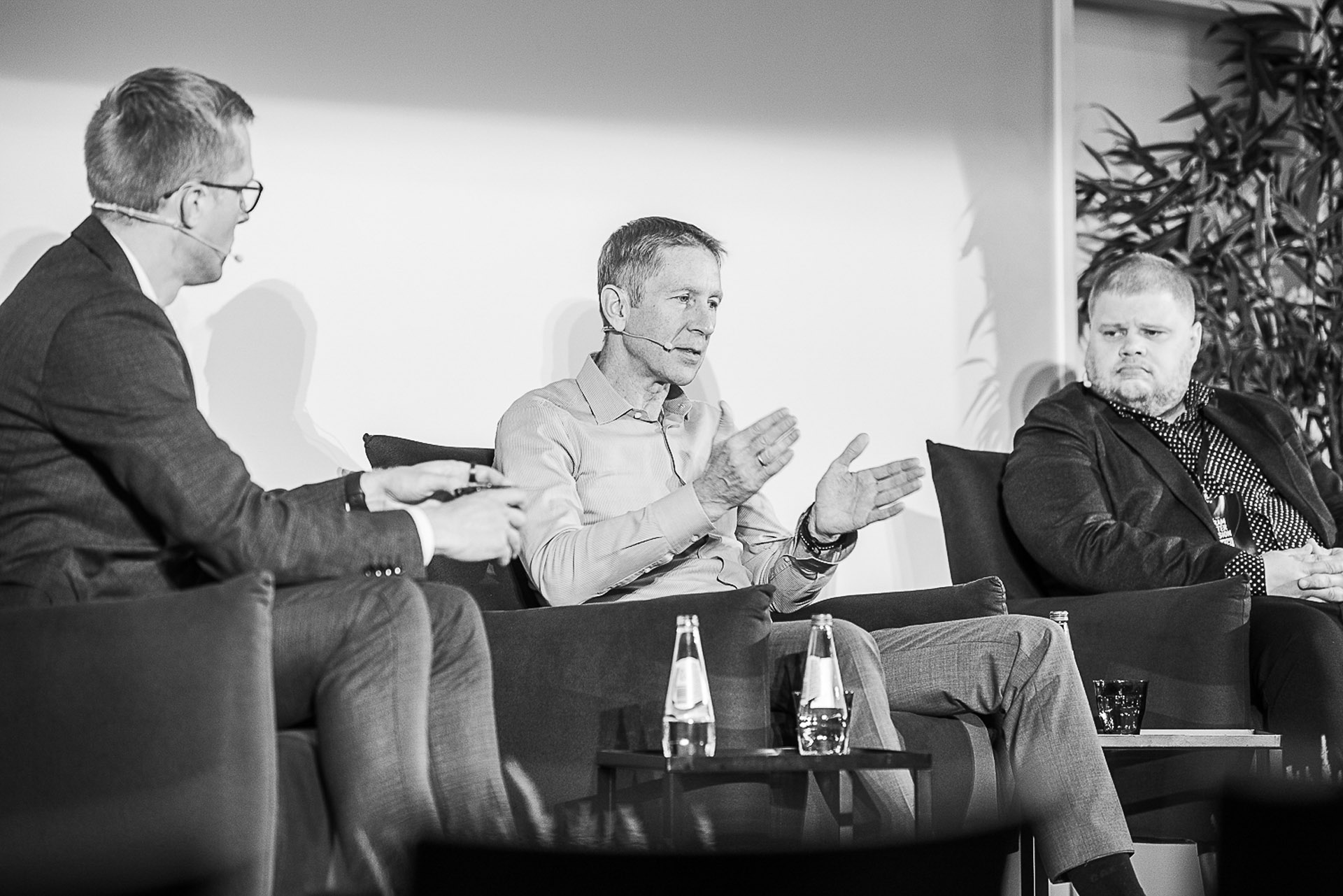
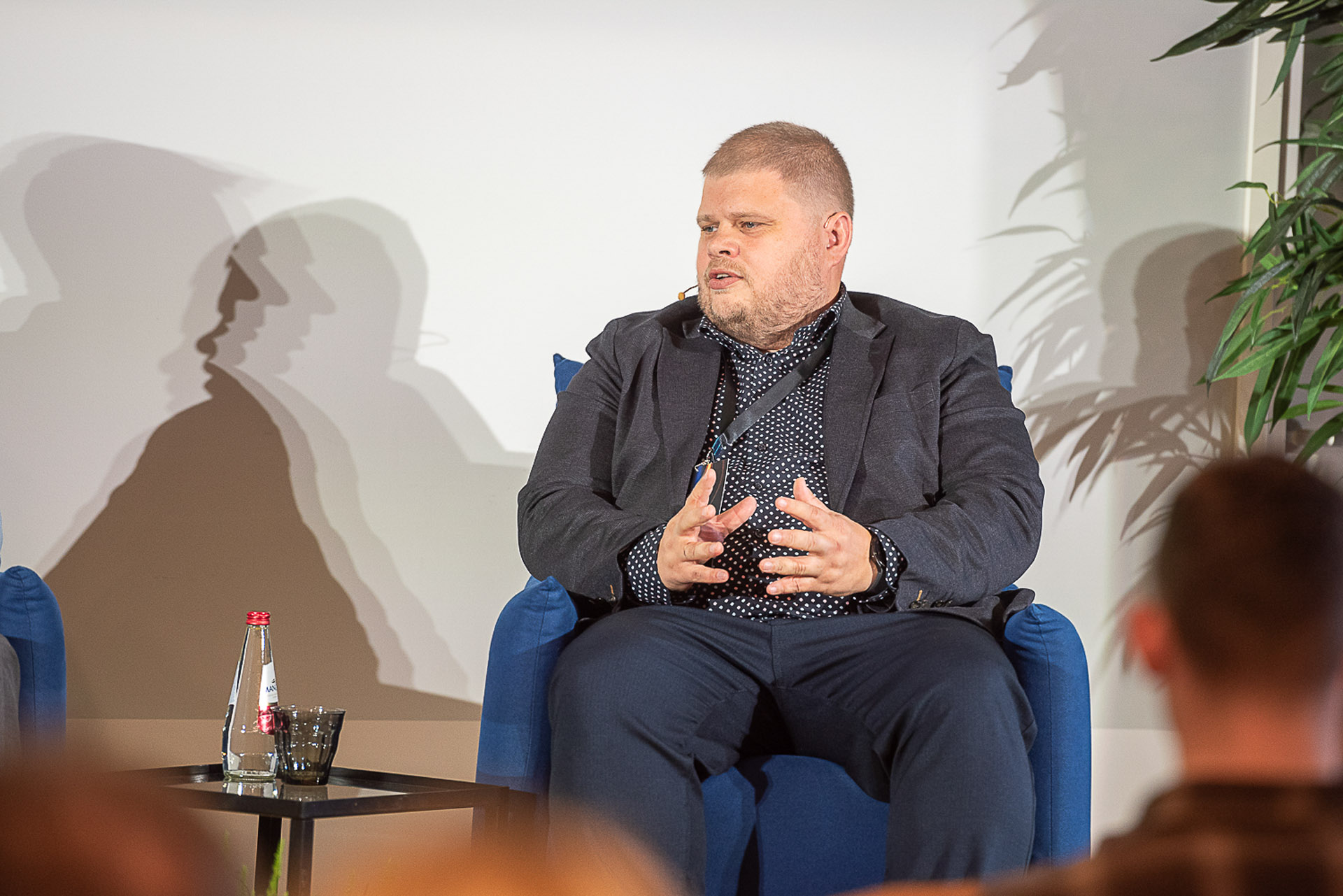
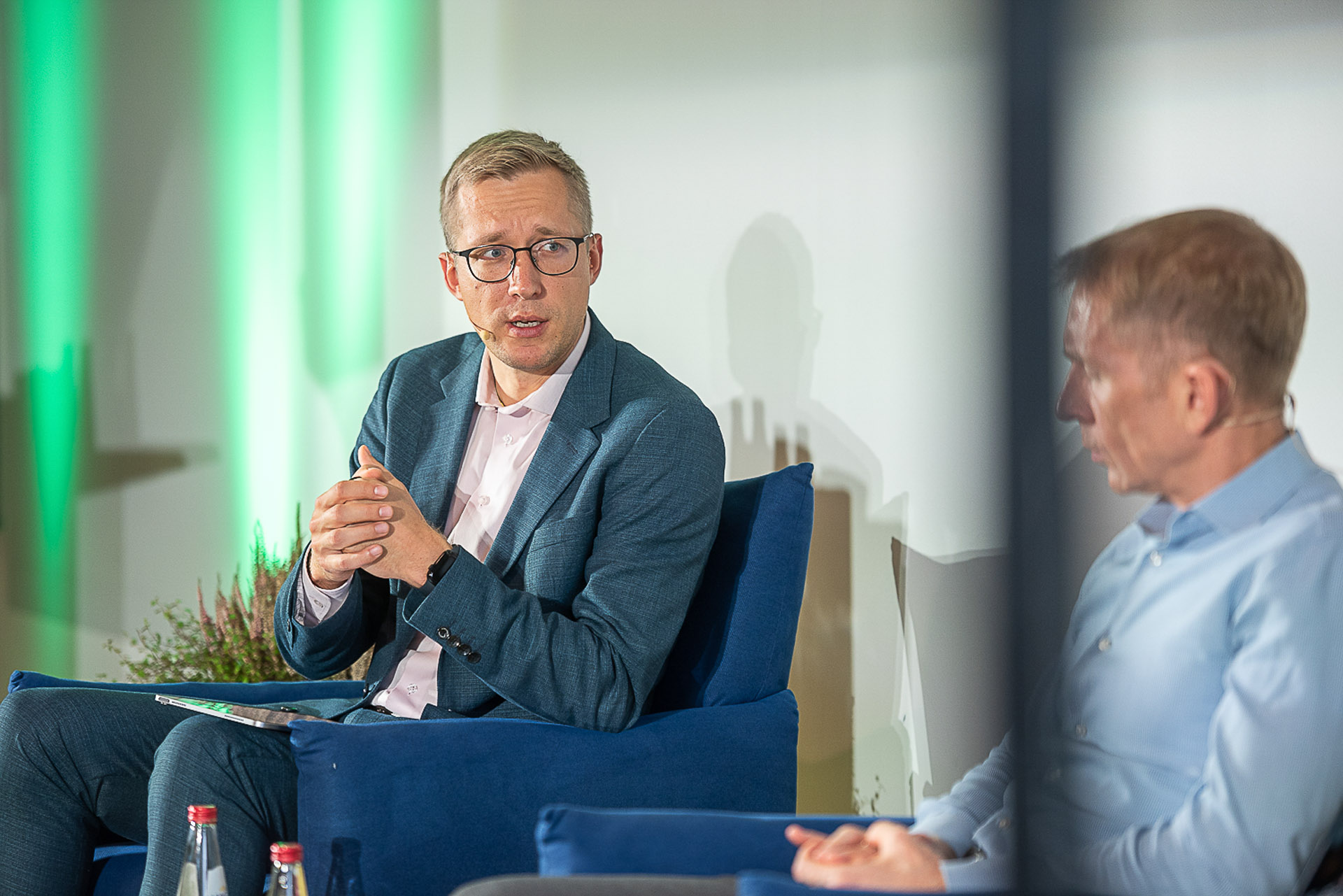
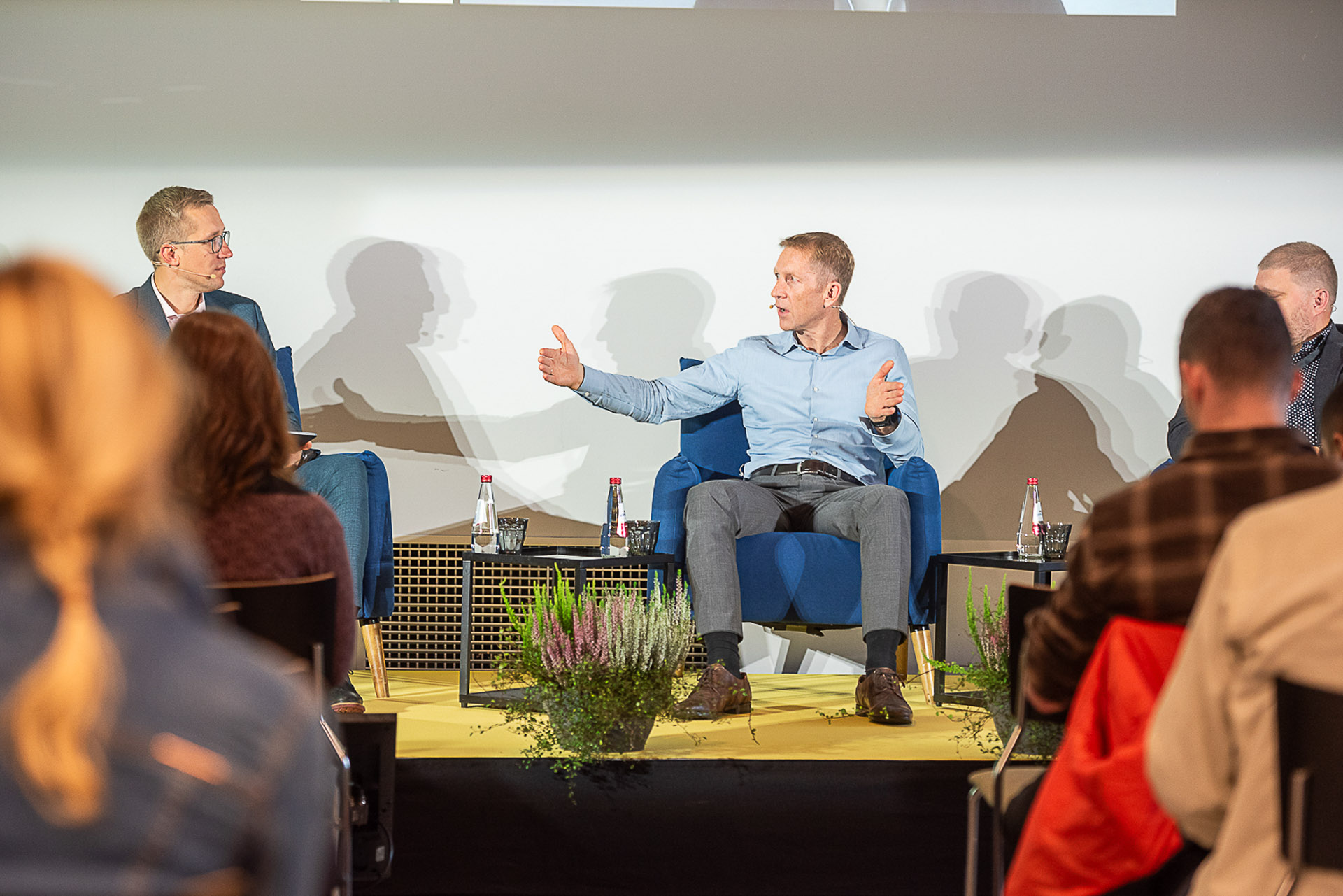
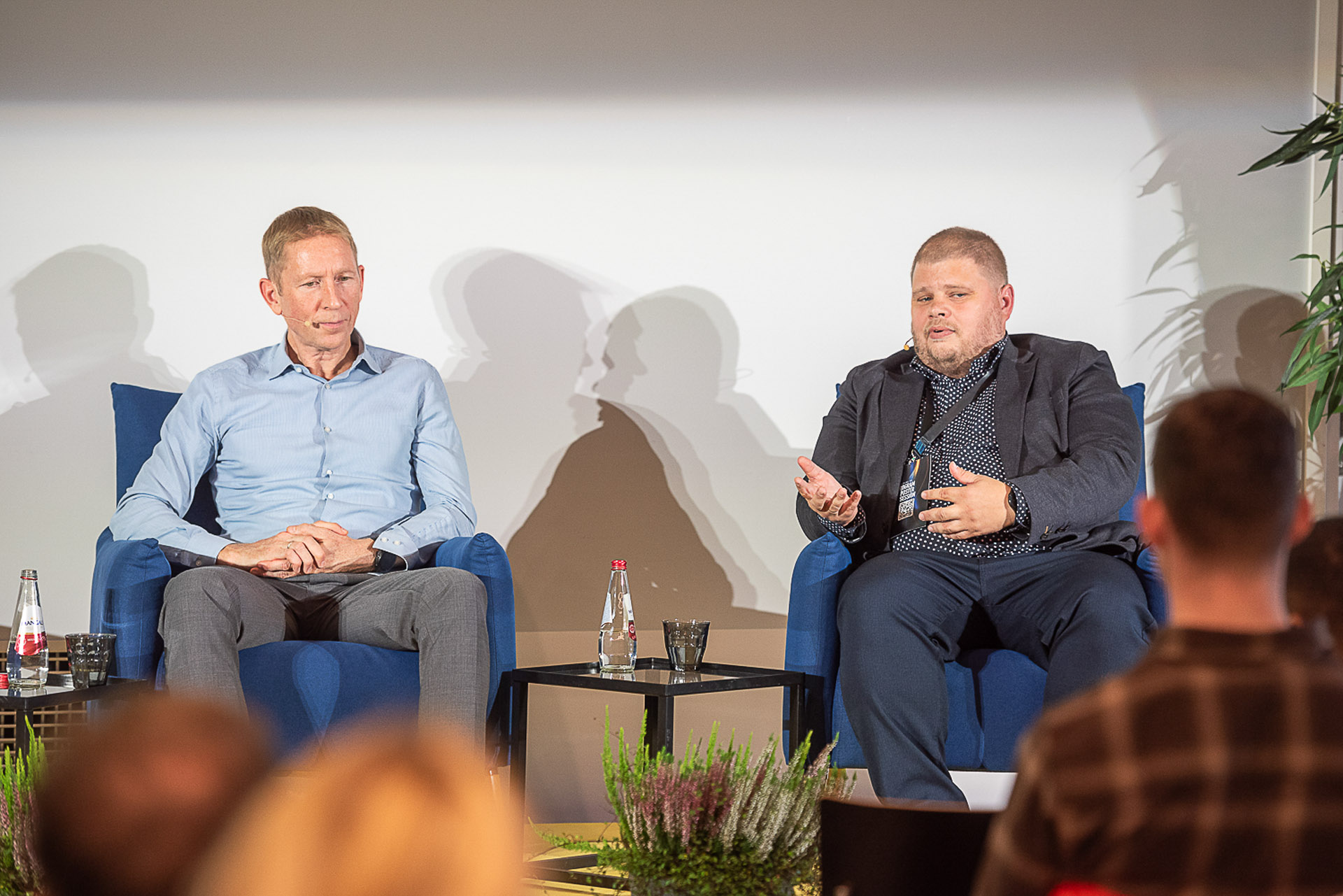
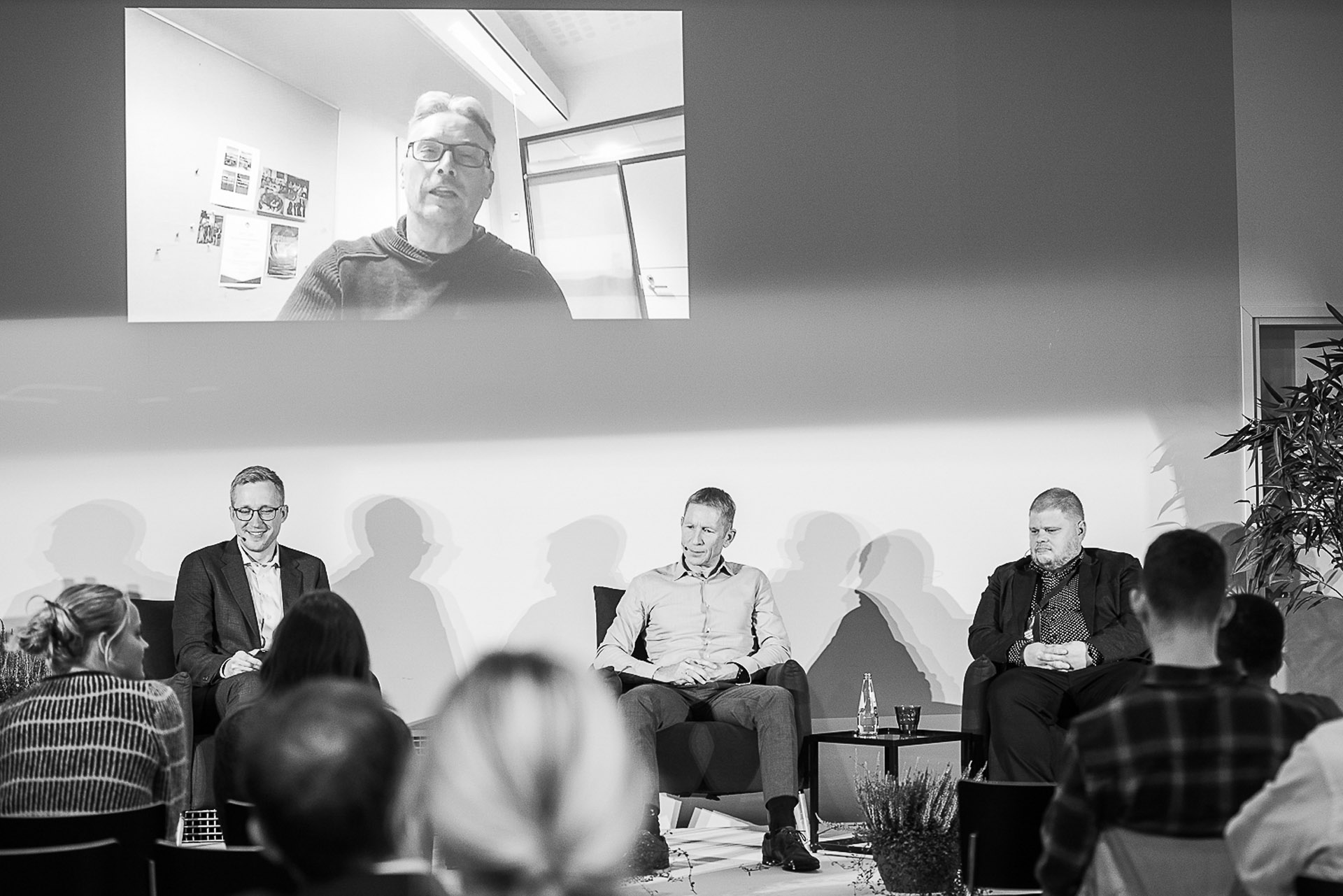
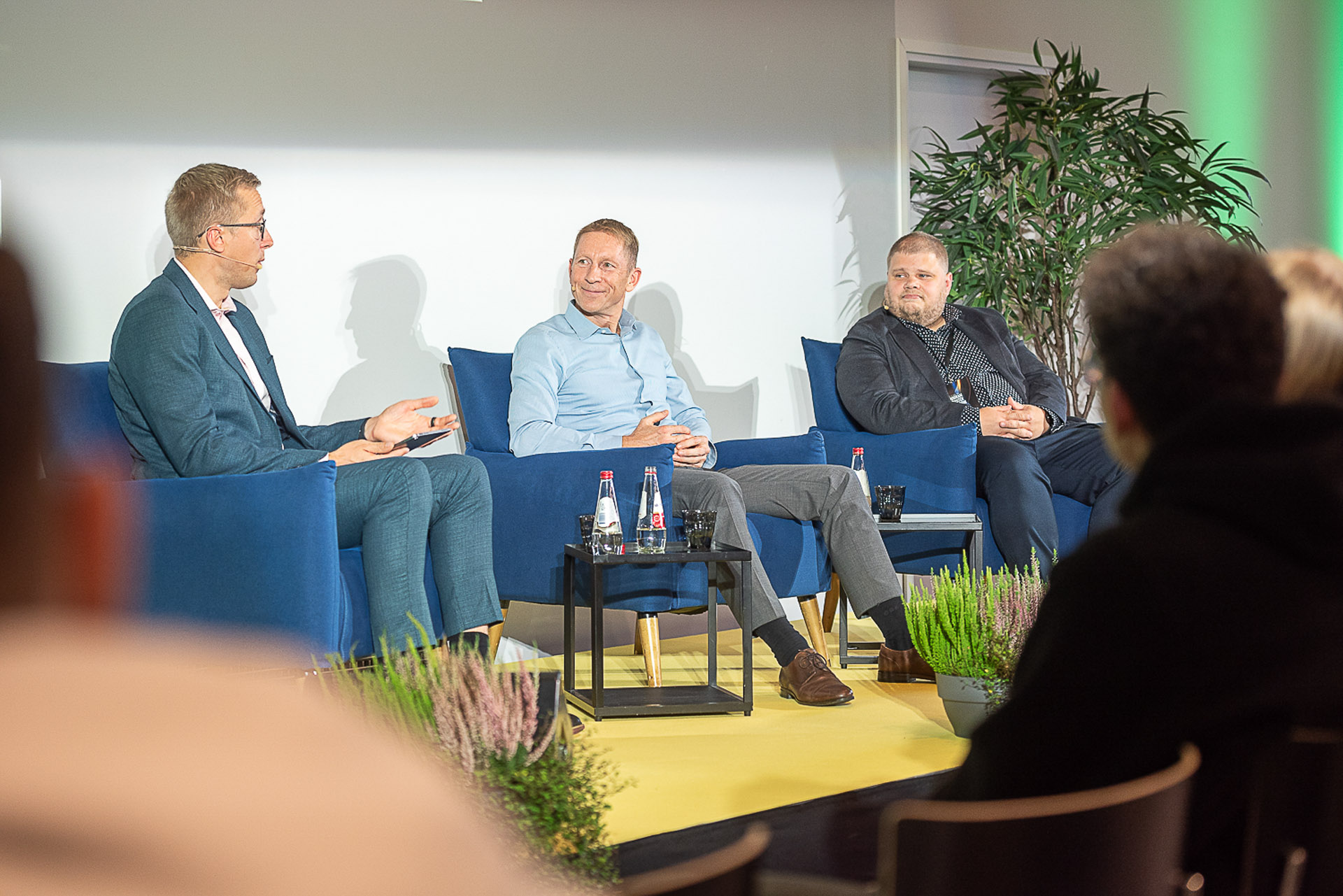
PANEL DISCUSSION“Between the technology and mankind: perspectives of education, industry, society”
|
| 16.00 | Closing of the Conference |
SPEAKERS

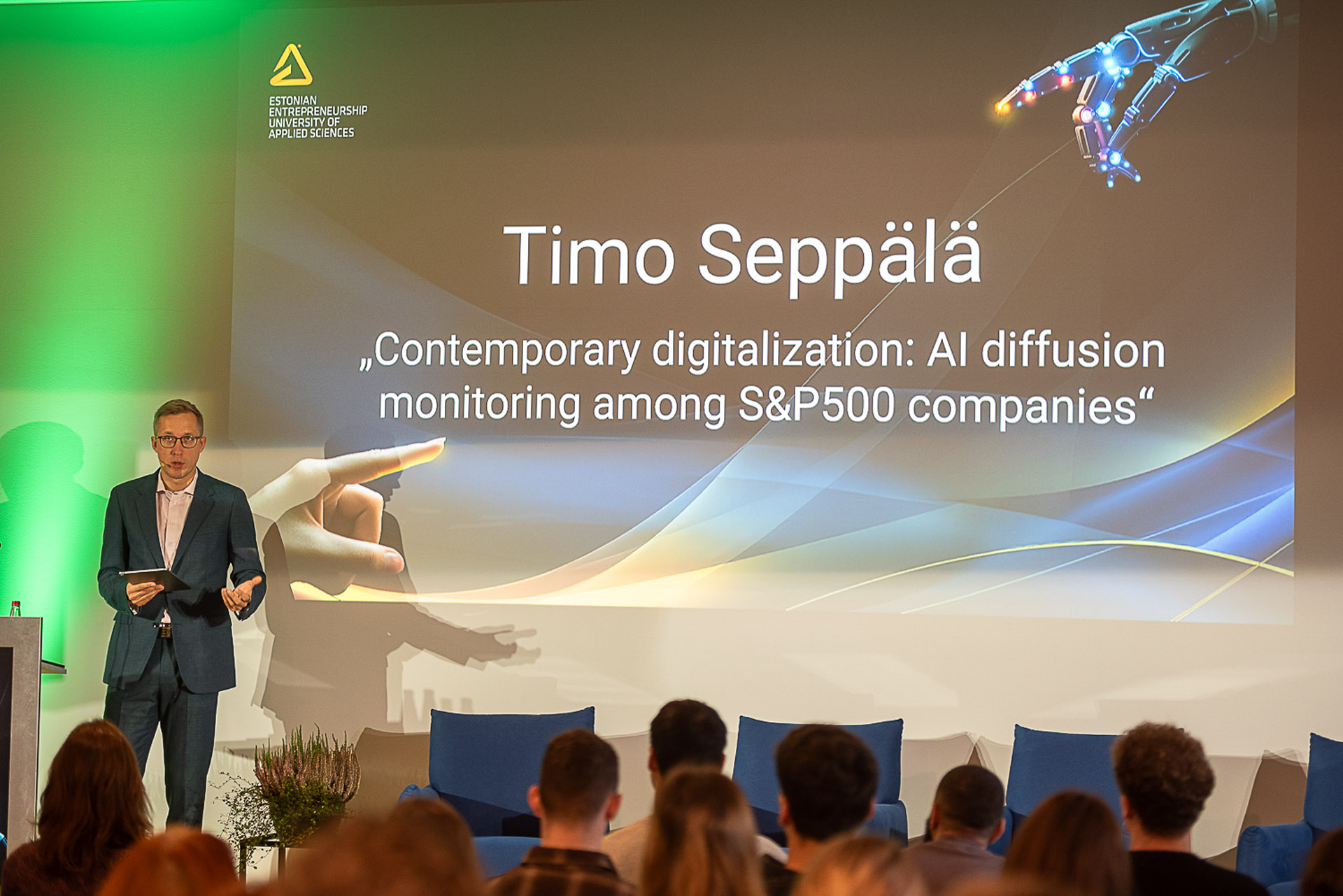
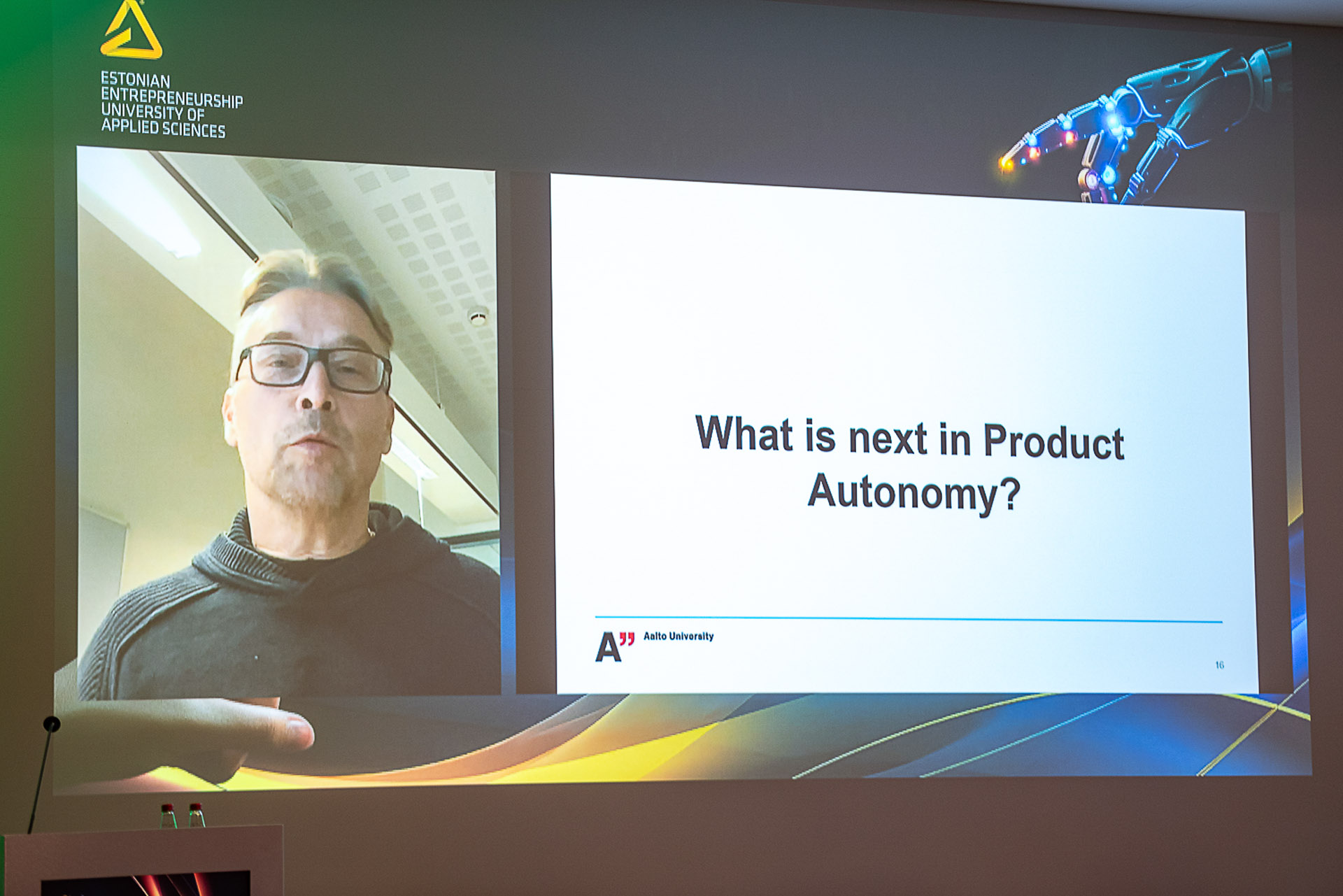
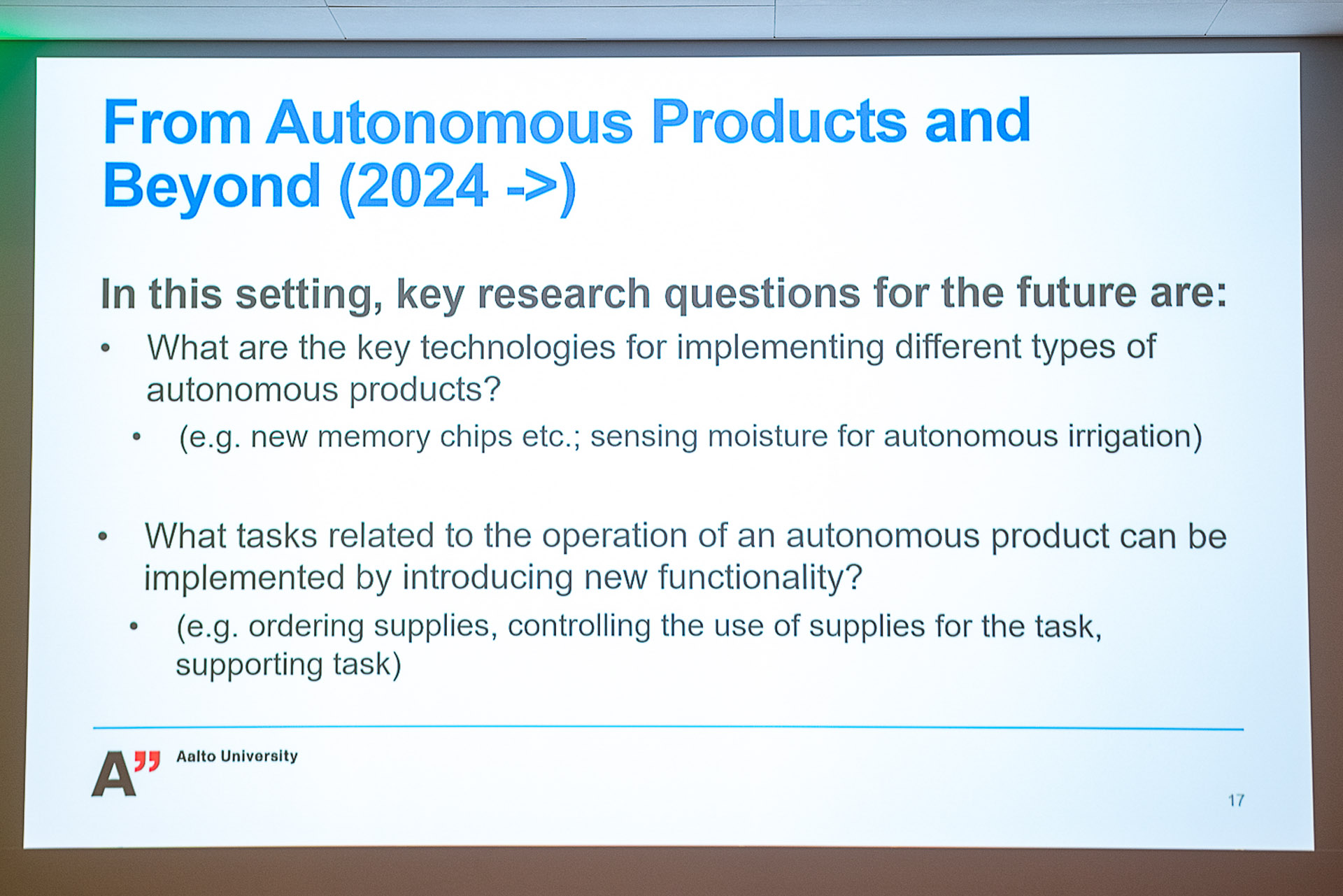
TIMO SEPPÄLÄ
University Lecturer (Operations Management) of Aalto University
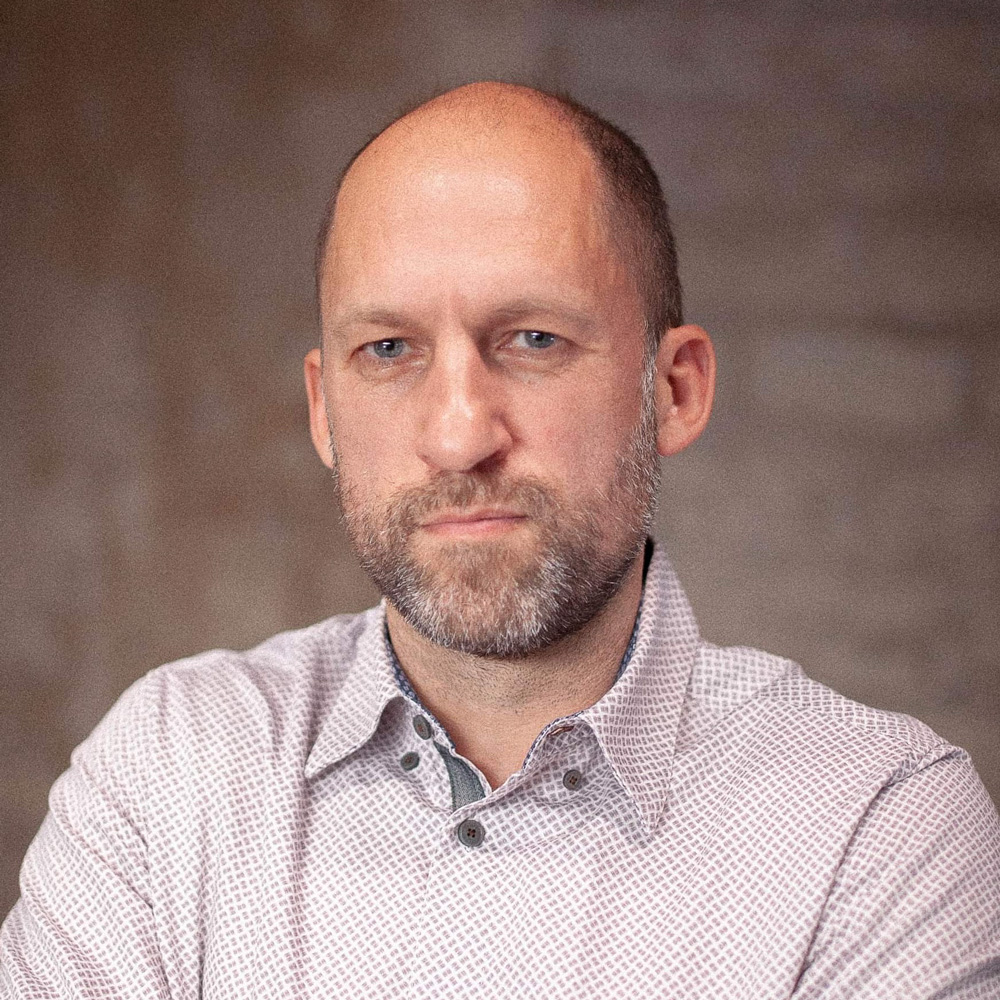
EDUARD MARON
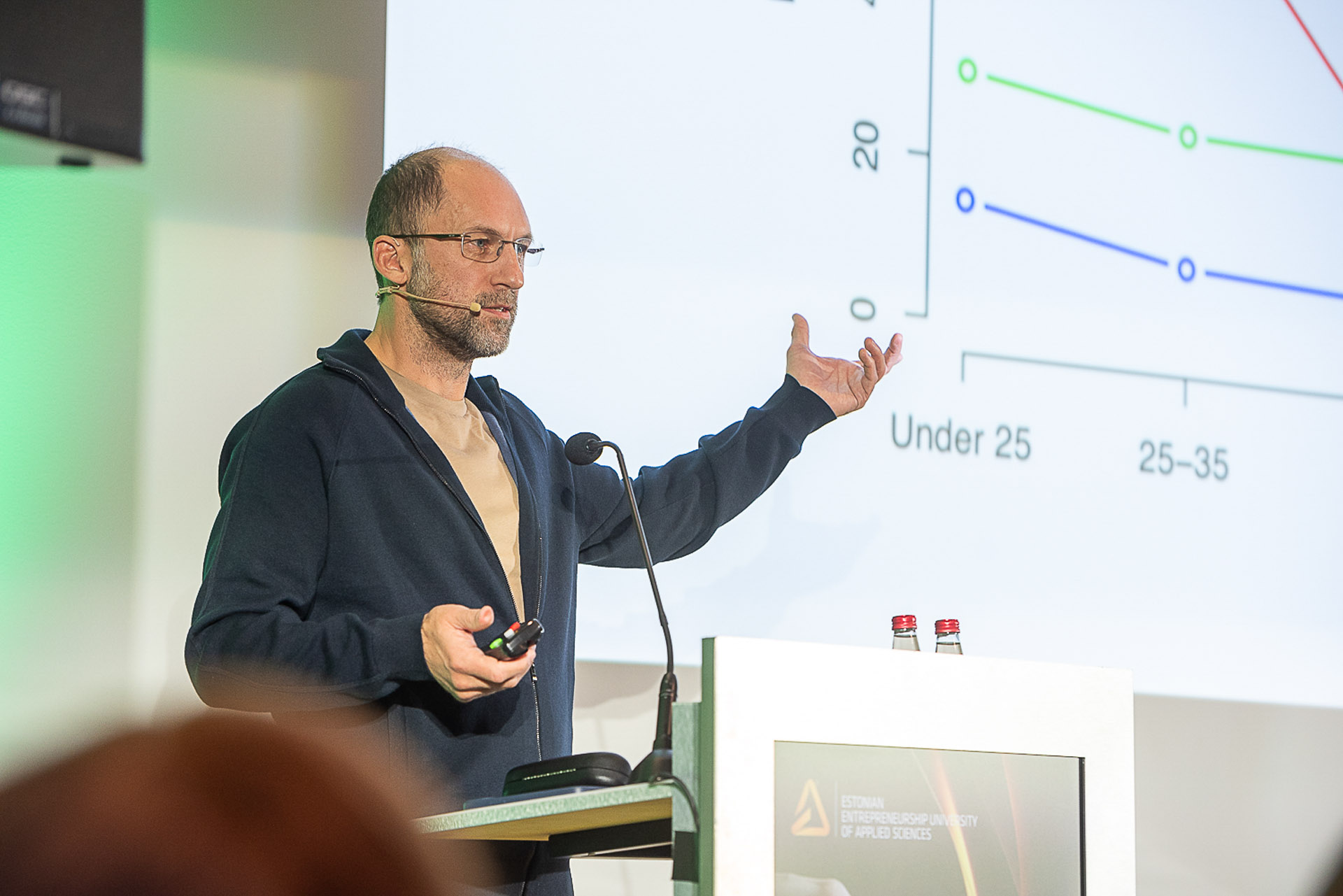
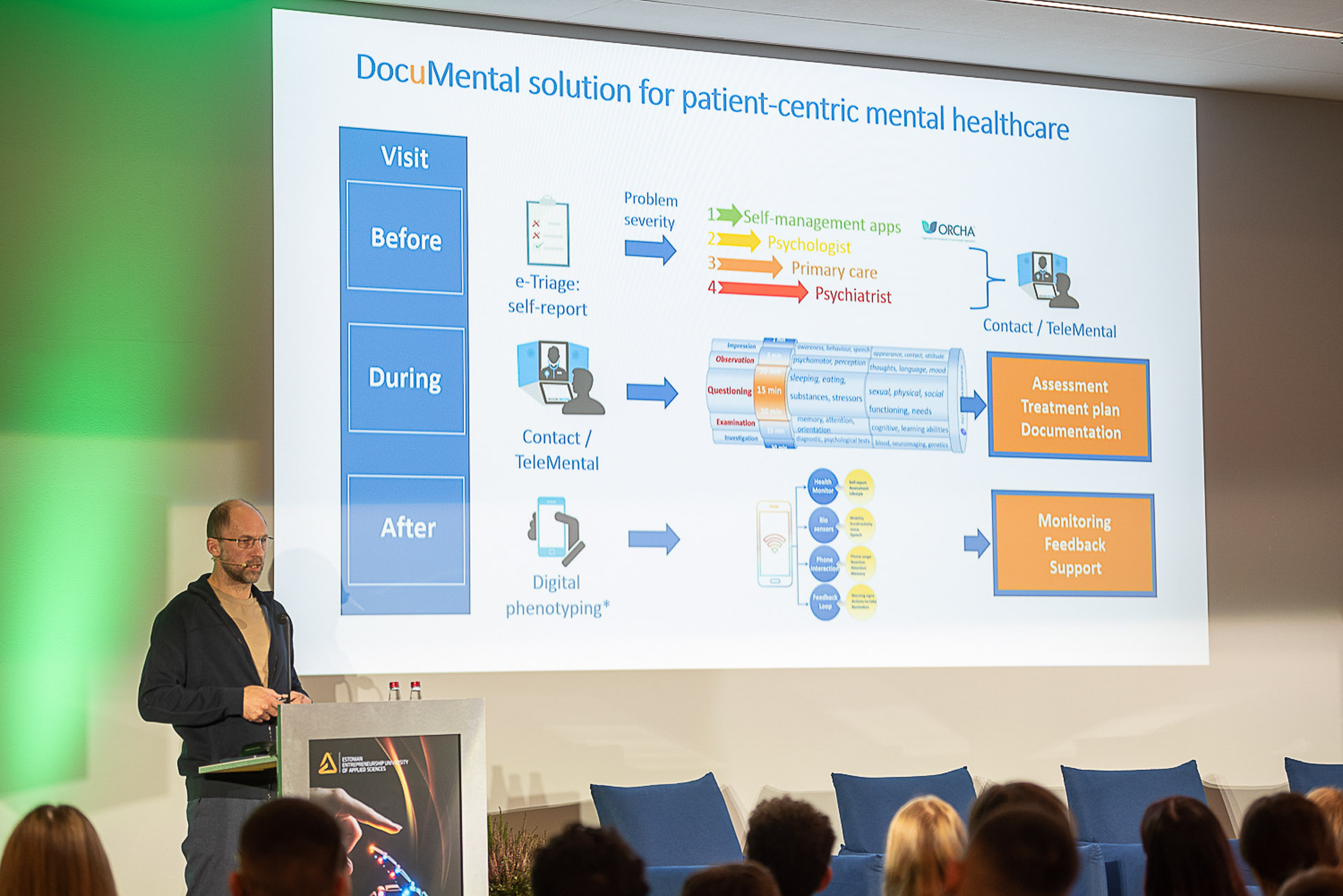
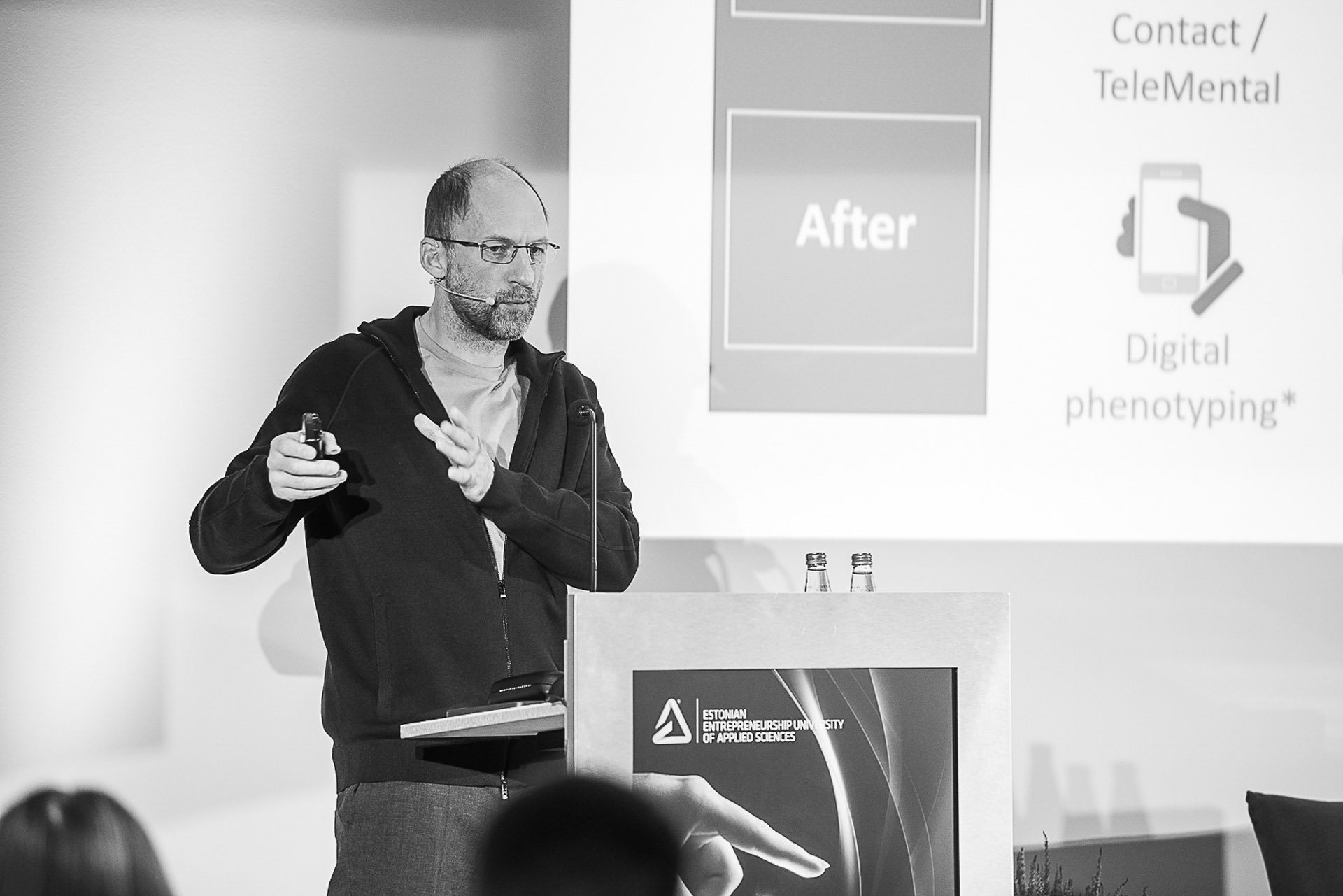
Founder of DocuMental and DocuMental Clinic, visiting professor at Faculty of Medicine, Imperial College London, UK
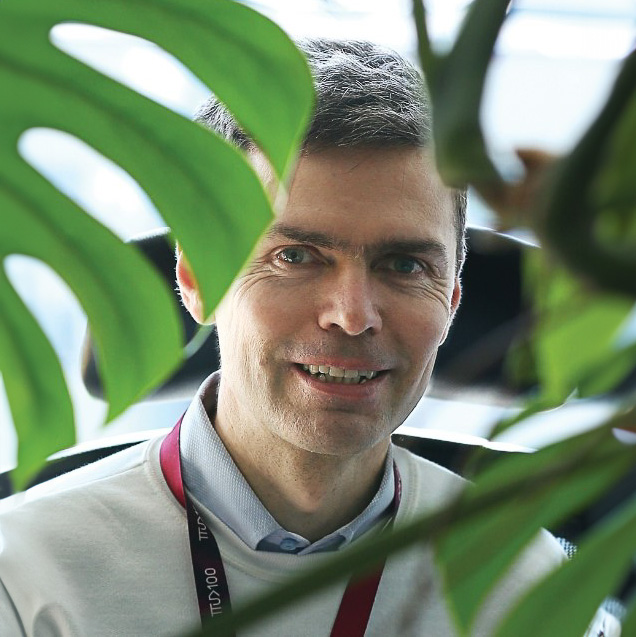
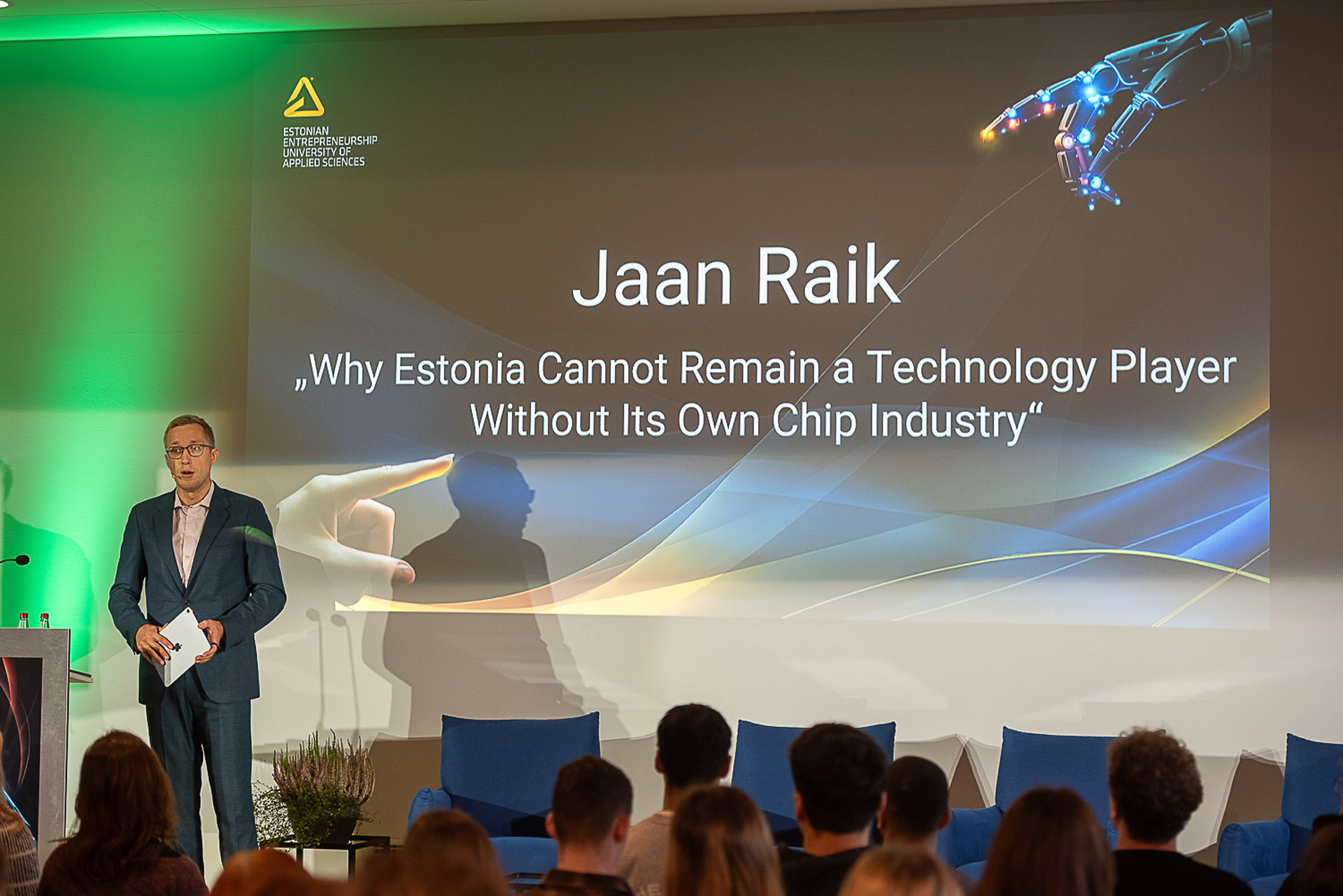
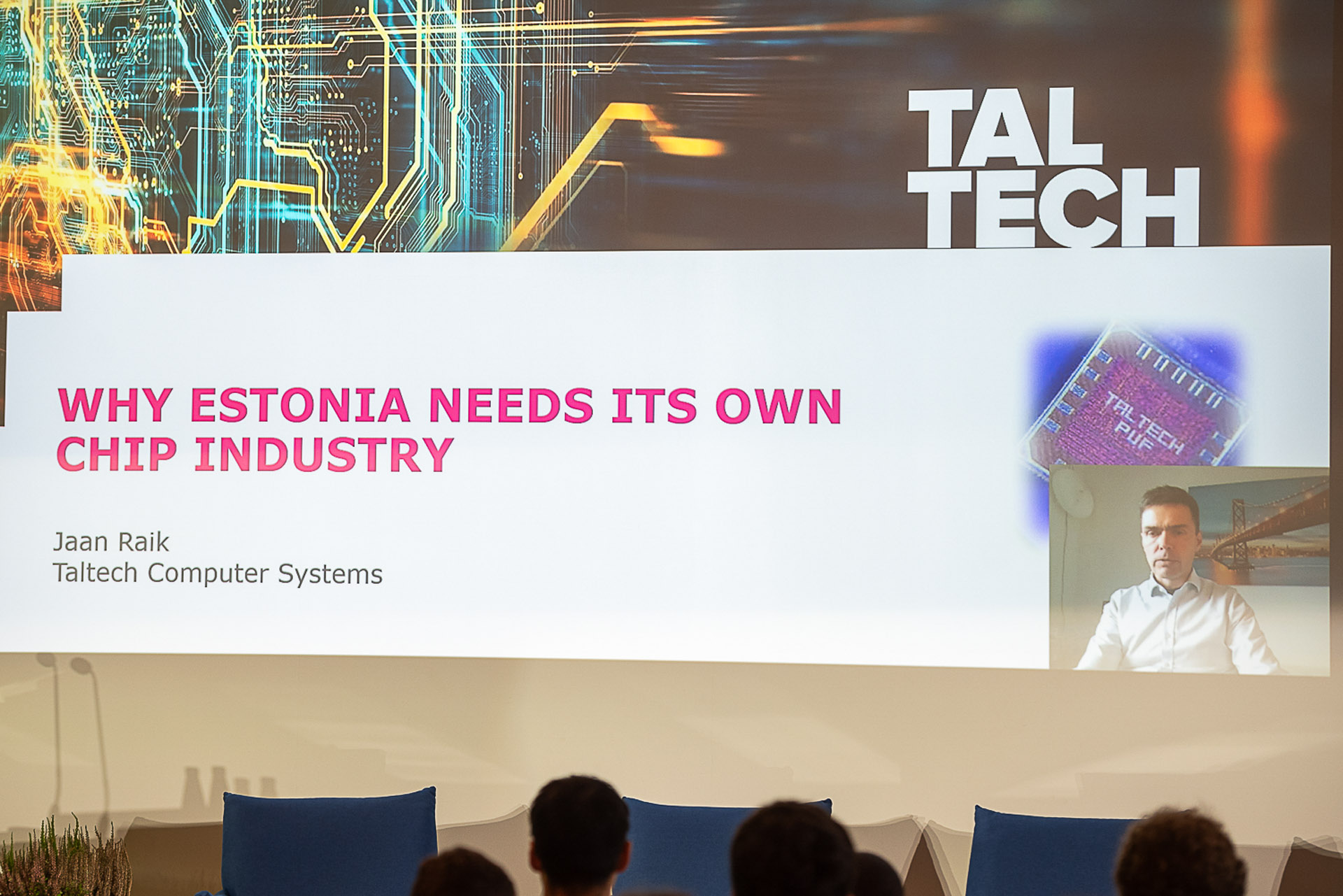
JAAN RAIK
Tenured Full Professor at the Department of Computer Systems and the Head of the Center for Dependable Computing Systems at the Tallinn University of Technology (Taltech)
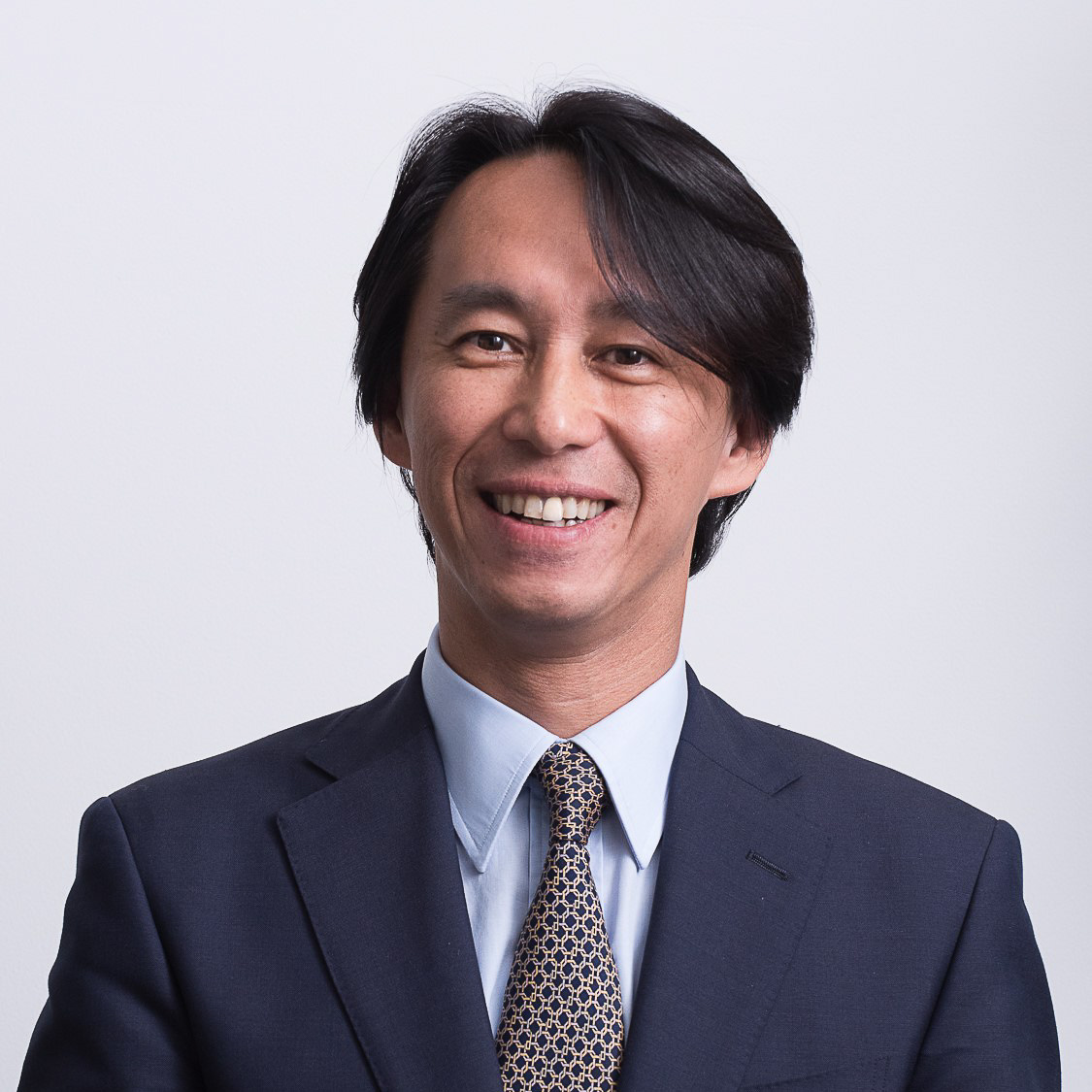
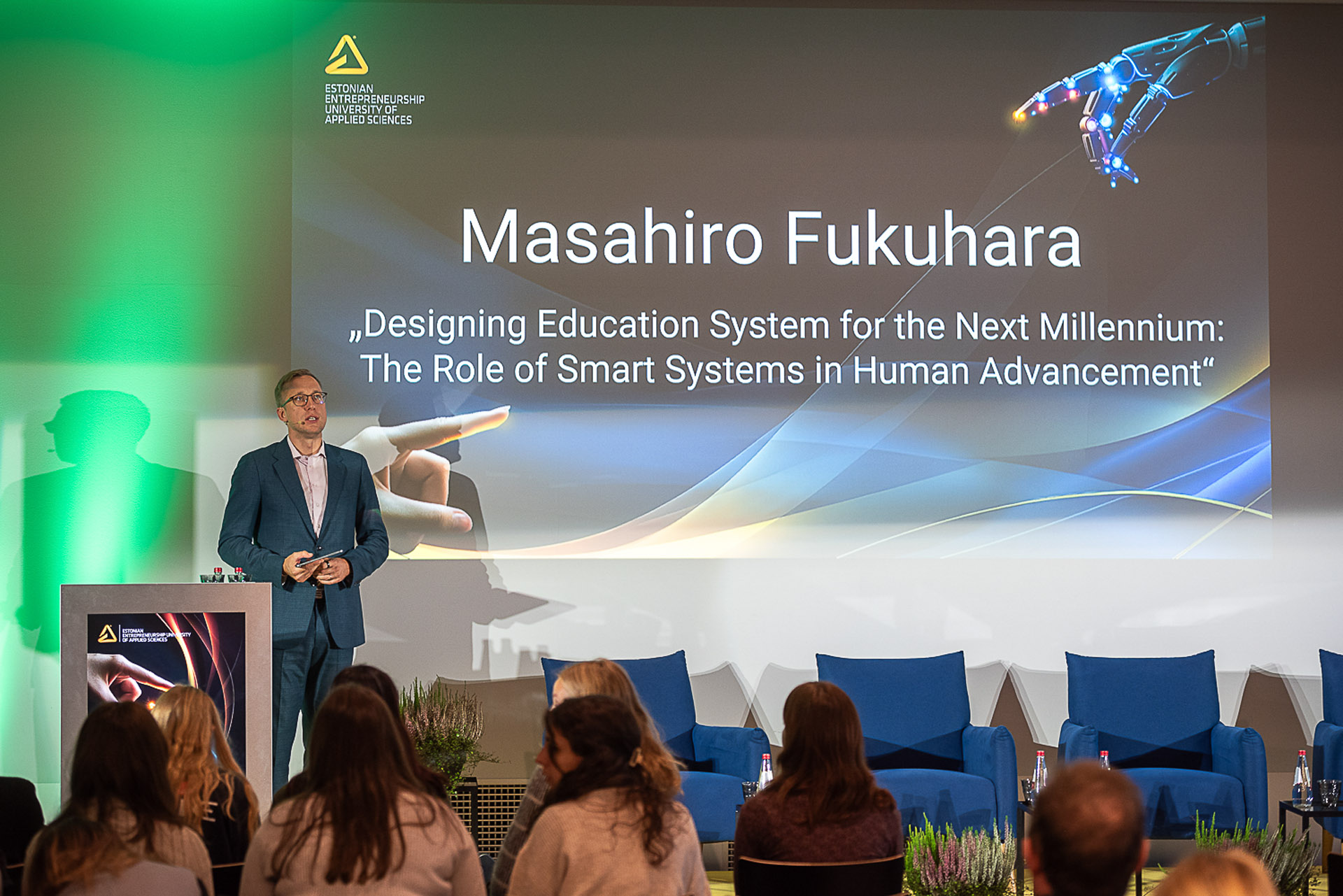
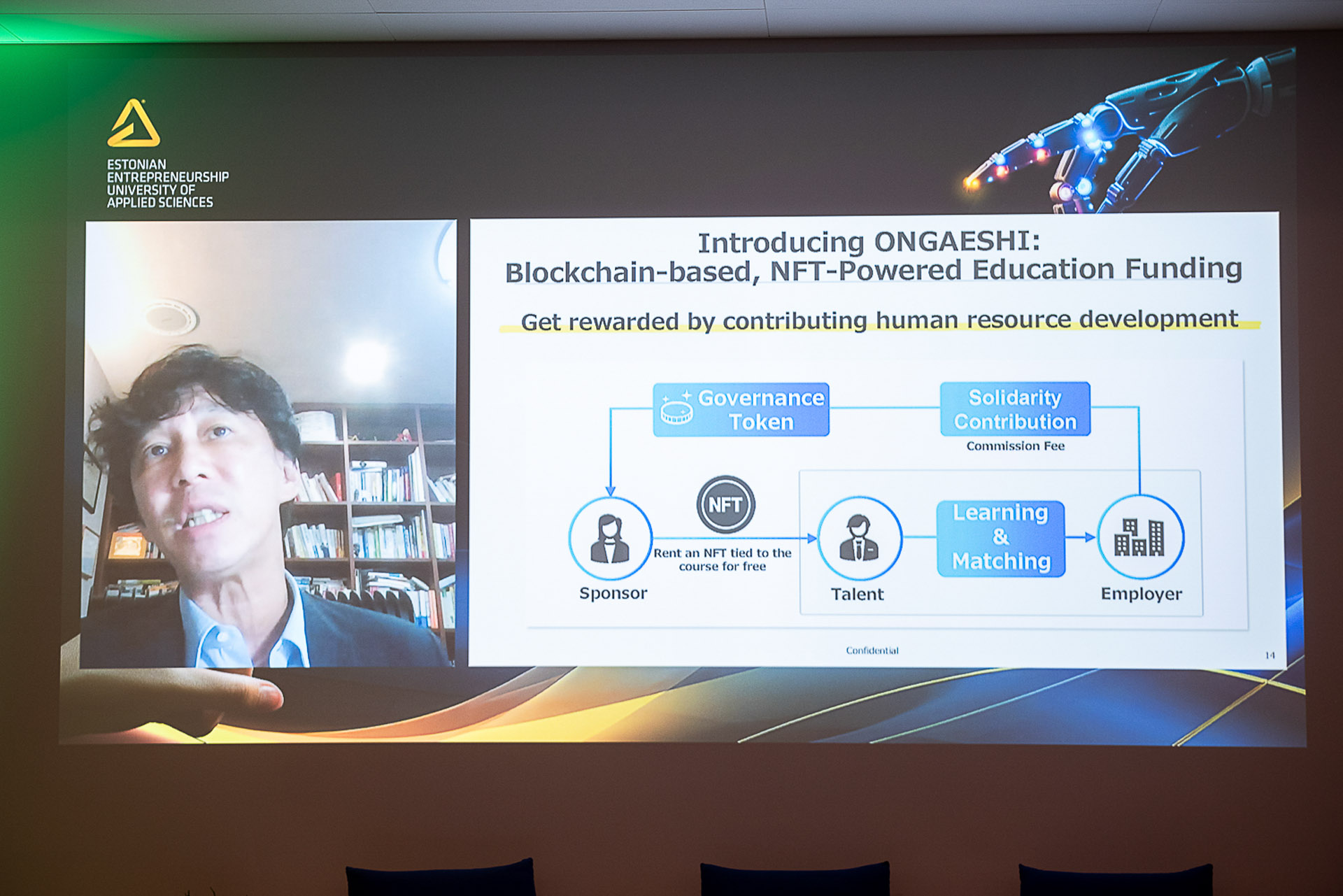
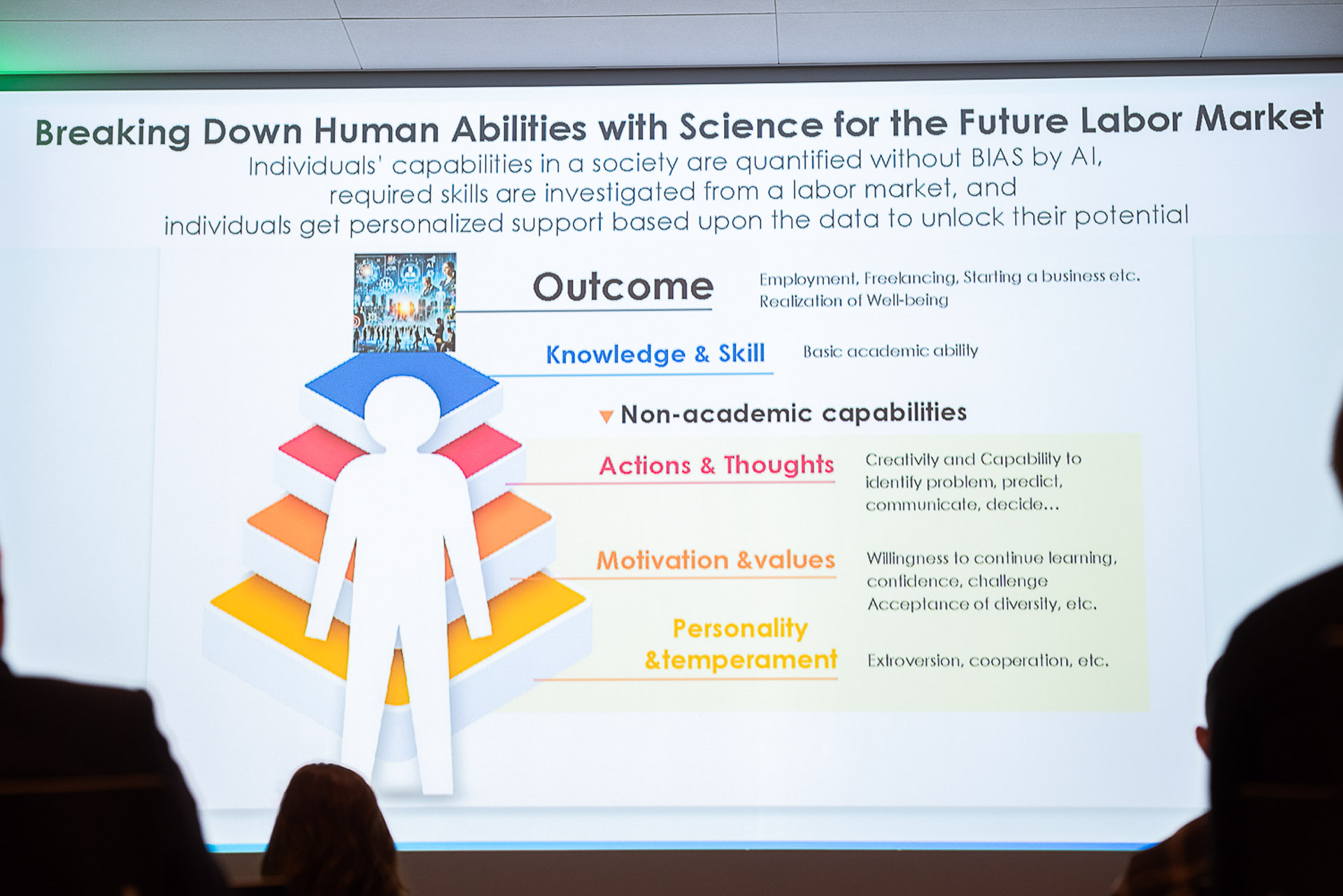
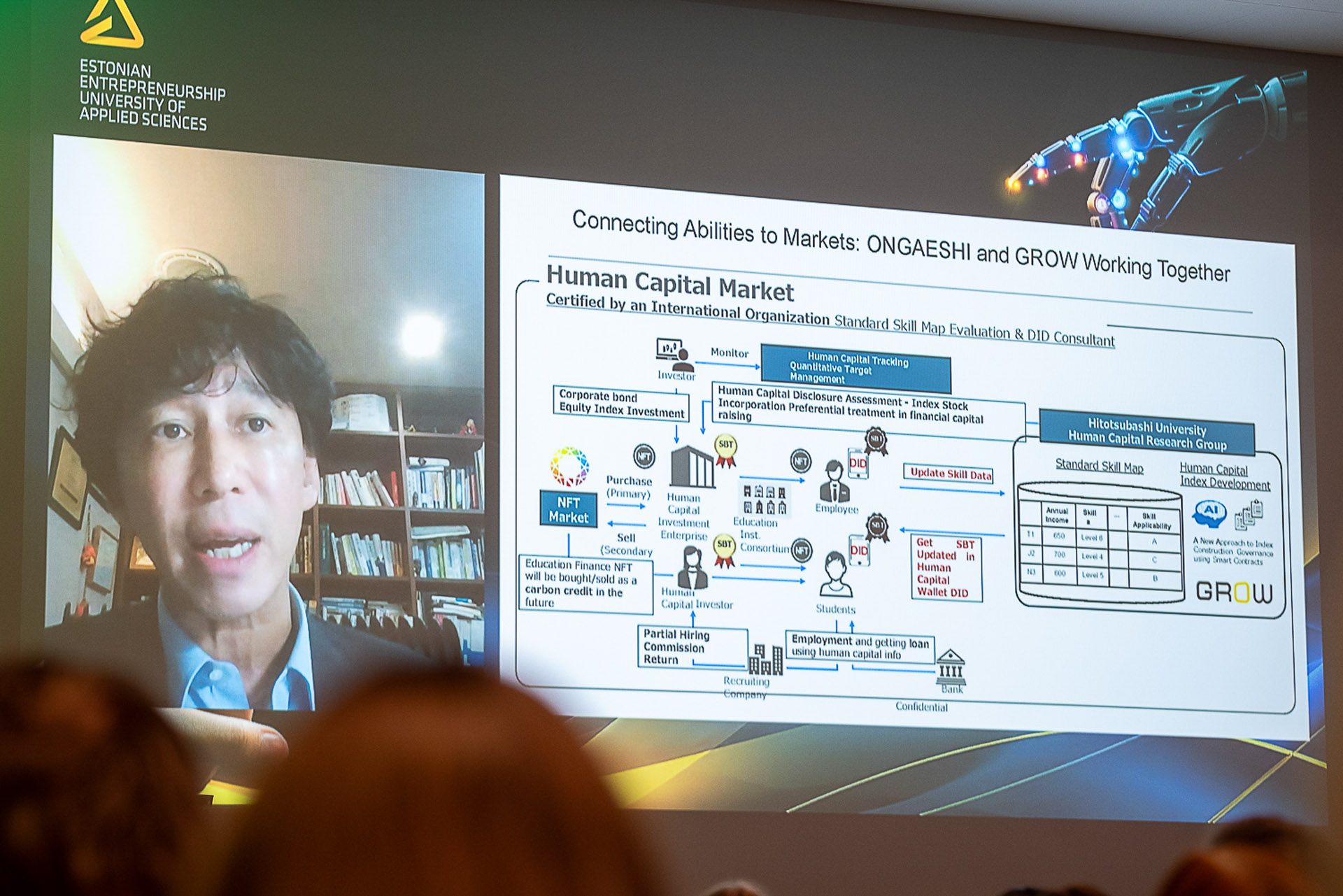
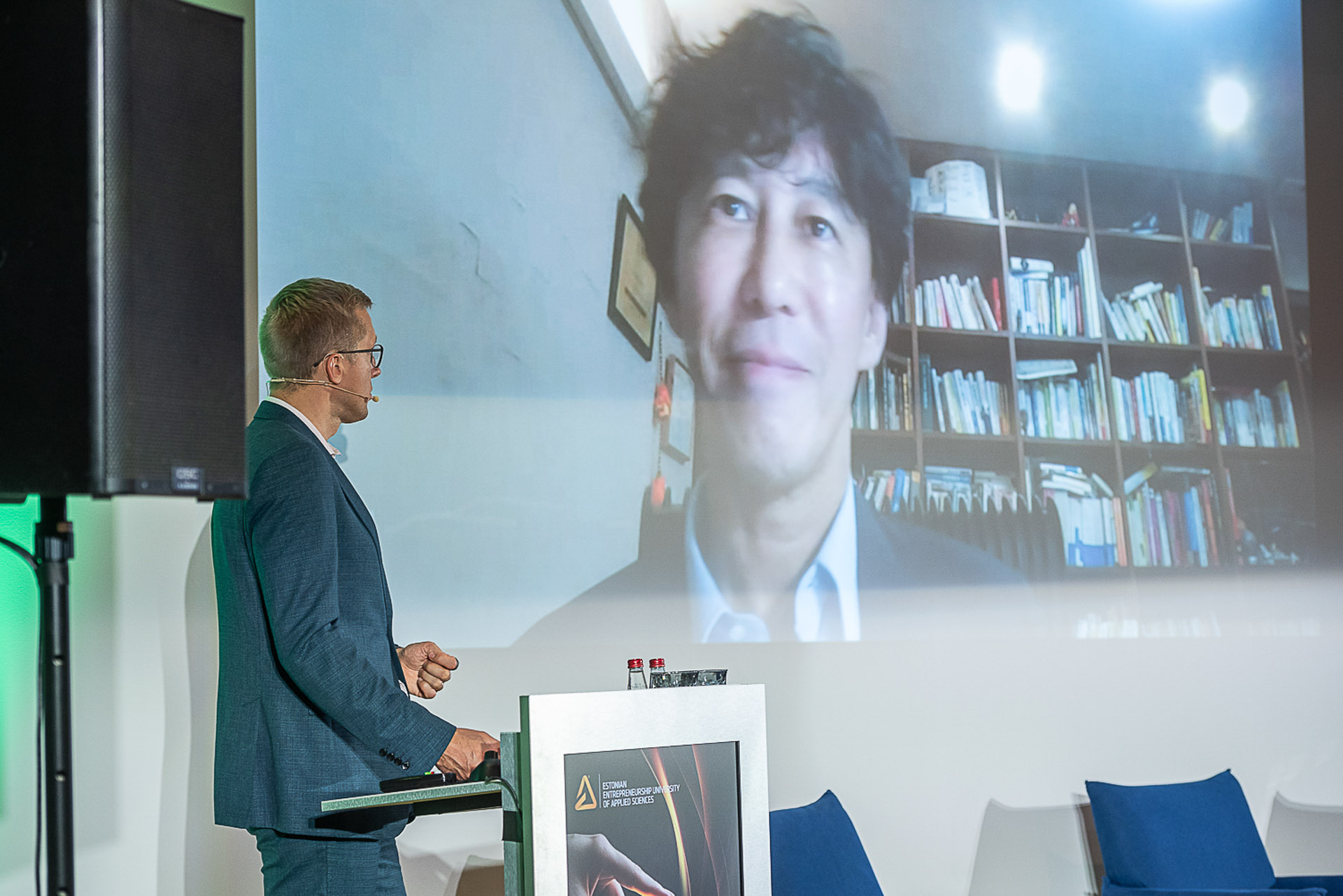
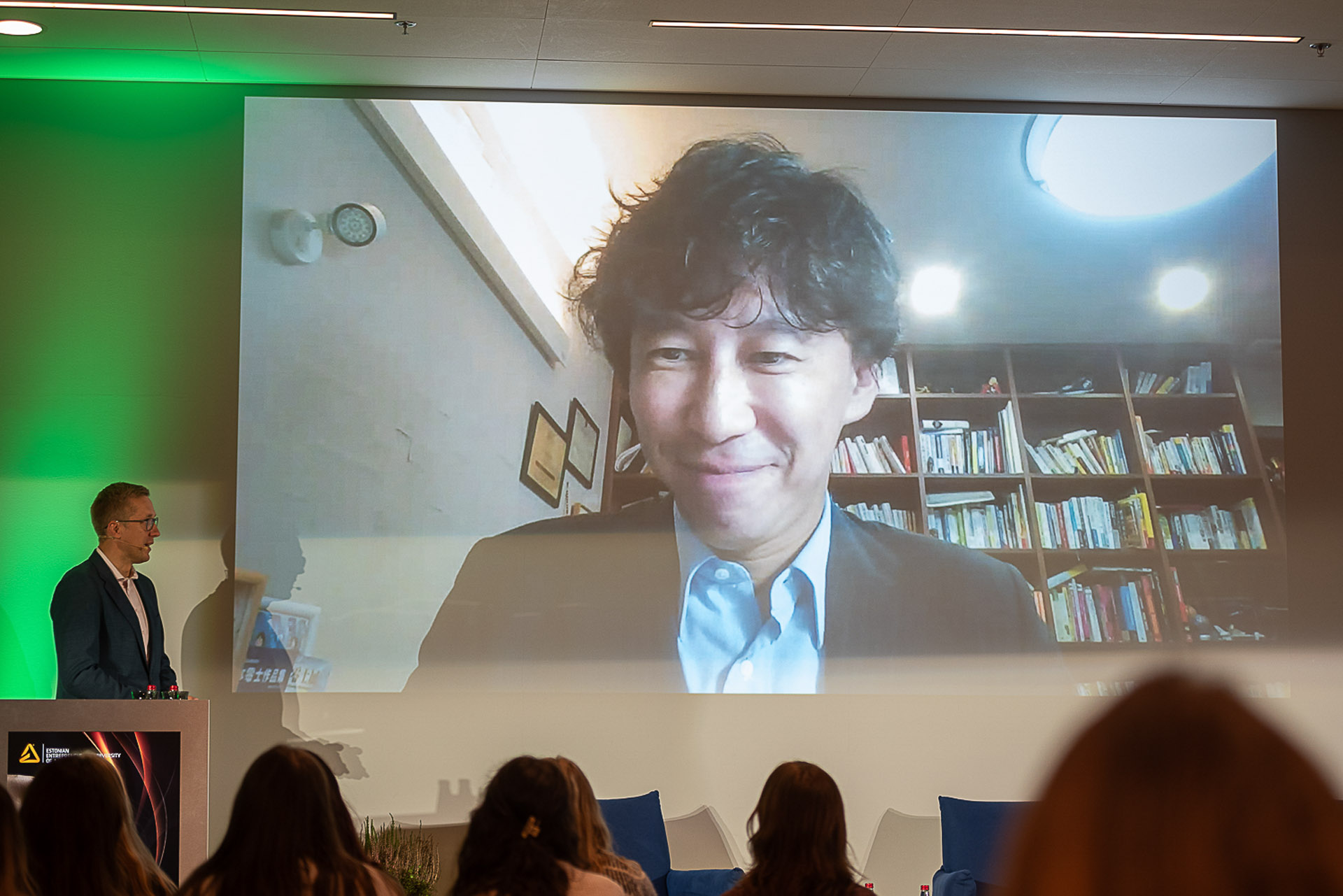
MASAHIRO FUKUHARA
CEO and Founder of IGS, professor of Keio University and Hitotsubashi University
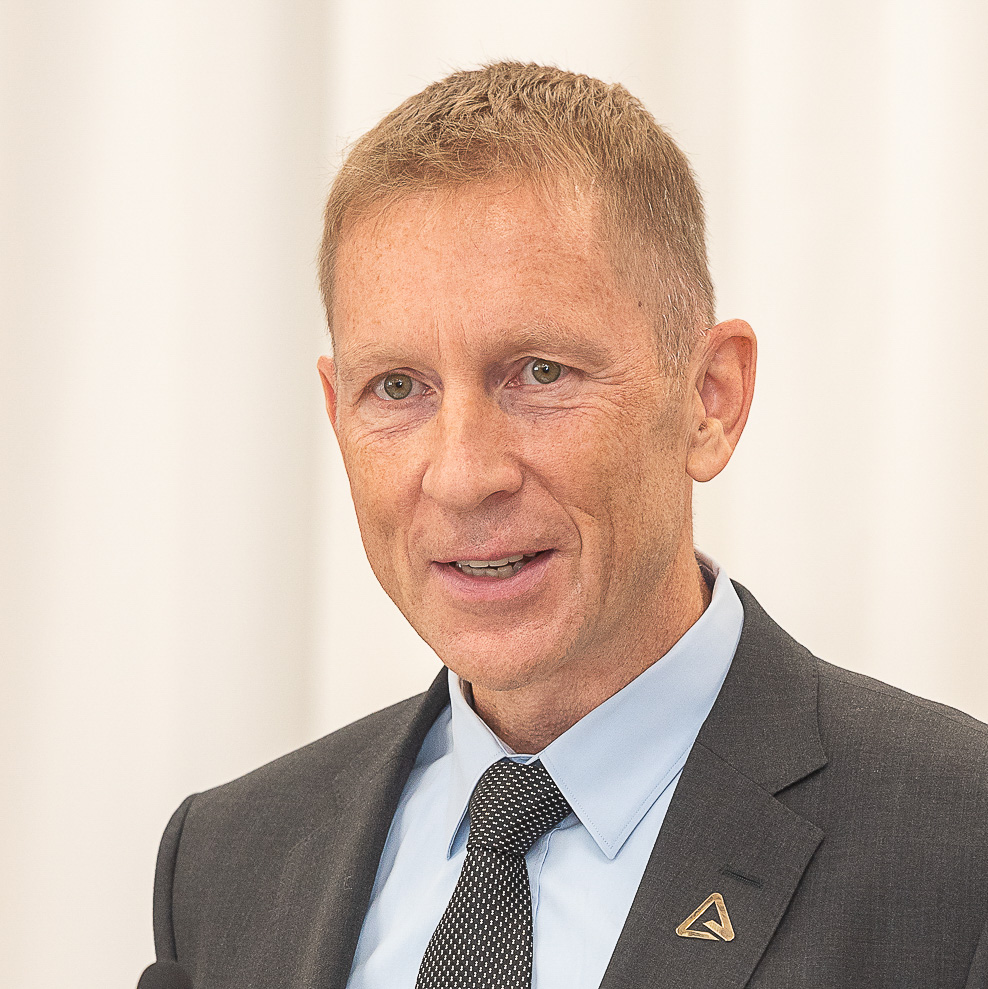
ANDRUS PEDAI
Rector of Estonian Entrepreneurship University of Applied Sciences
PRESENTERS’ ARTICLES
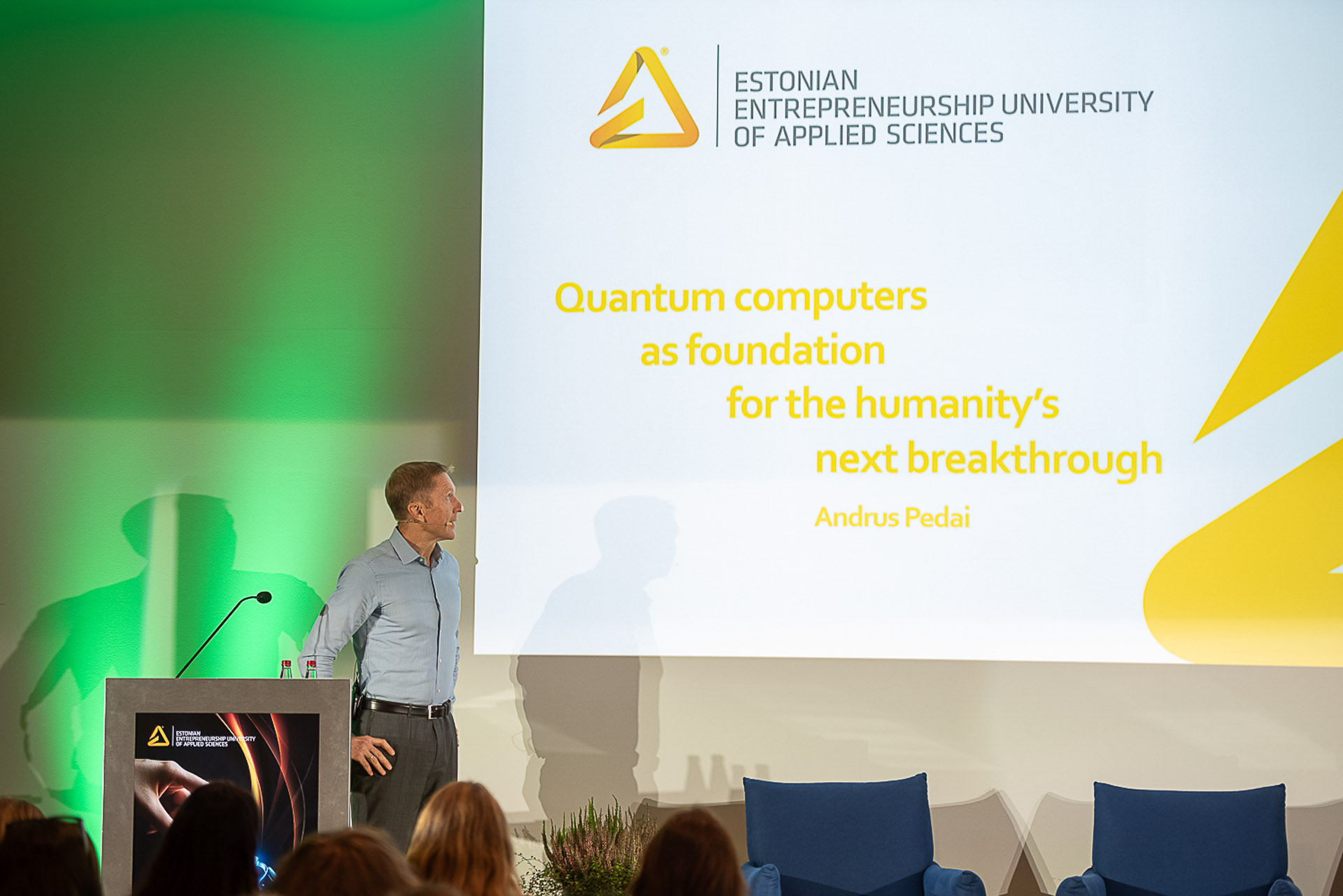
Andrus Pedai
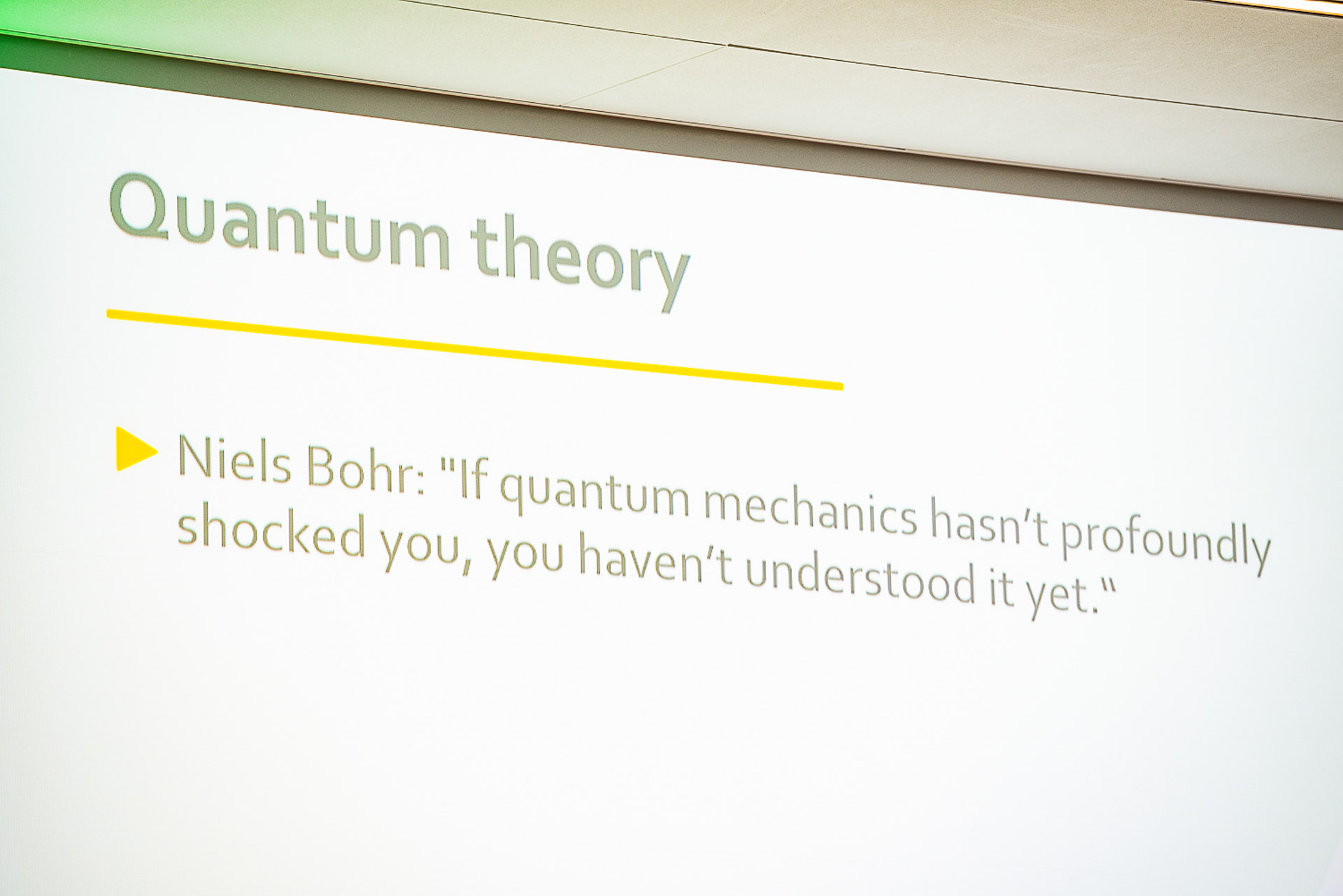
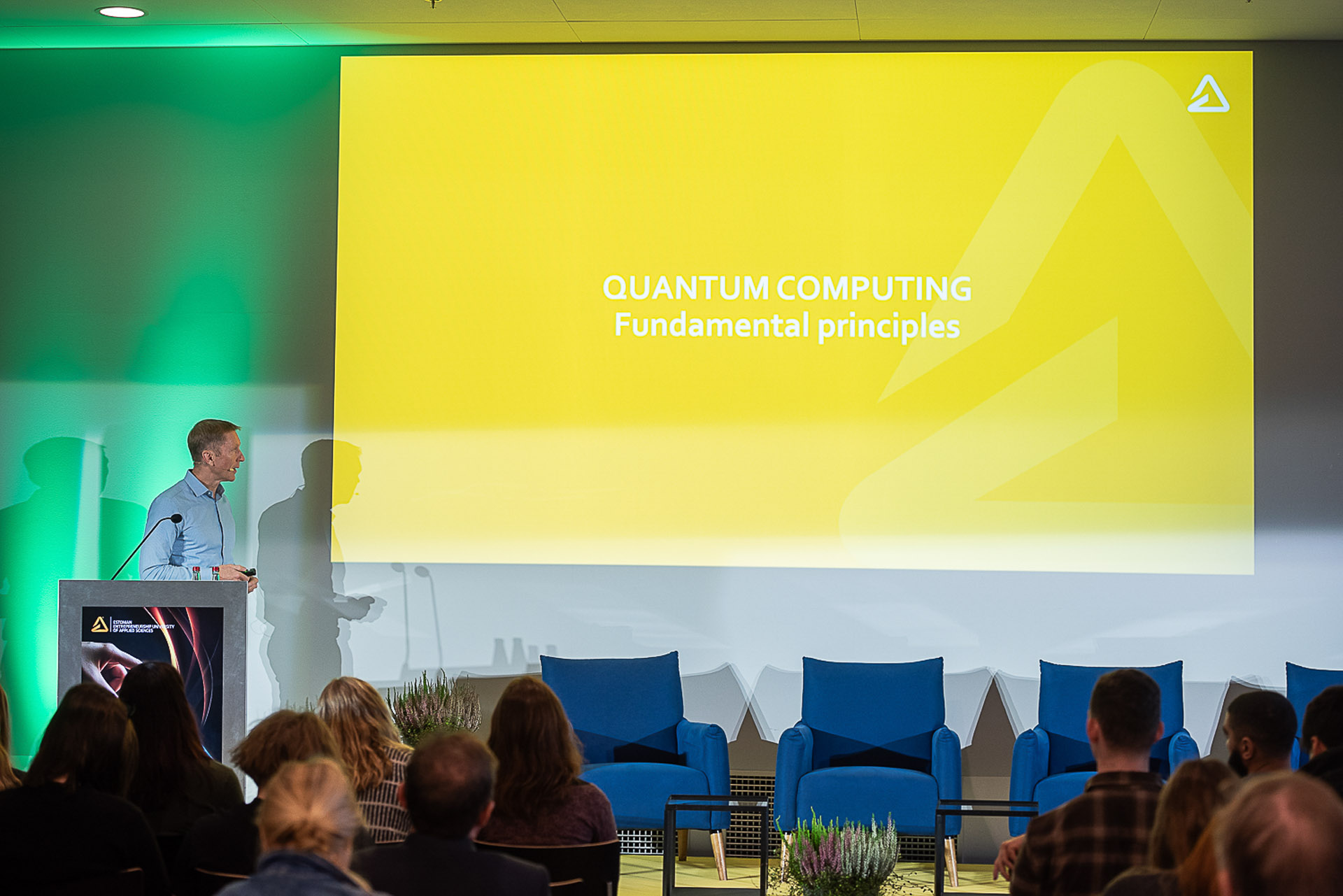
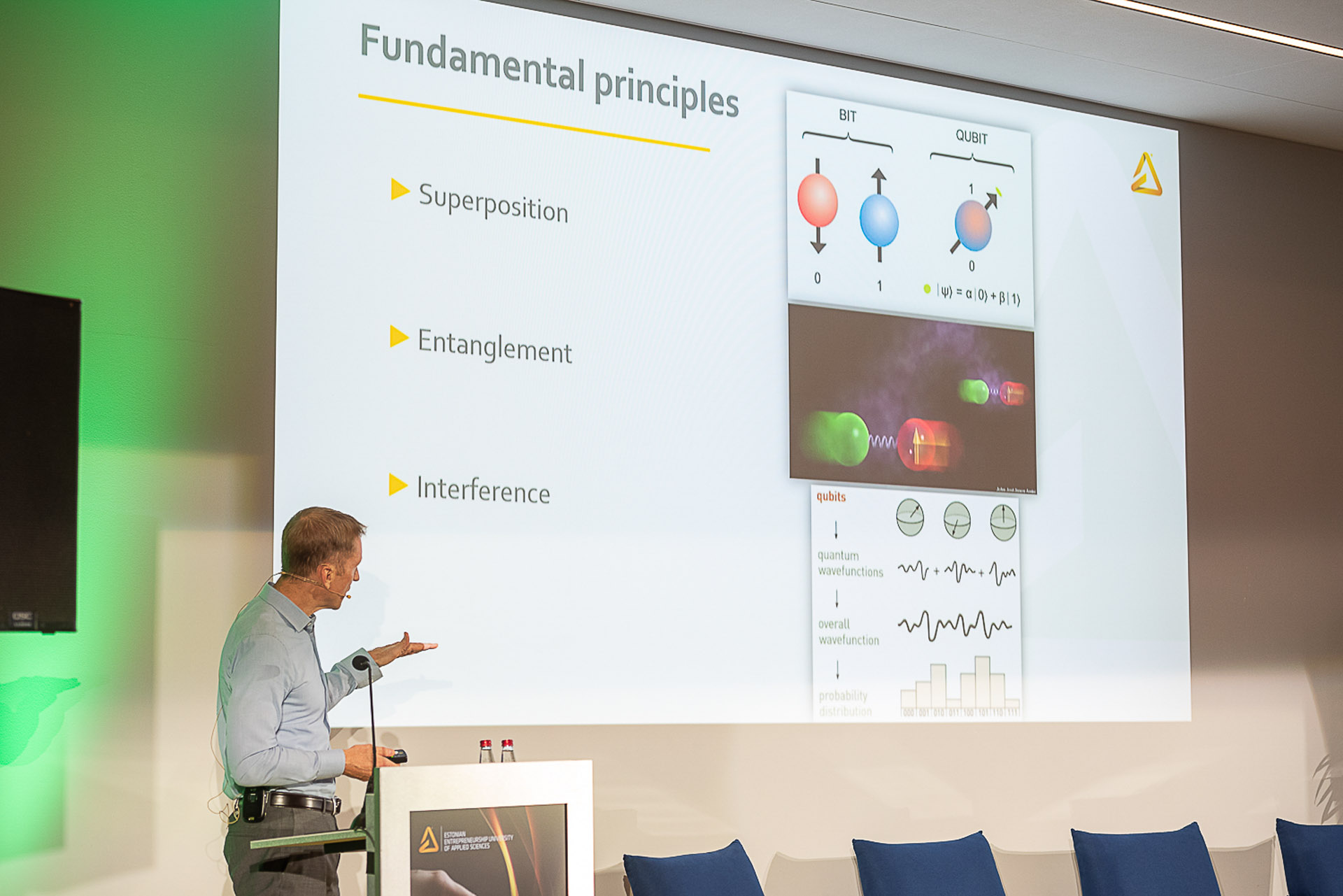
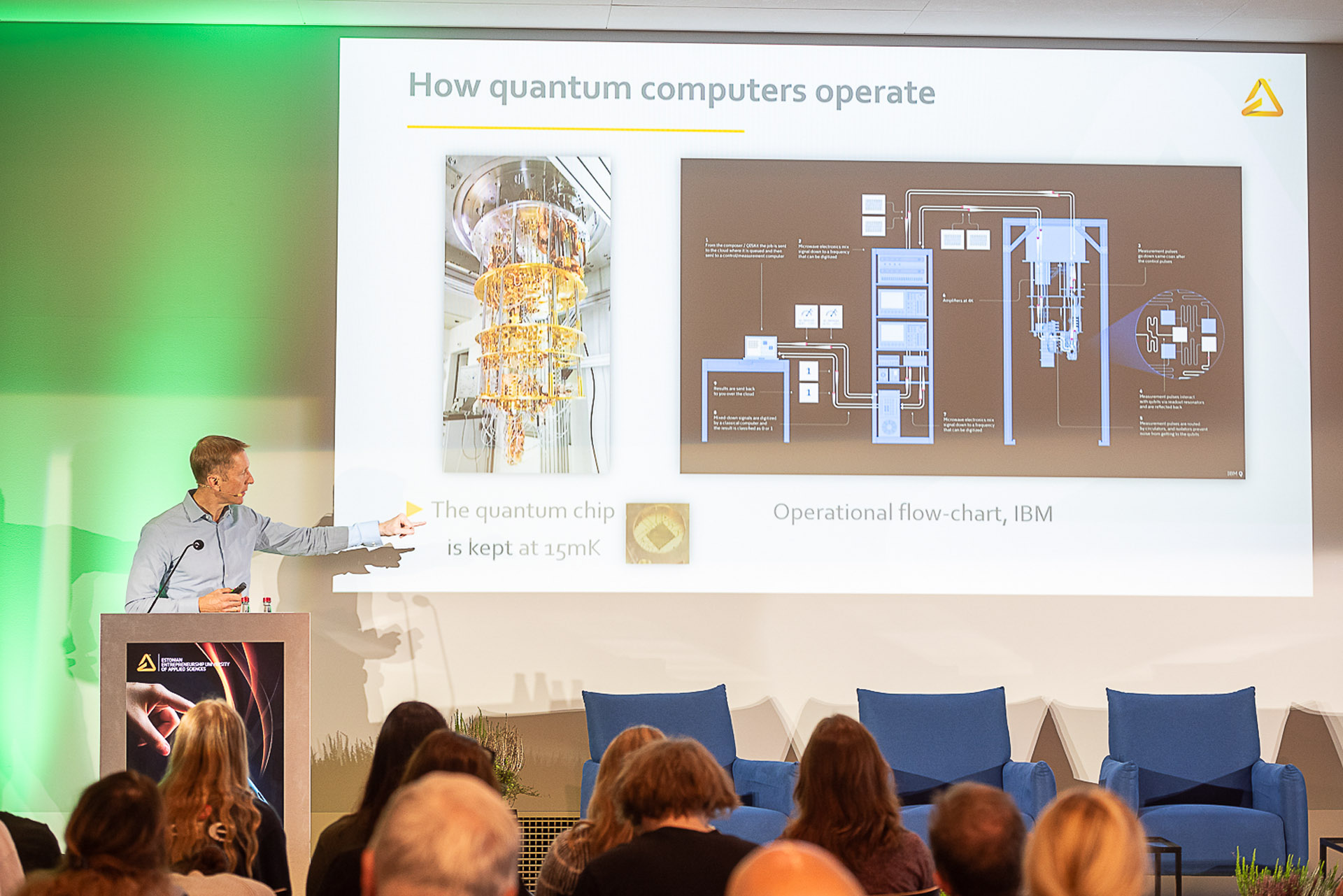
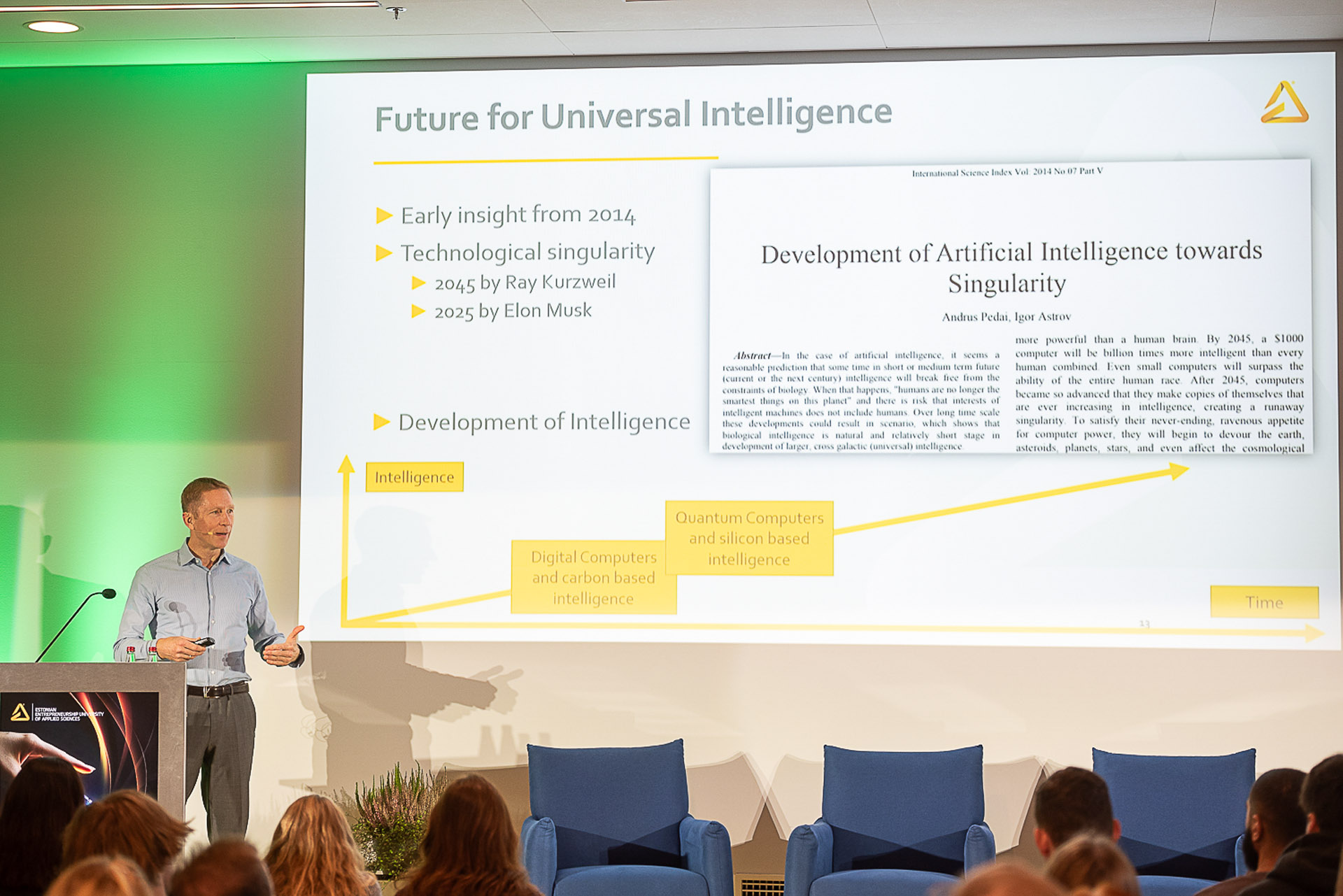
“Quantum computers as foundation for the humanity’s next breakthrough”
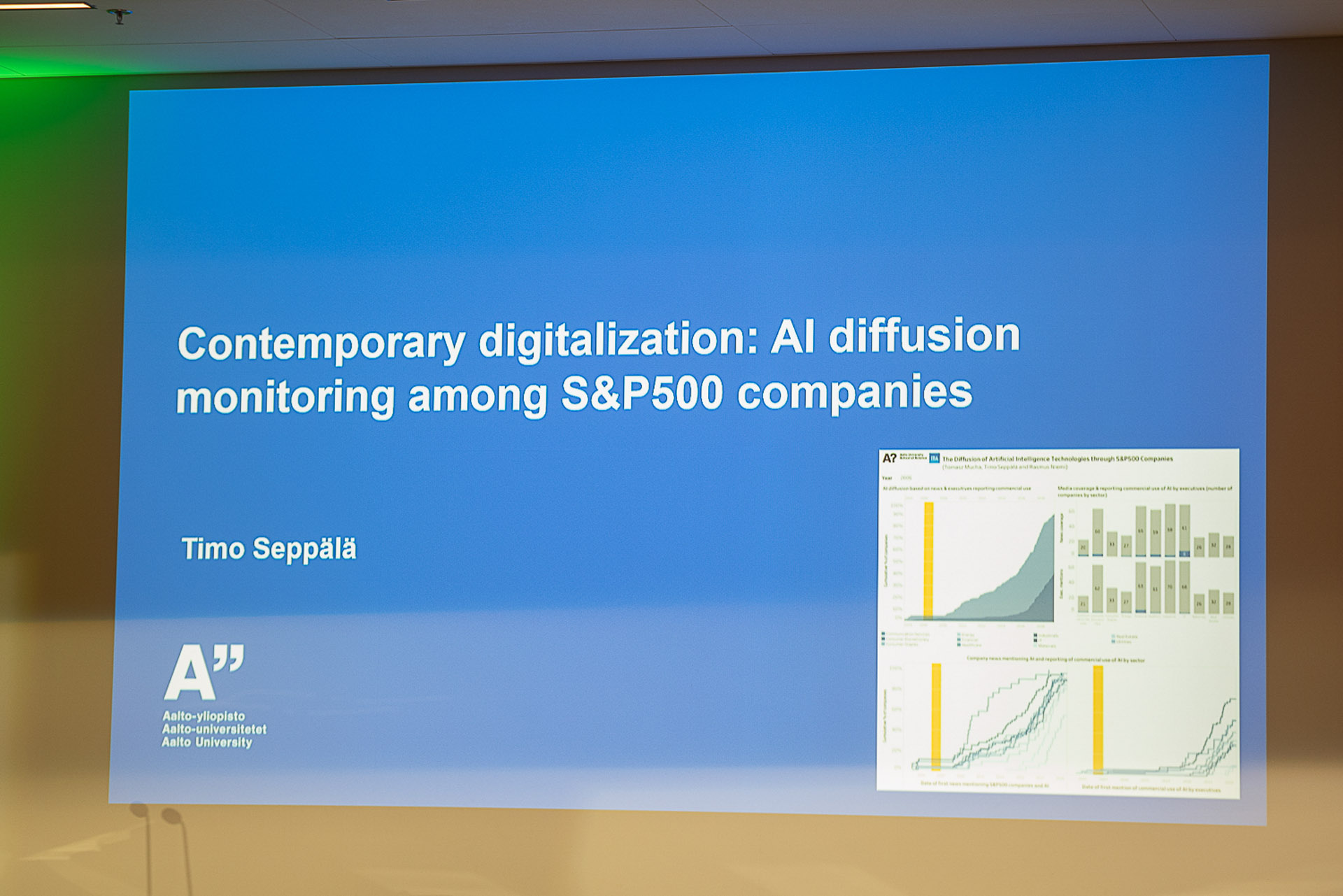
Timo Seppälä
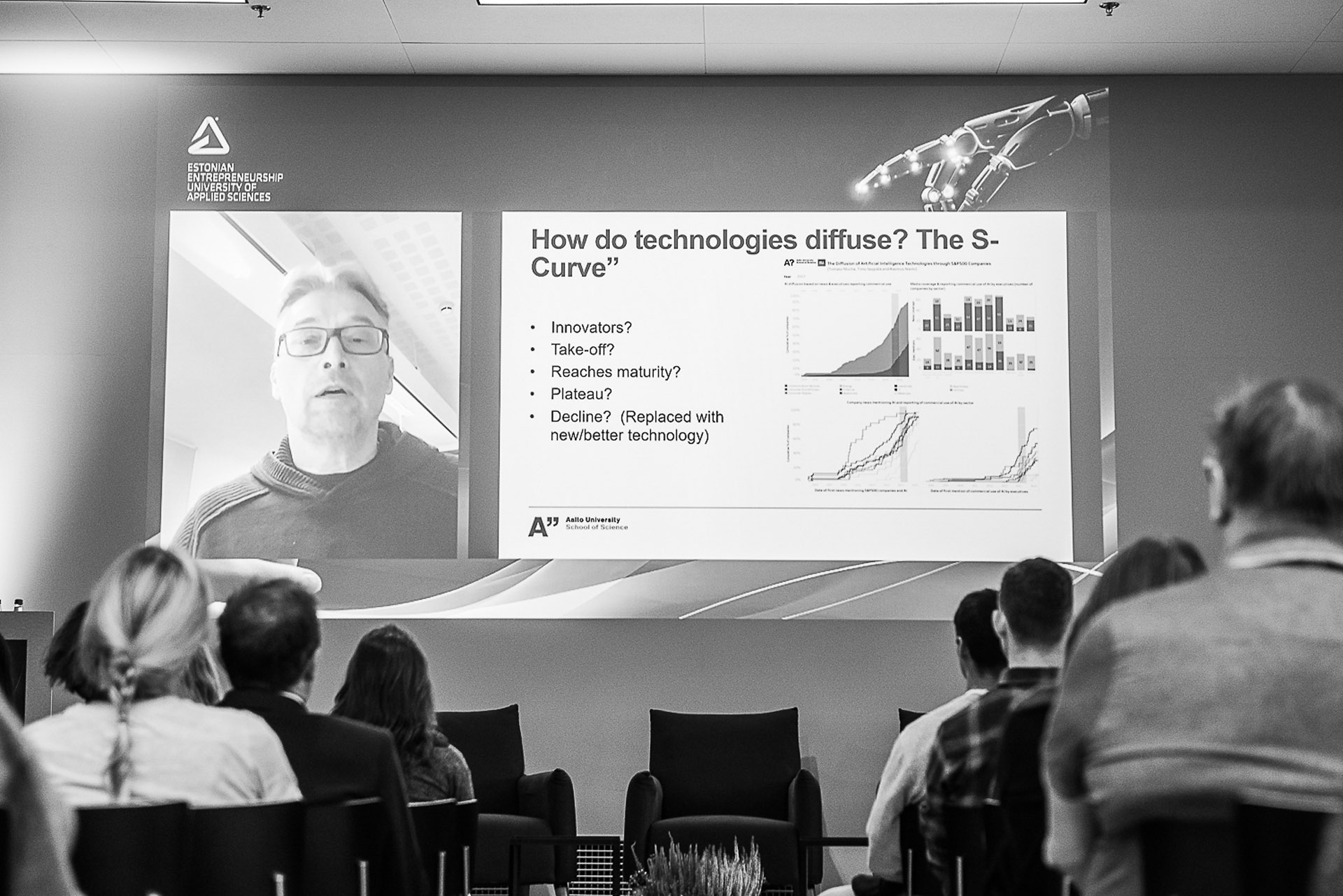
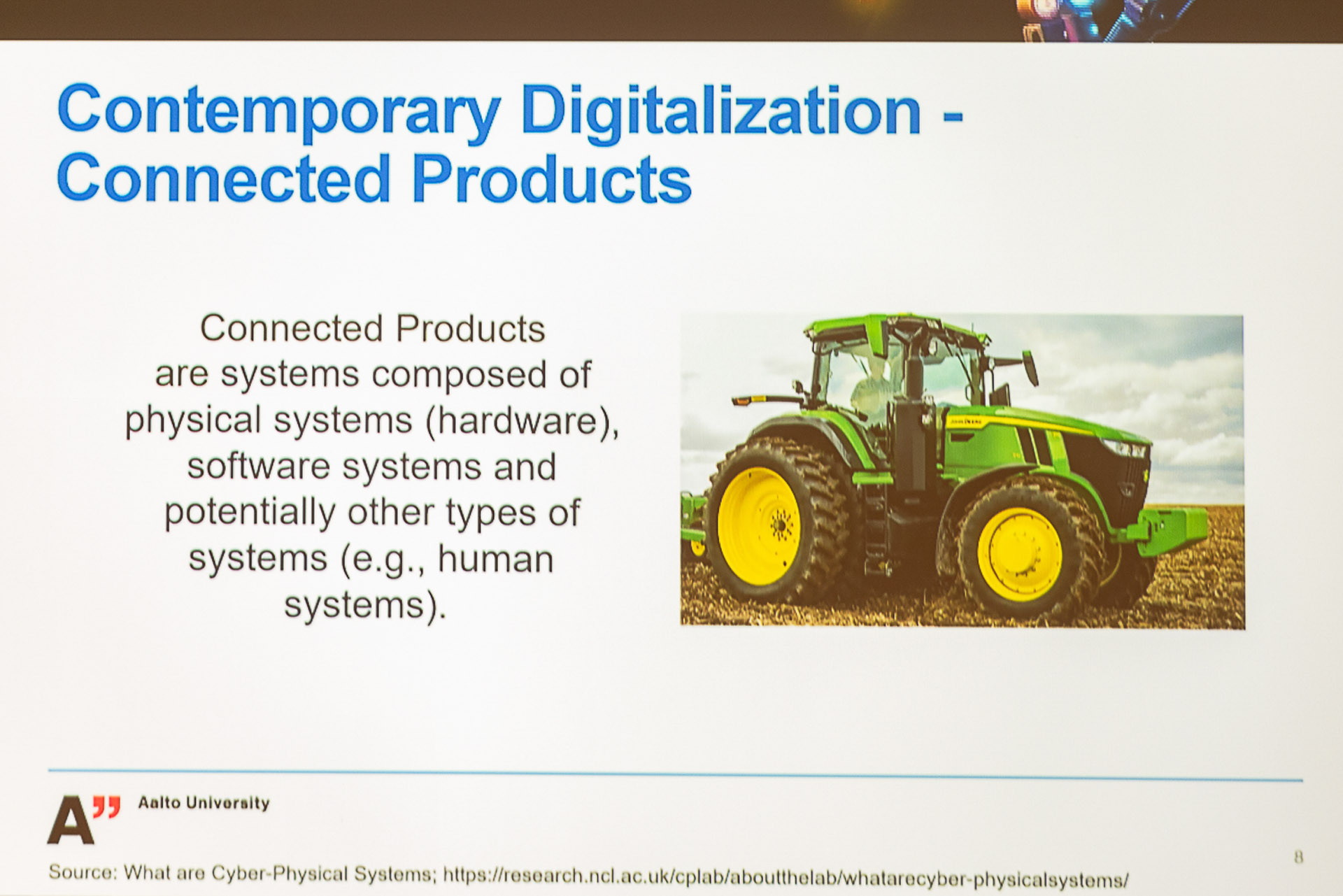
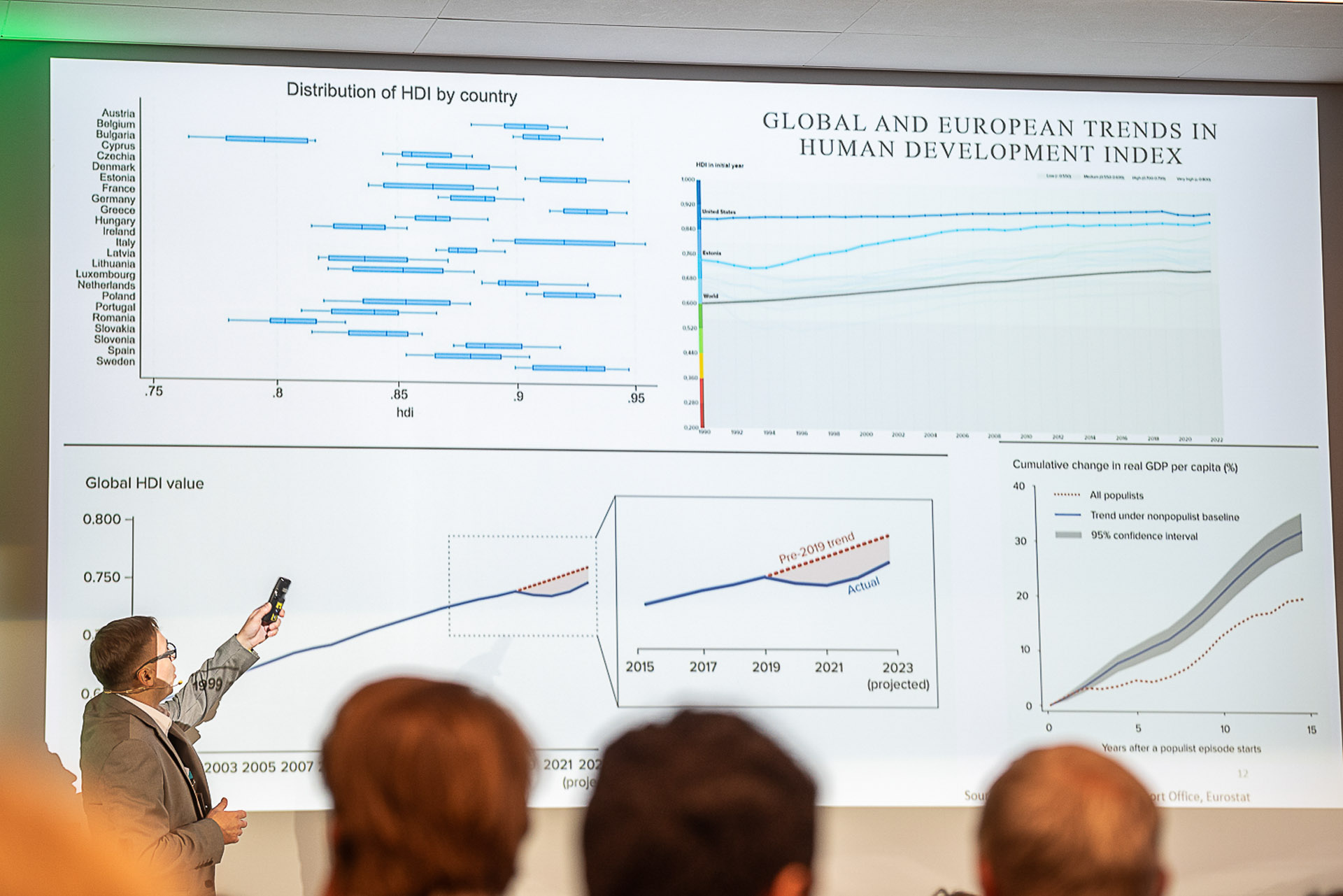
“Contemporary digitalization: AI diffusion monitoring among S&P500 companies”
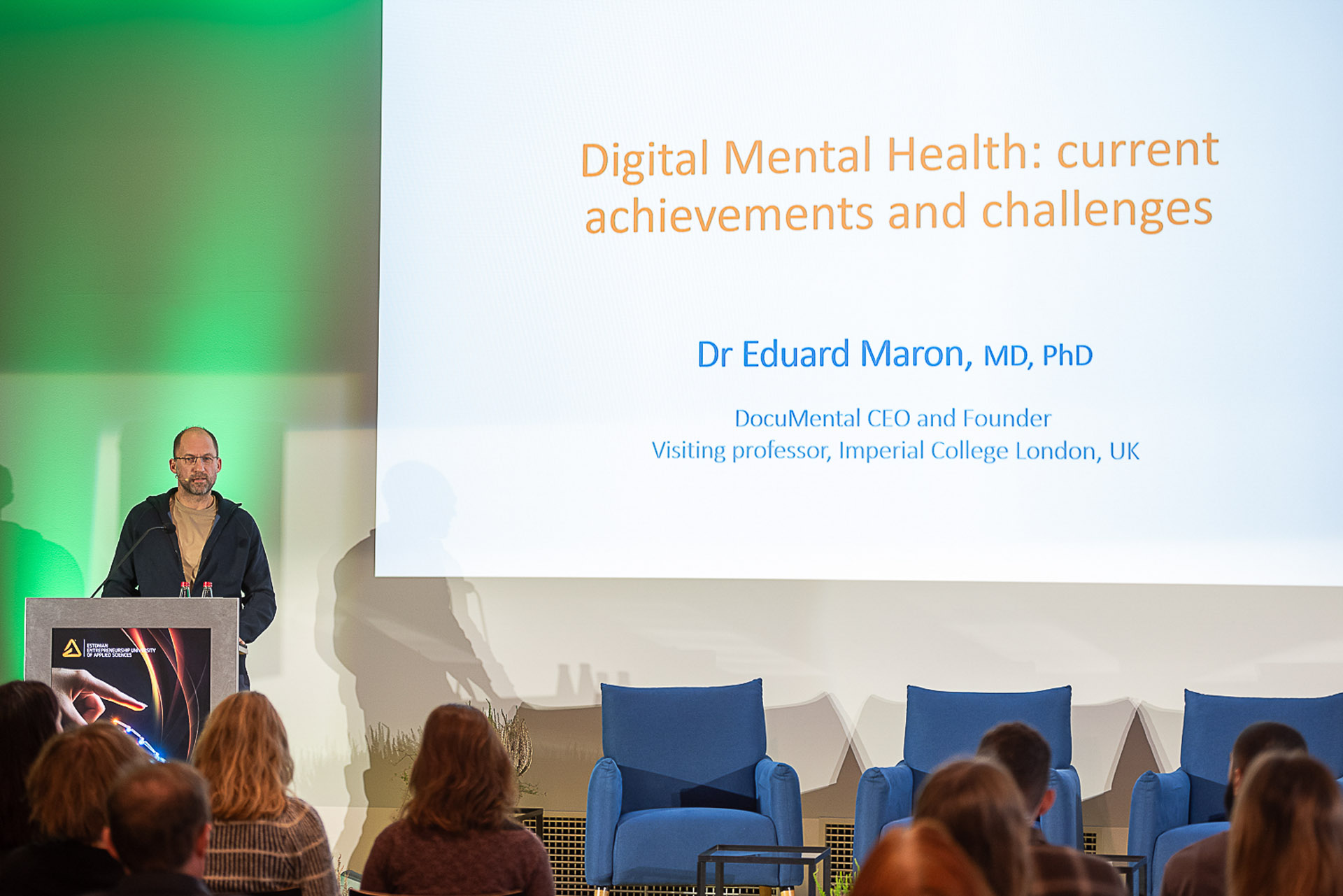
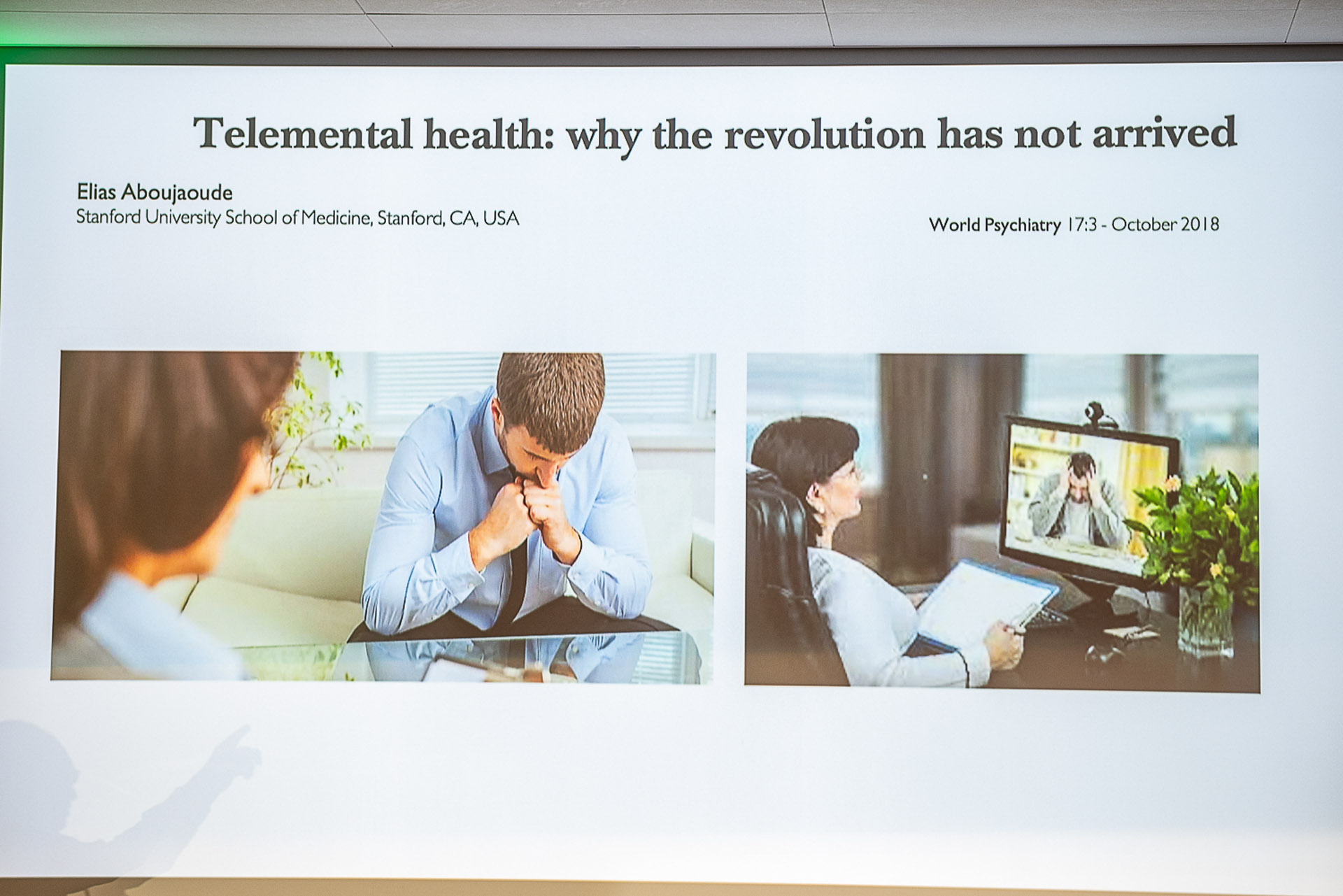
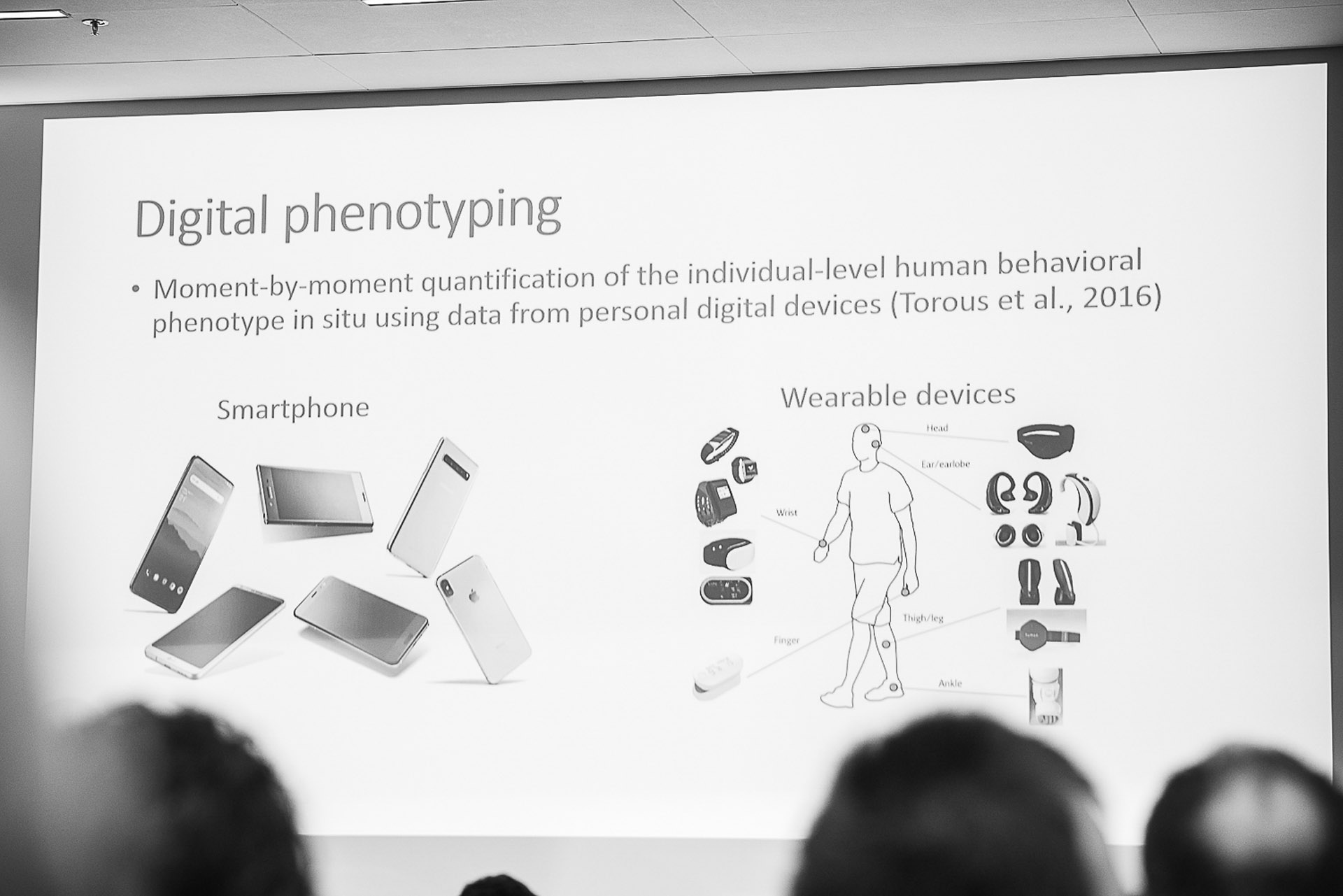
Eduard Maron
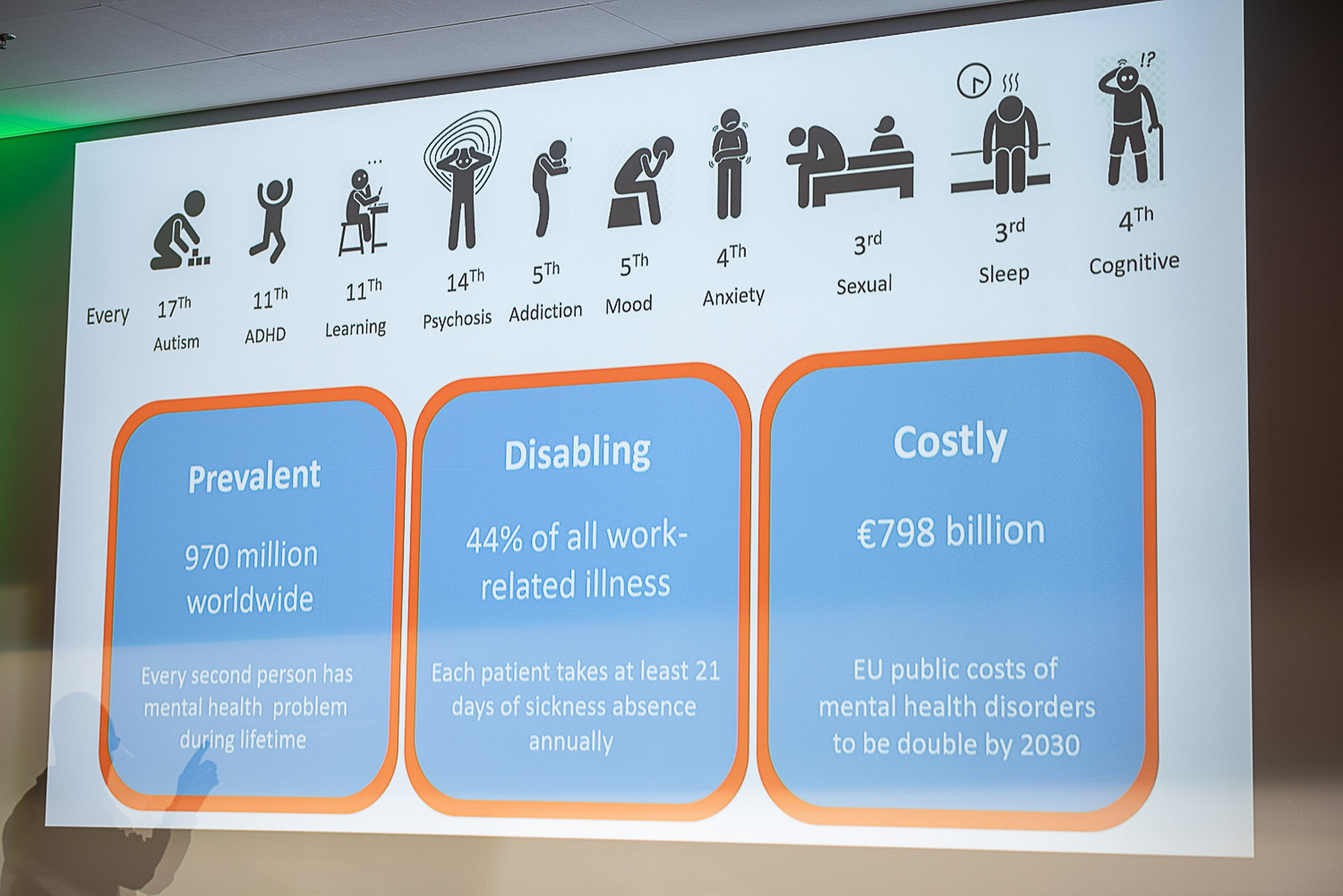
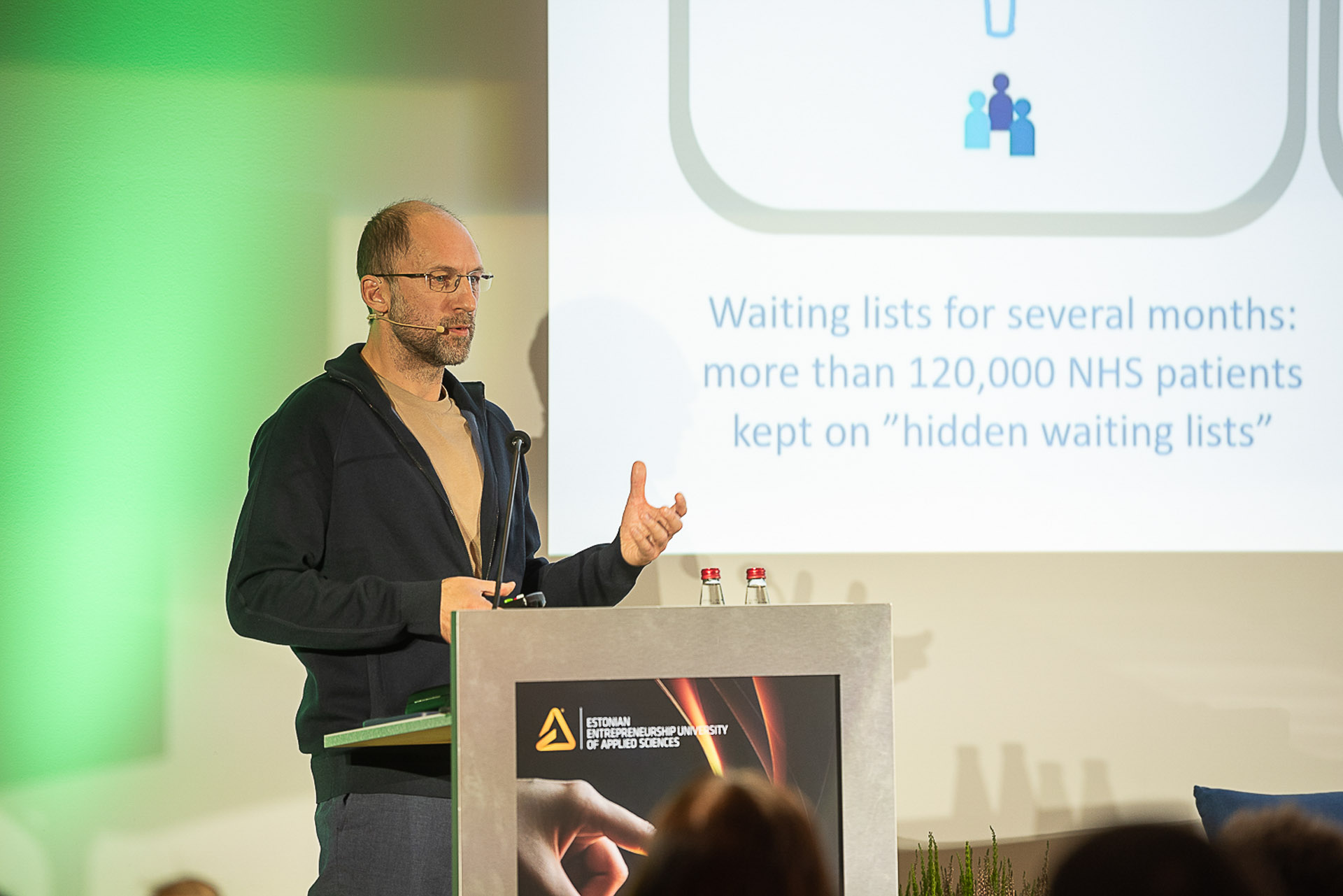
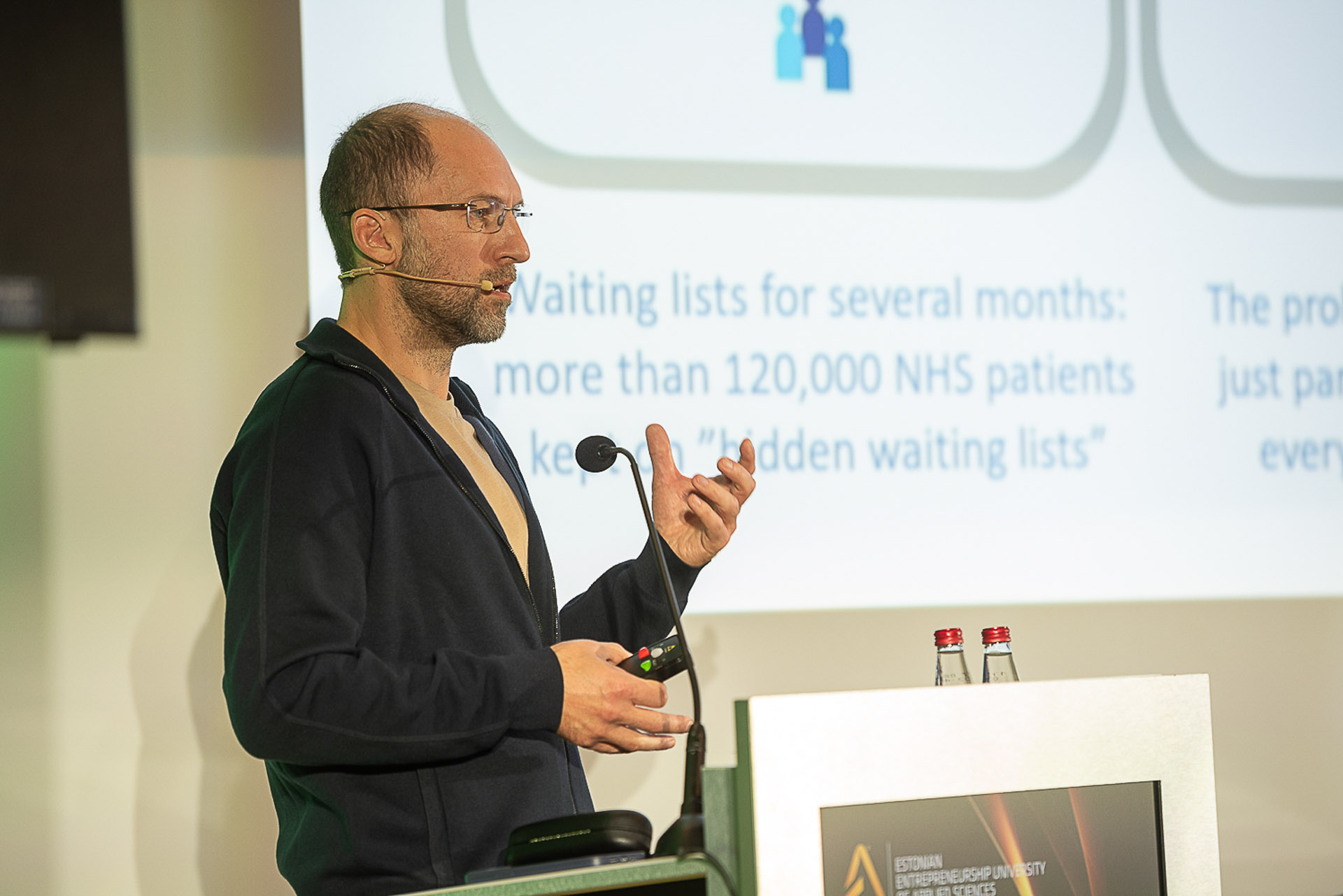
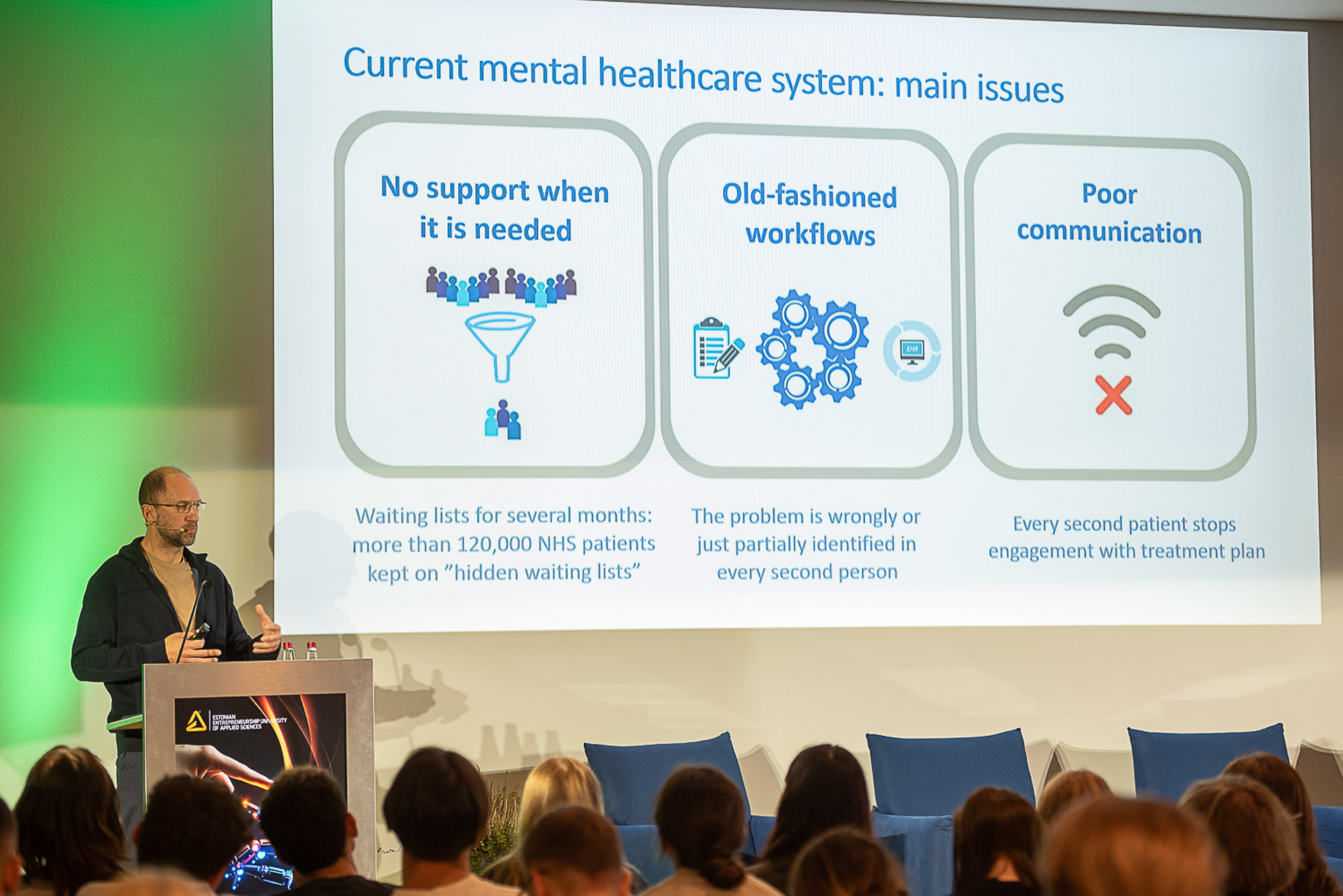
“Digital Mental Health: current achievements and challenges”
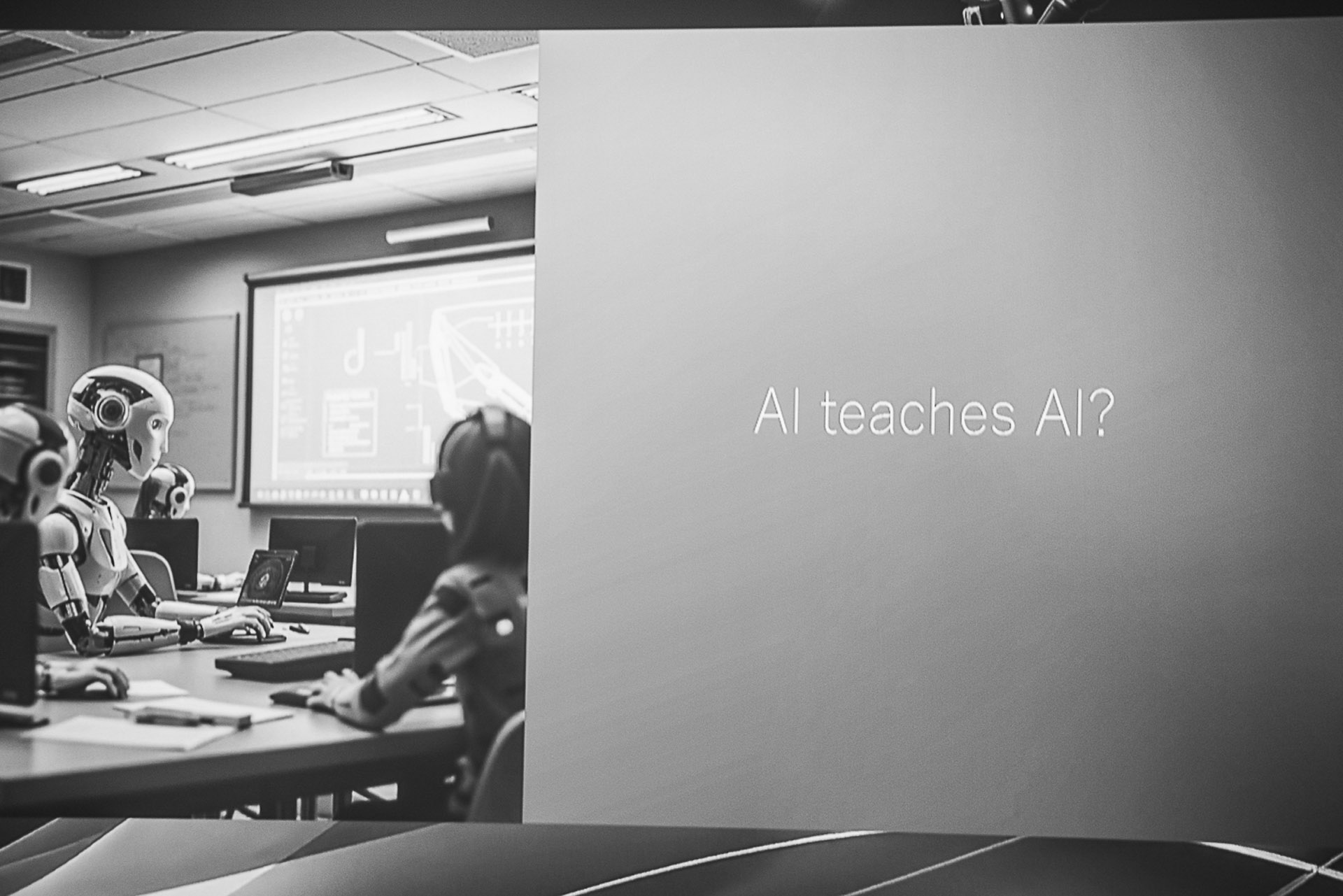
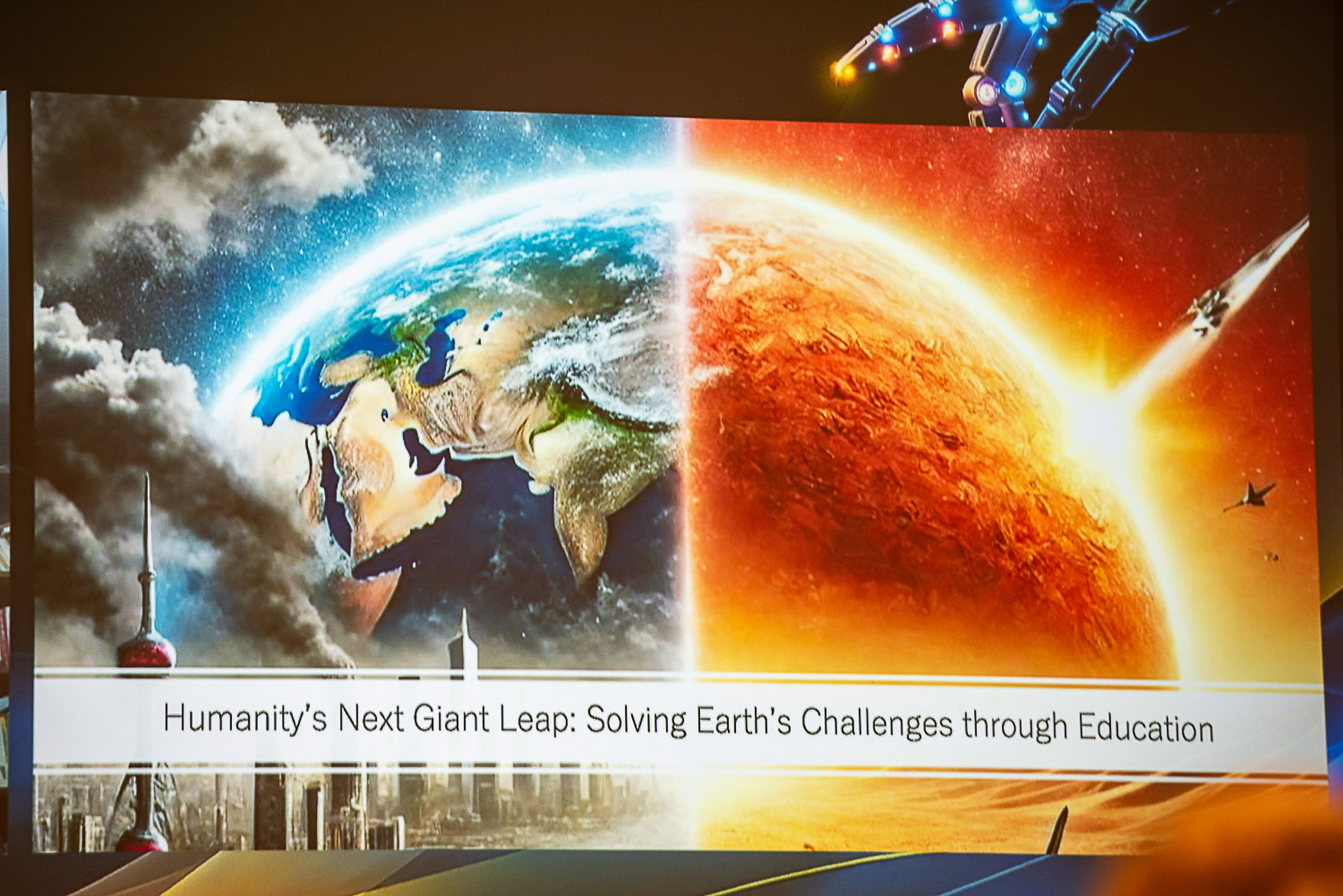
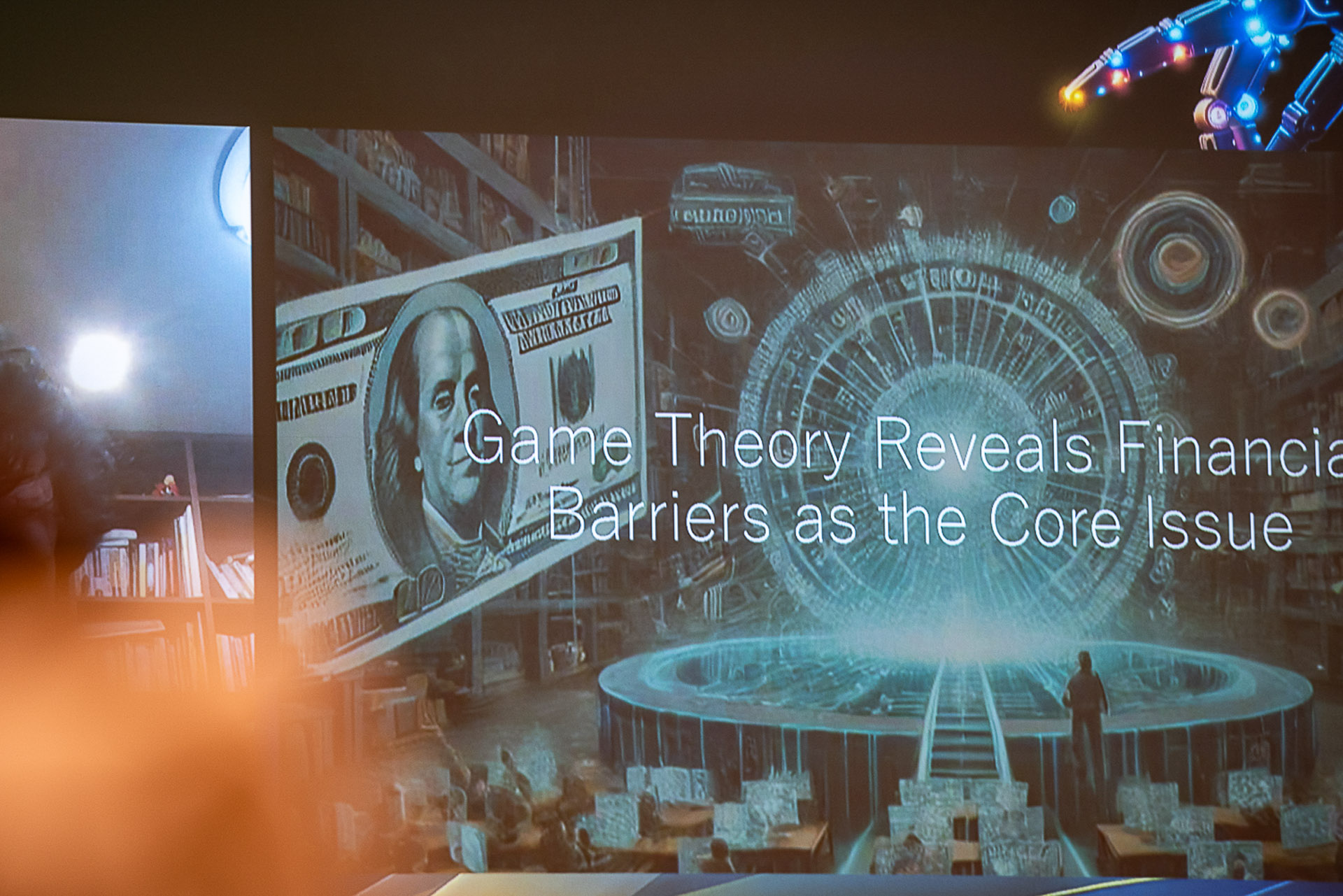
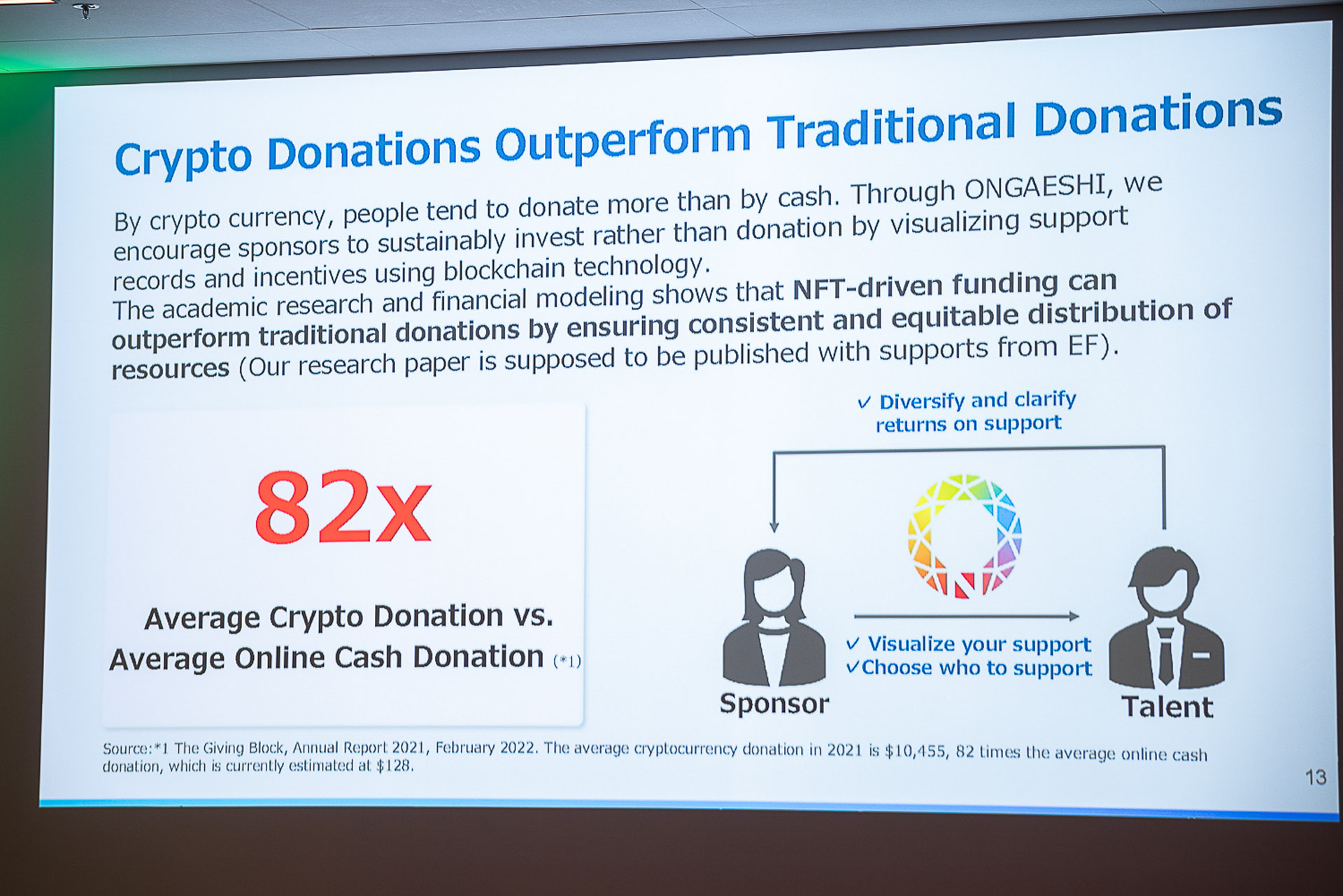
Masahiro Fukuhara
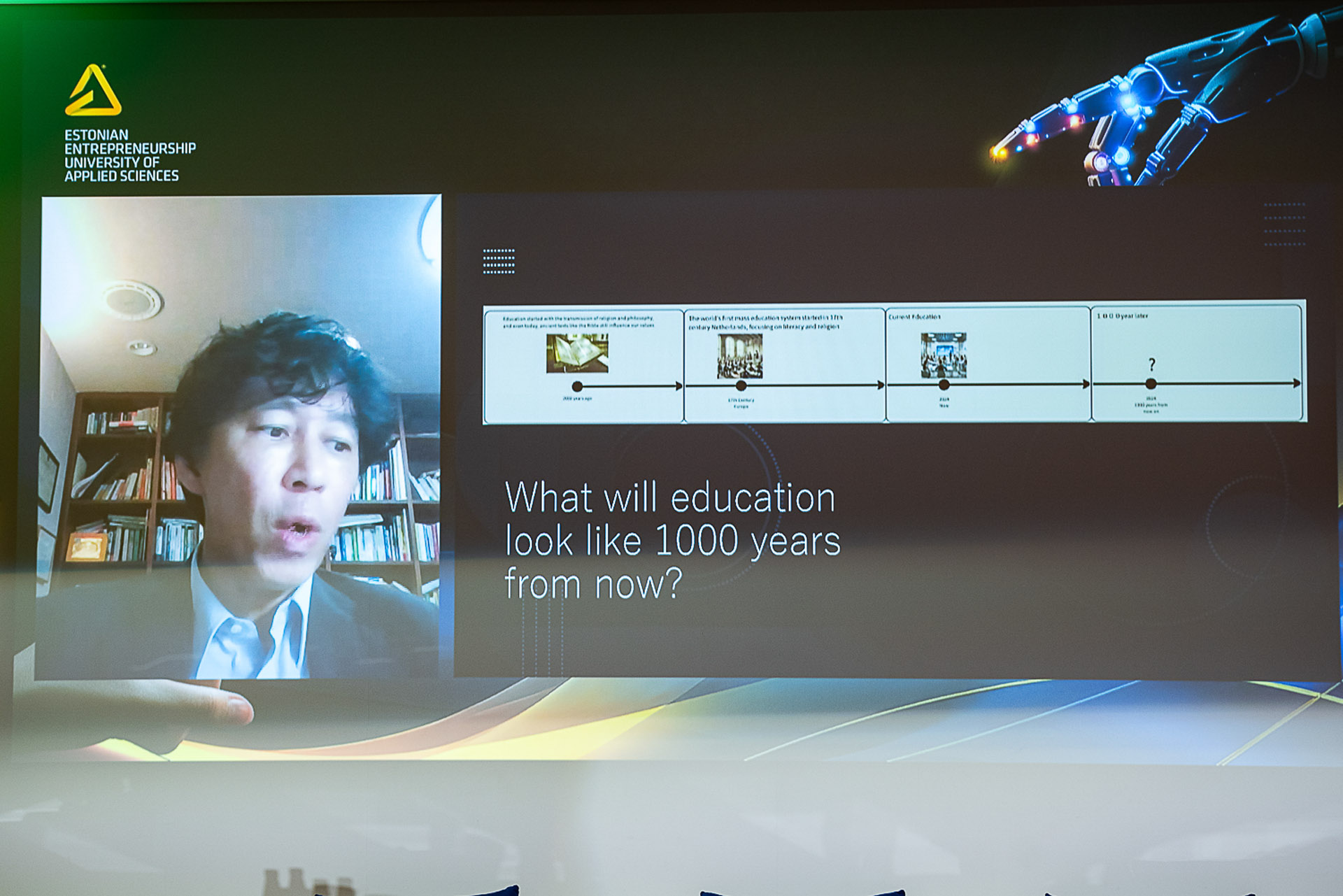
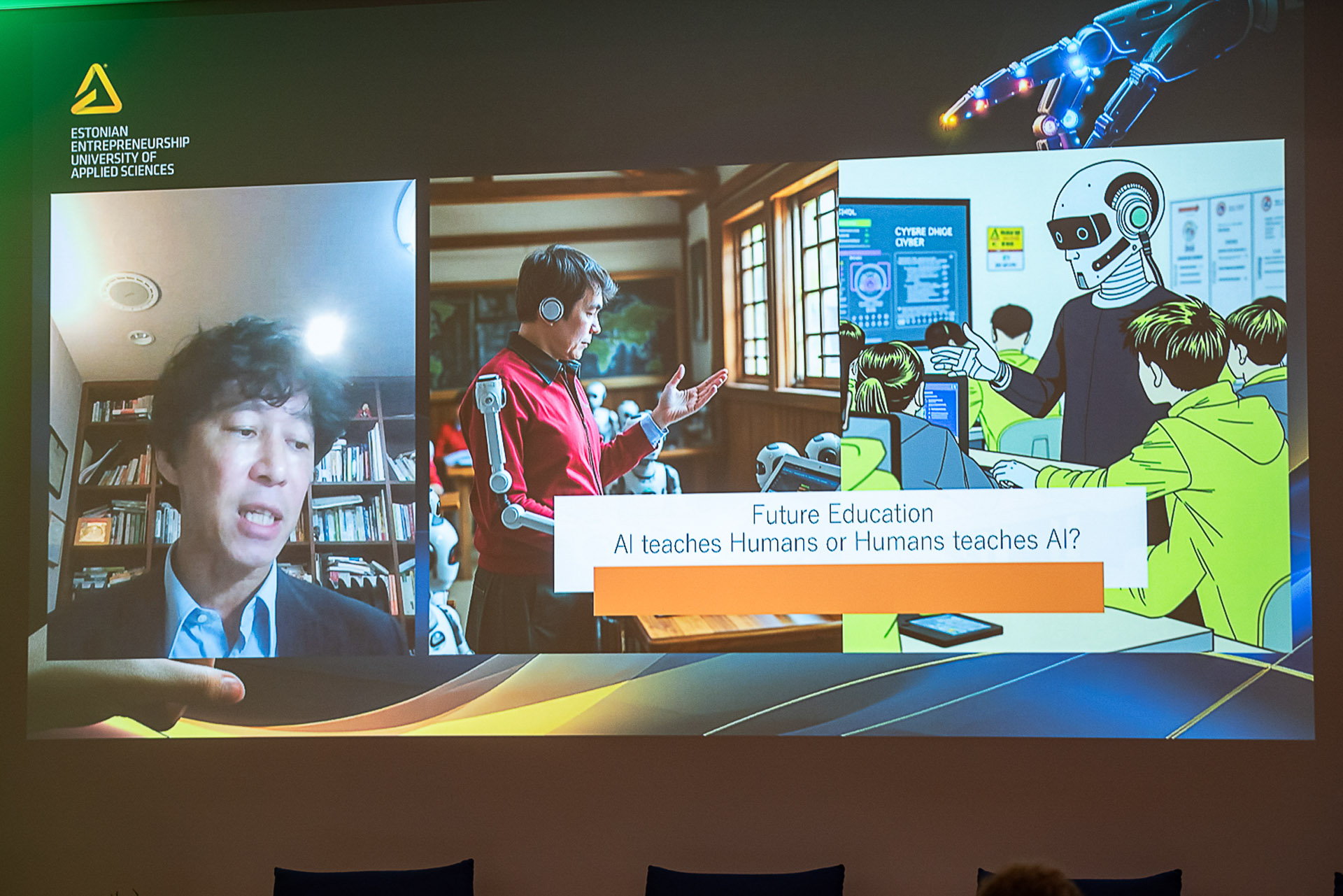
“Designing Education System for the Next Millennium: The Role of Smart Systems in Human Advancement“
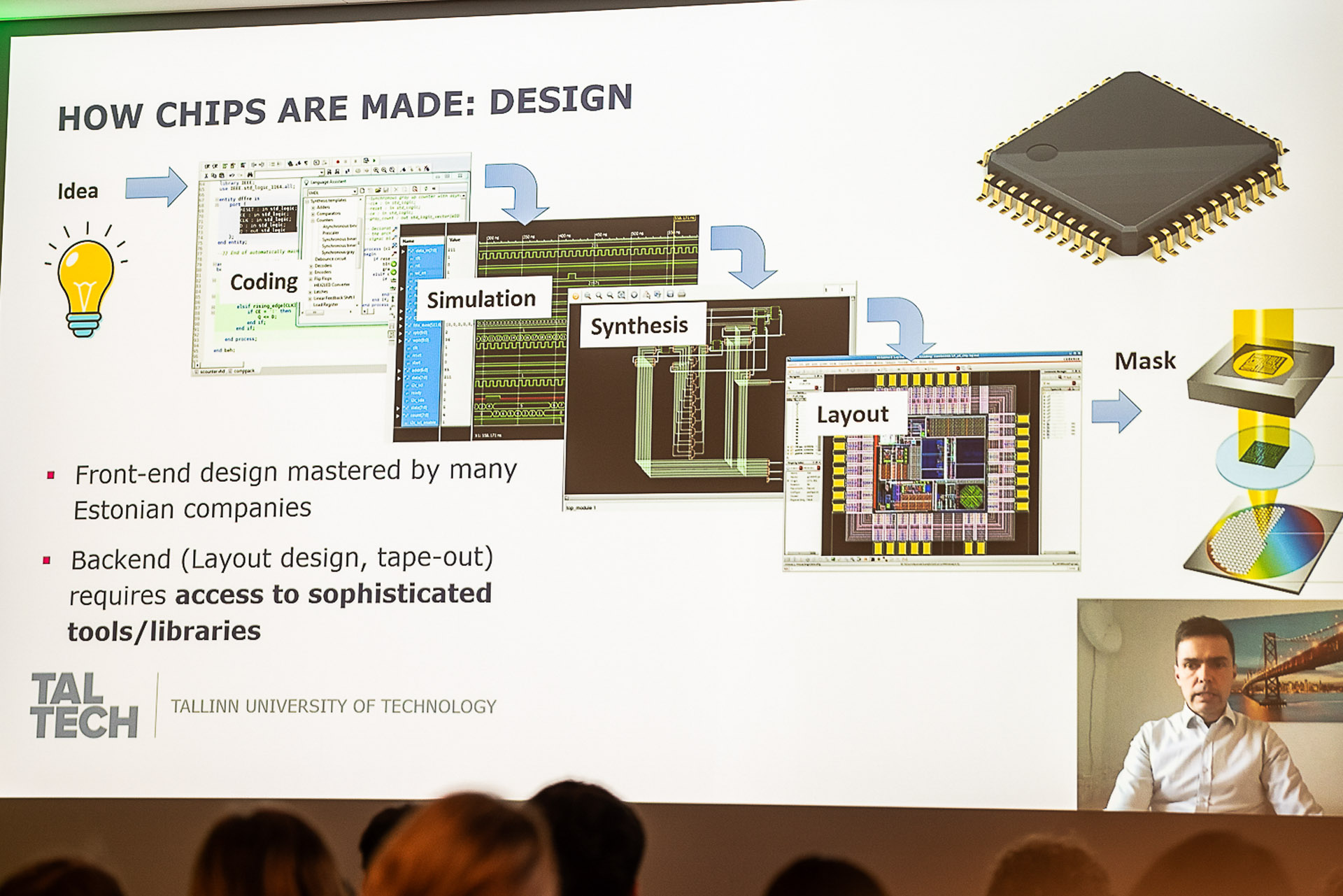
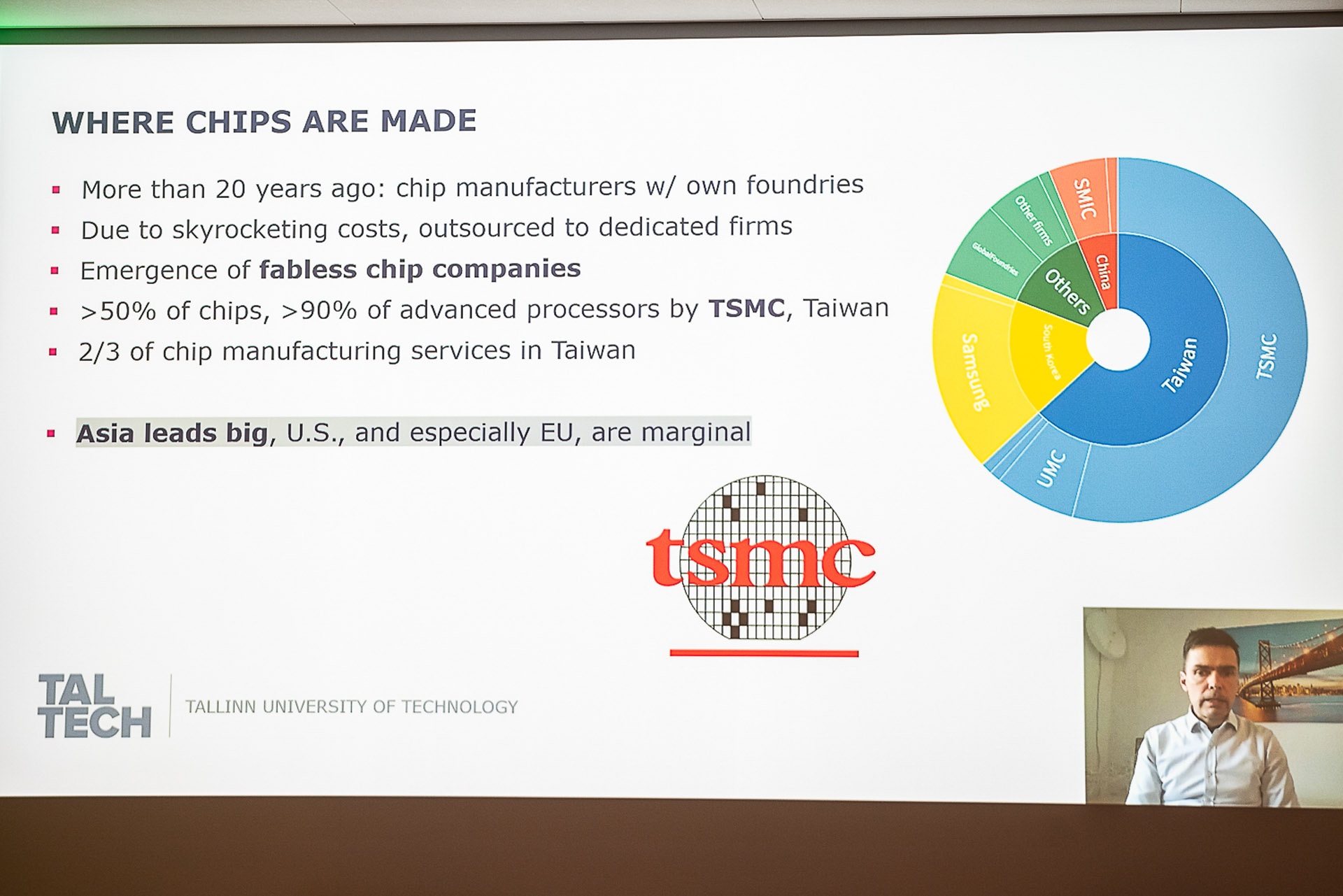
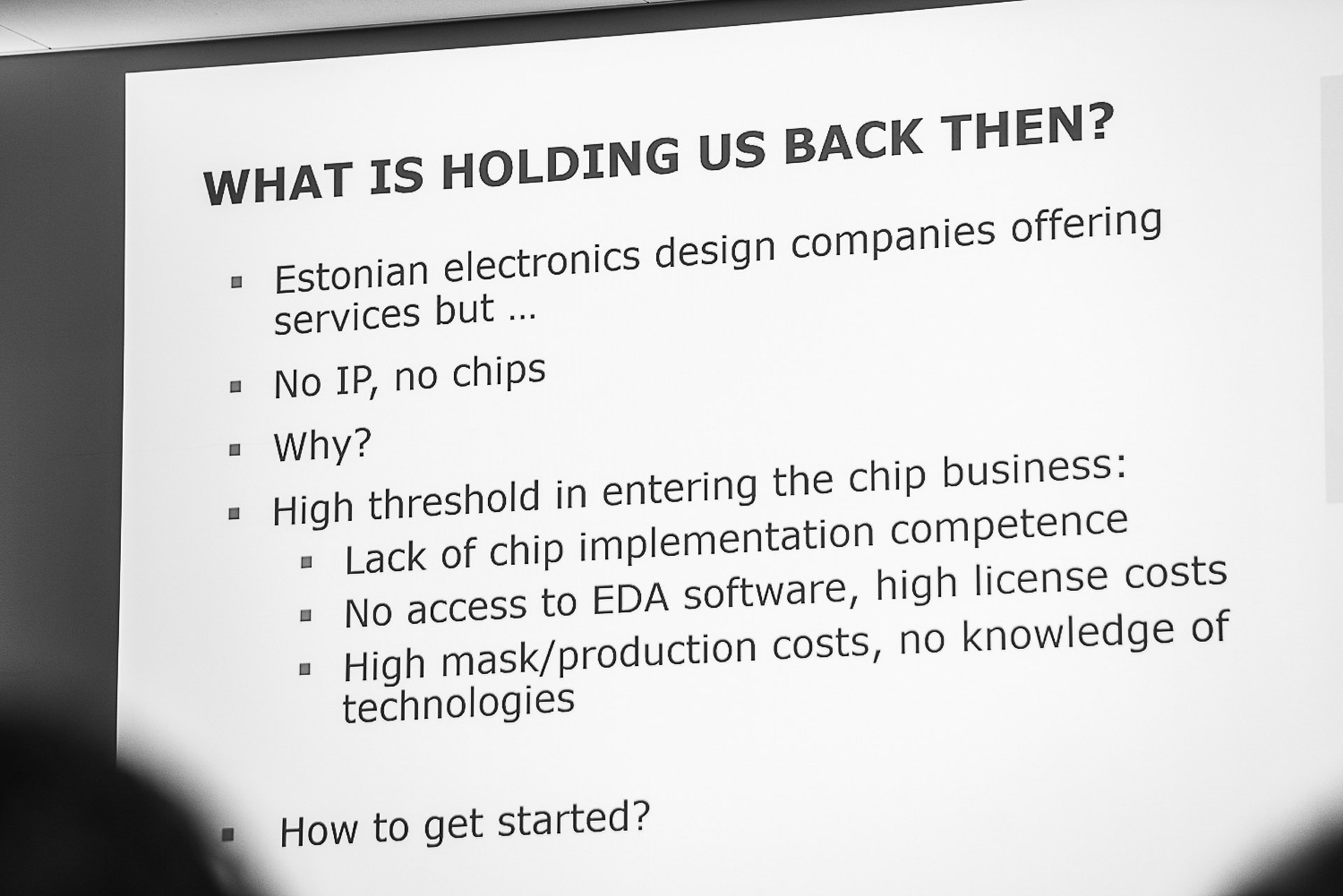
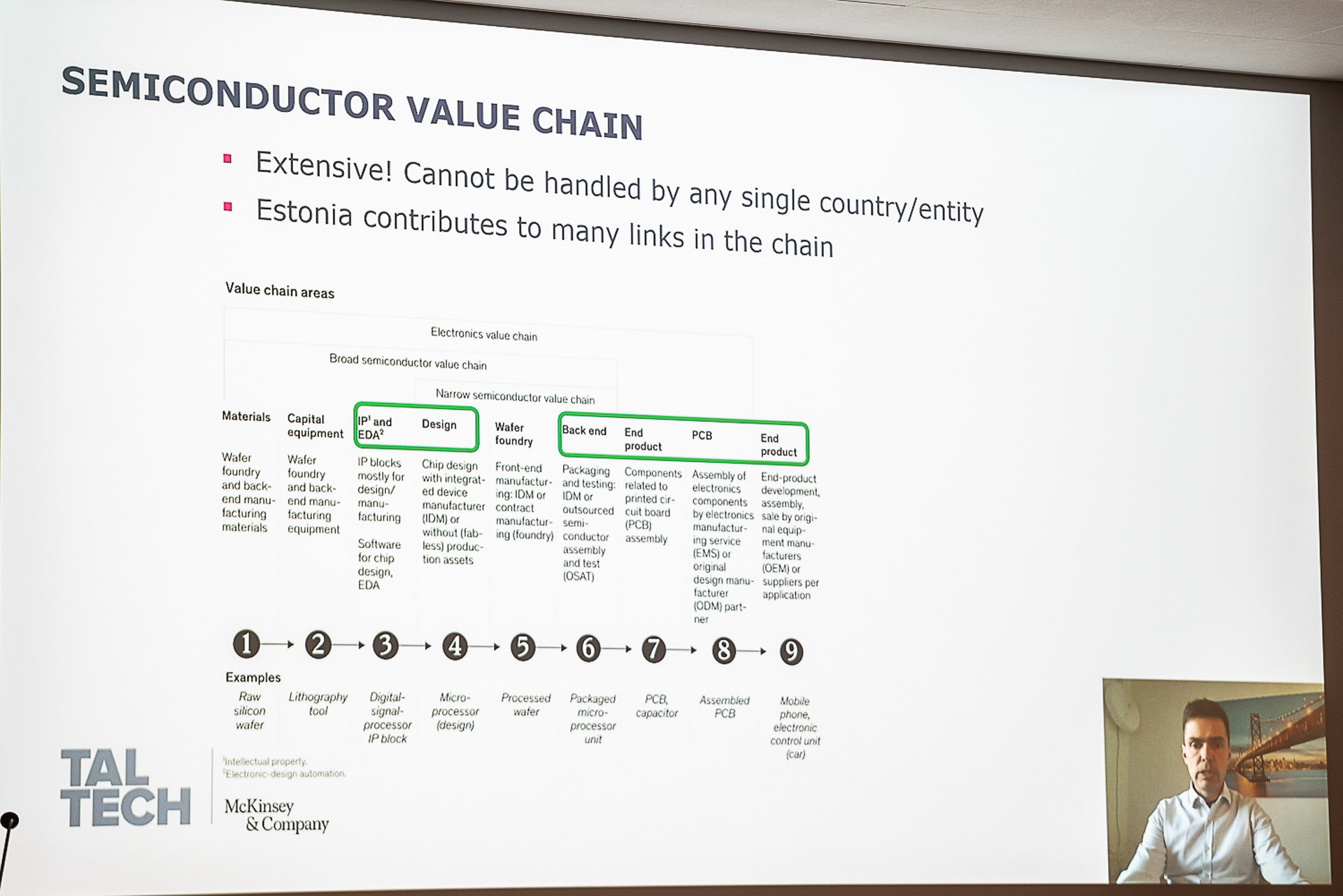
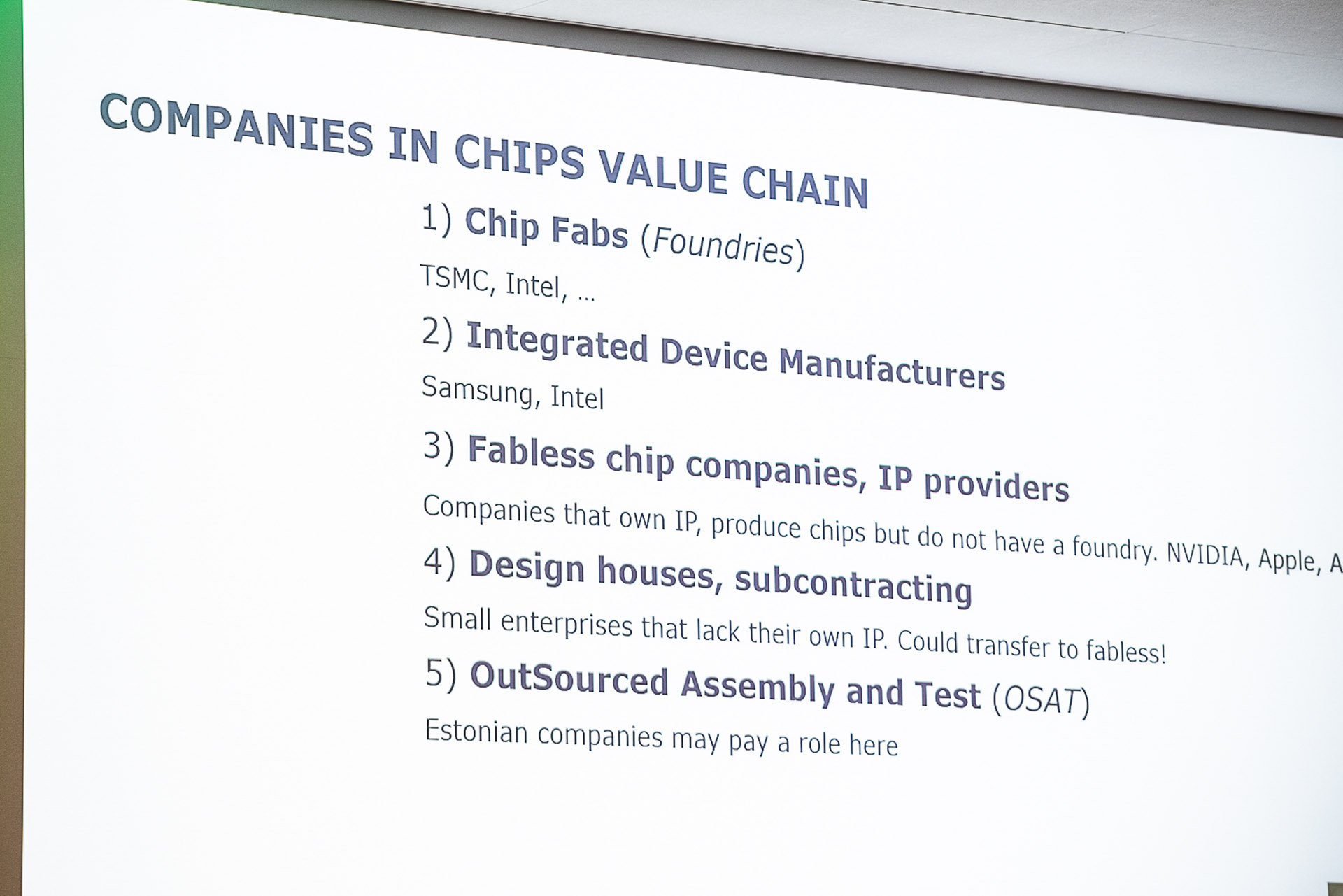
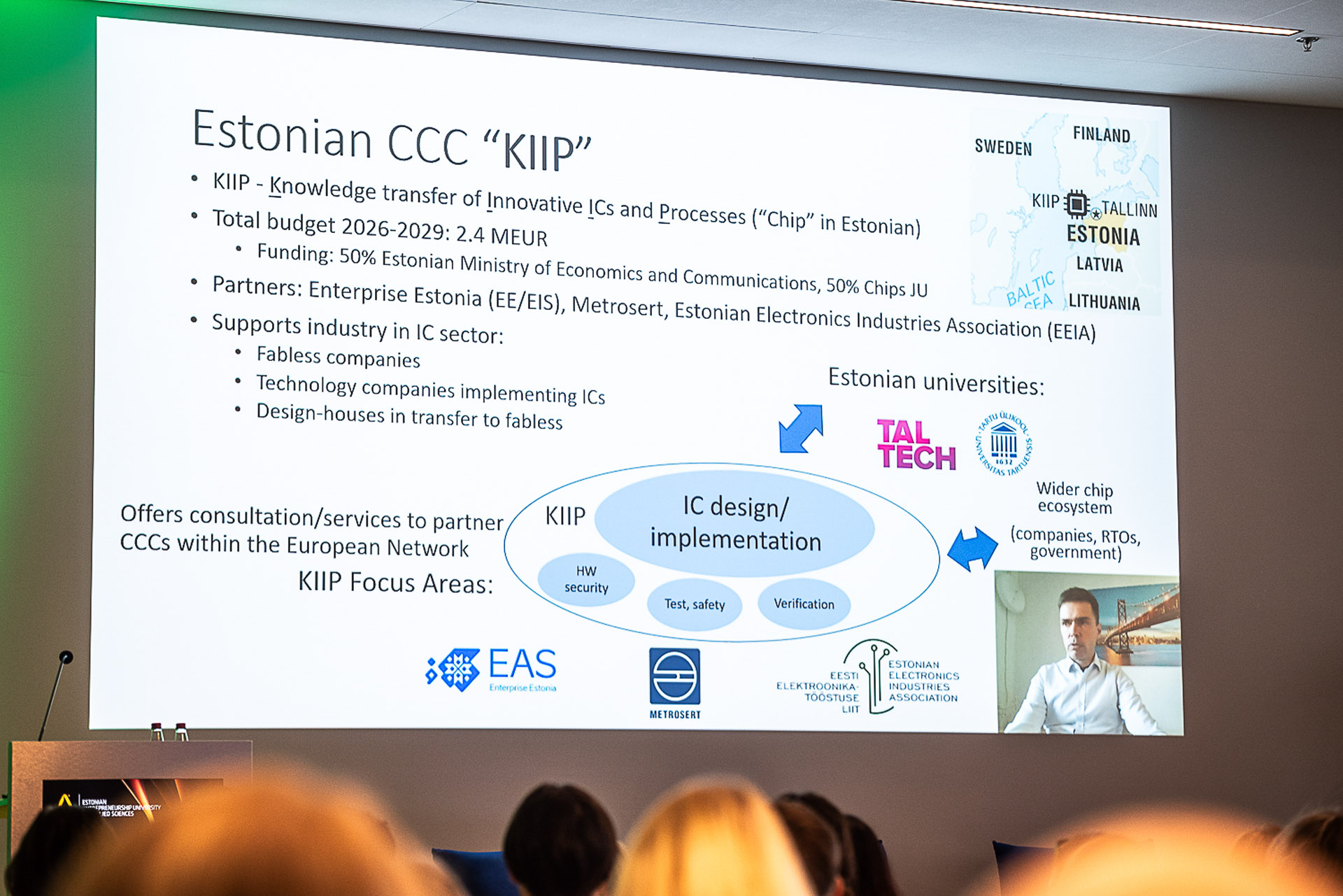
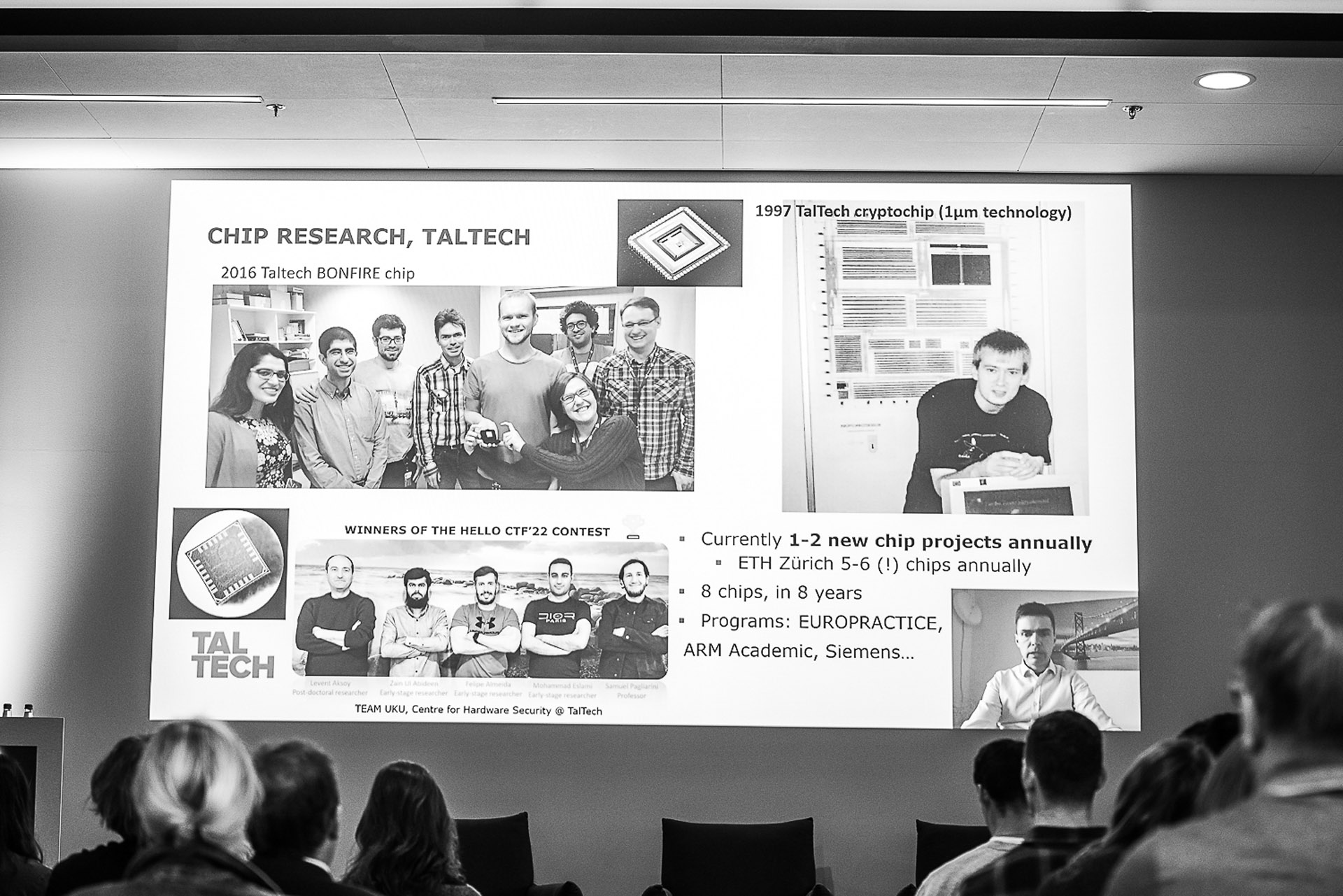
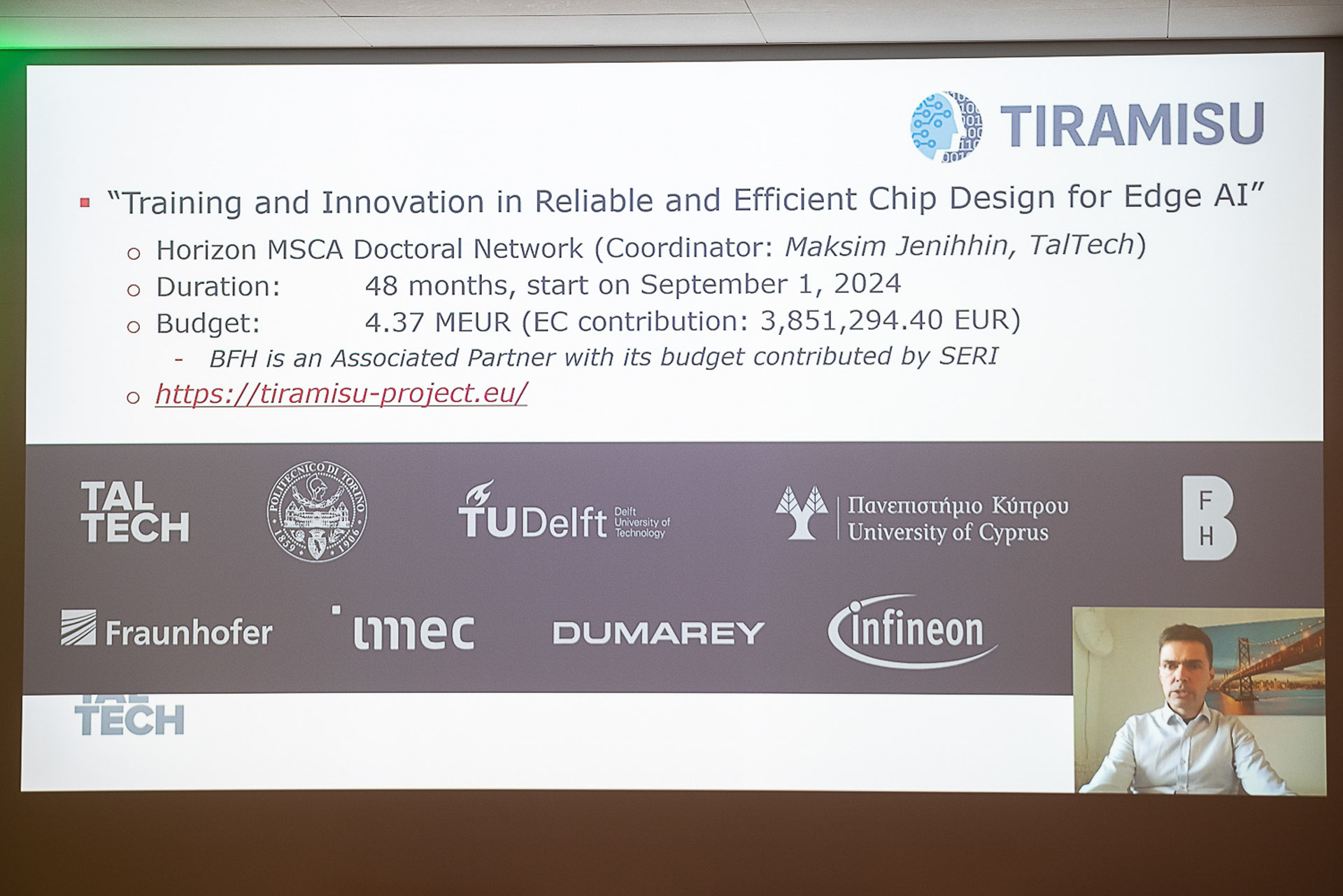
Jaan Raik
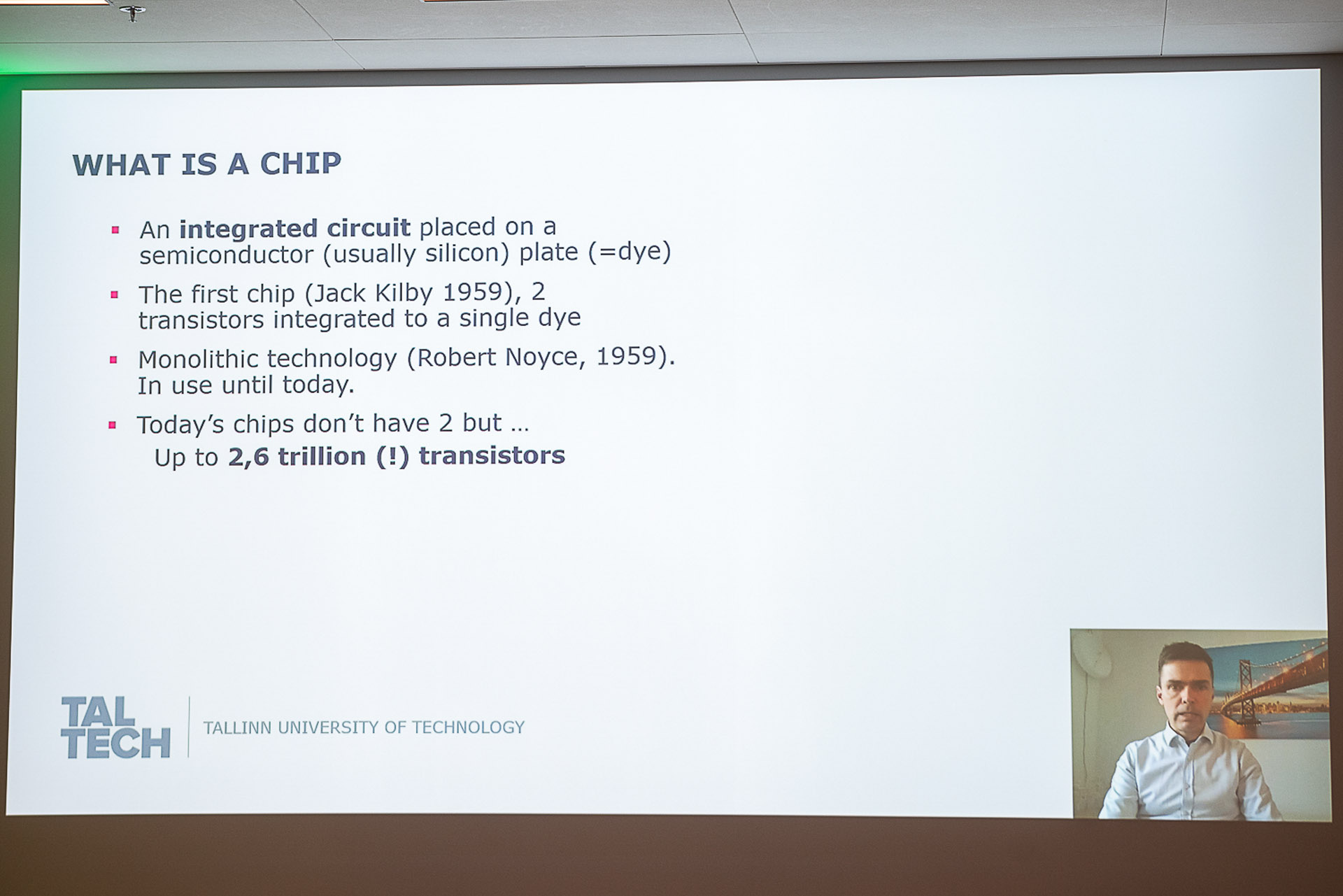
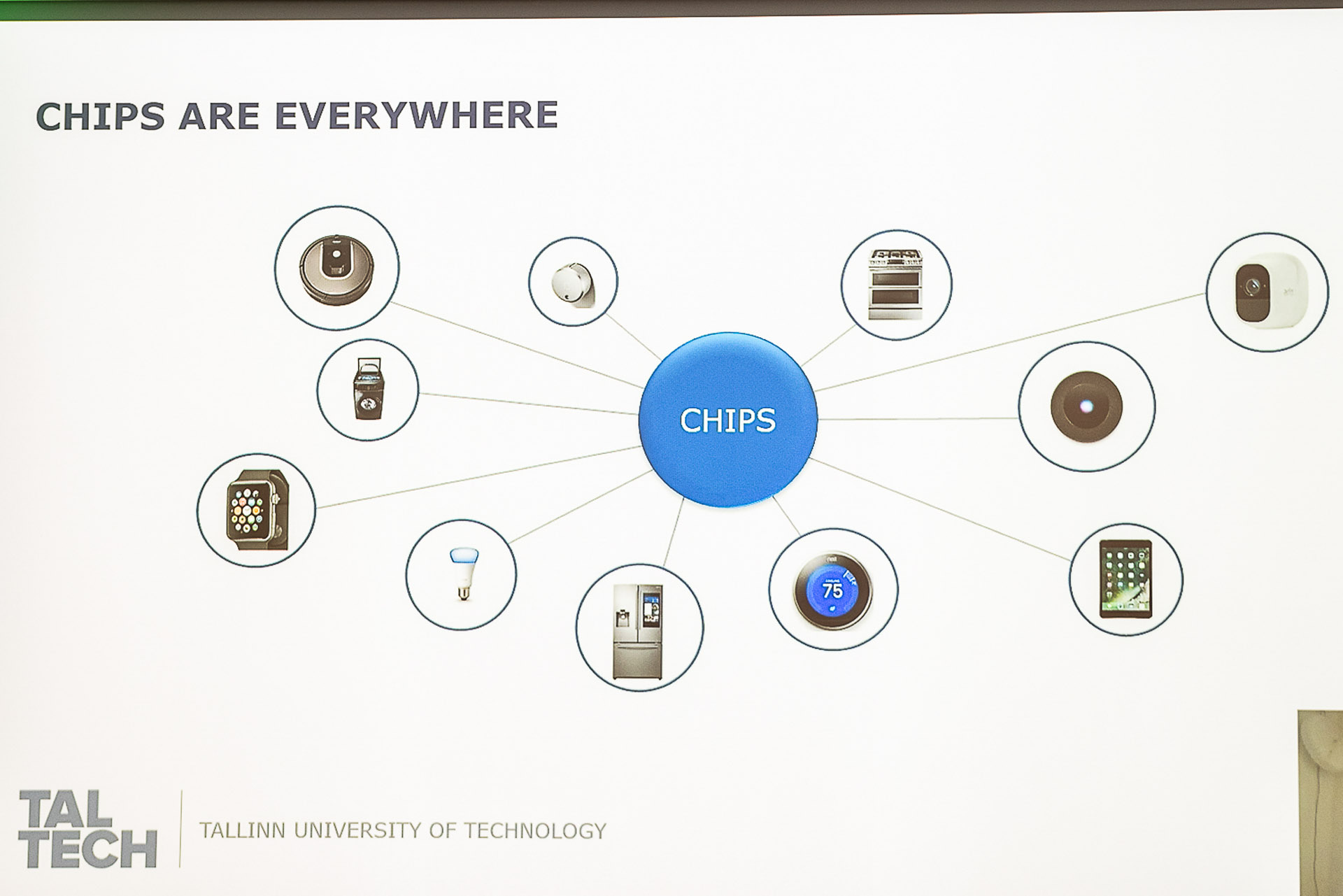
“Why Estonia Cannot Remain a Technology Player Without Its Own Chip Industry“
Panel Discussion
“Between the technology and mankind: perspectives of education, industry, society“
Presentations of Scientific Papers
SPEAKERS’ VIDEO RECORDINGS
Karin Jaanson
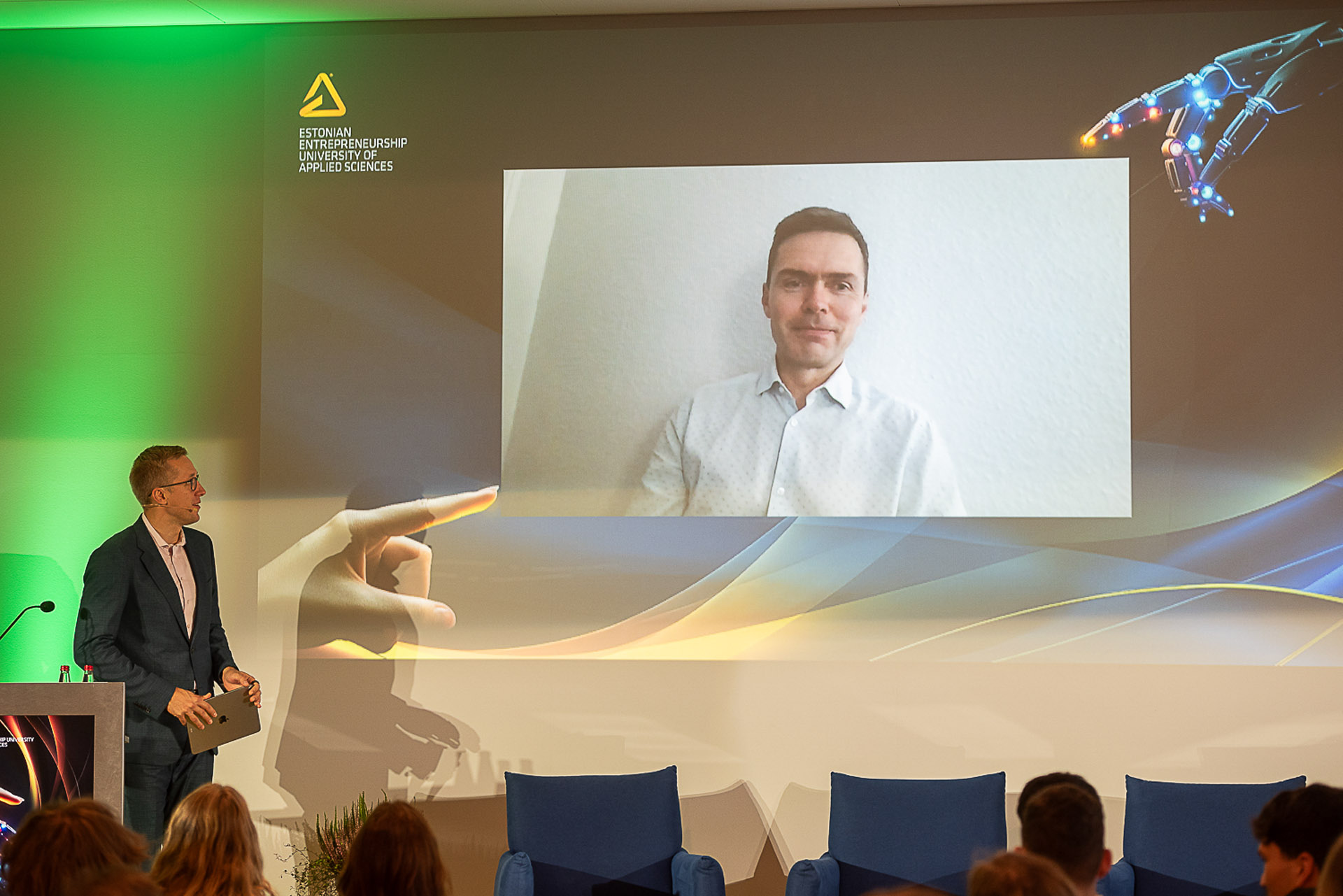
Jaan Raik
“Why Estonia Cannot Remain a Technology Player Without Its Own Chip Industry”
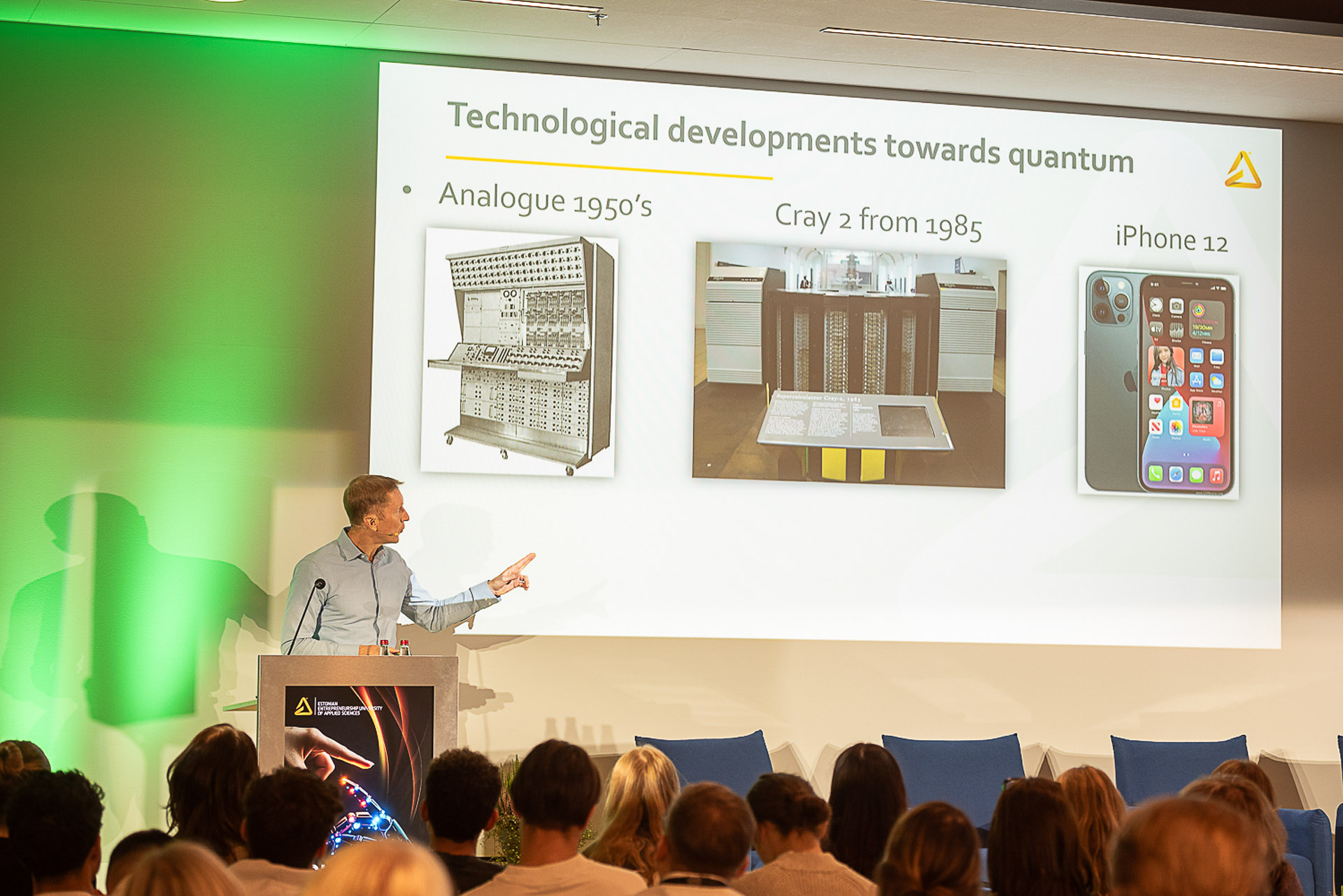
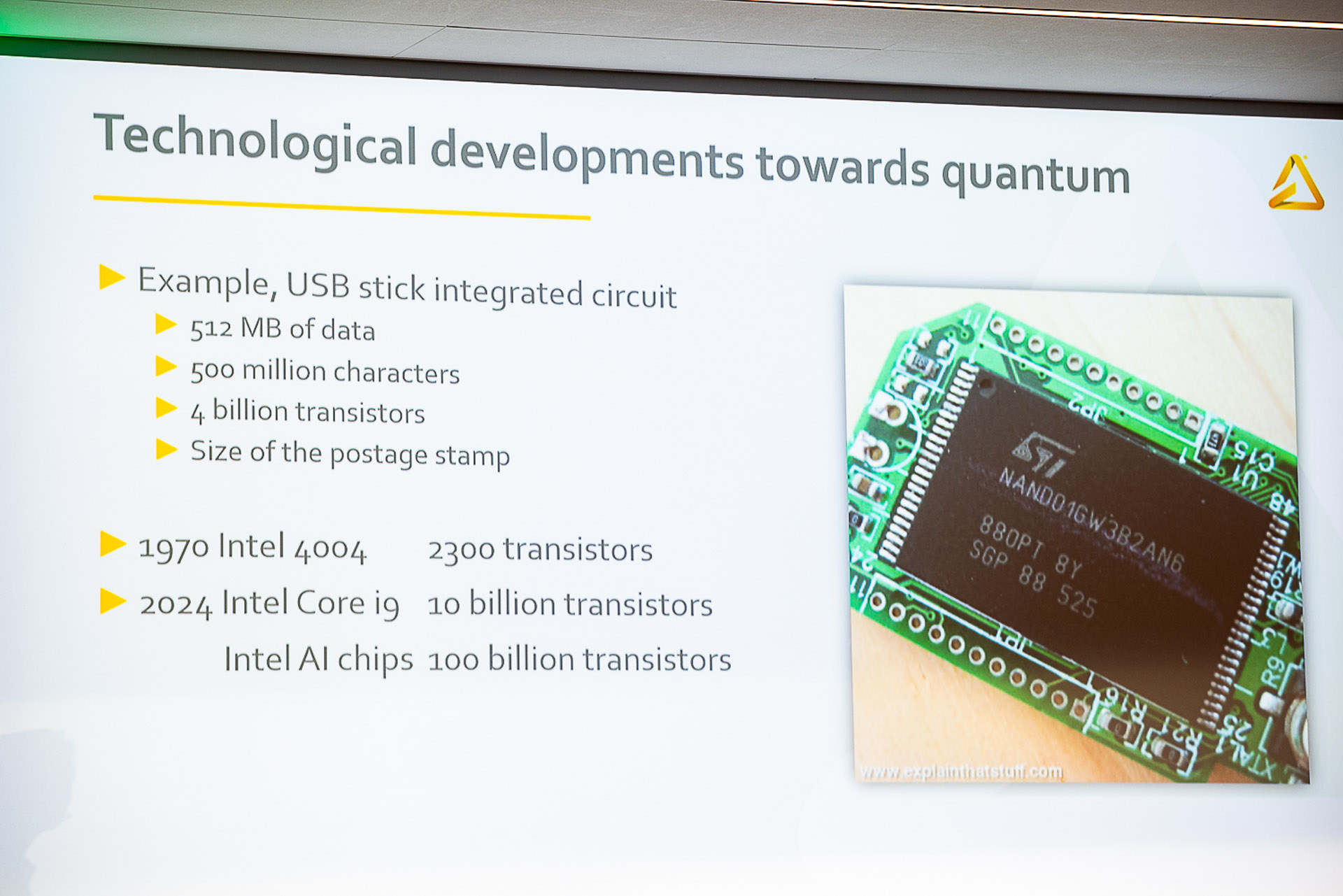
Andrus Pedai
“Quantum computers as foundation for the humanity’s next breakthrough”
Timo Seppälä
“Contemporary digitalization: AI diffusion monitoring among S&P500 companies”
Masahiro Fukuhara
“Designing Education System for the Next Millennium: The Role of Smart Systems in Human Advancement”
Eduard Maron
“Digital Mental Health: current achievements and challenges”
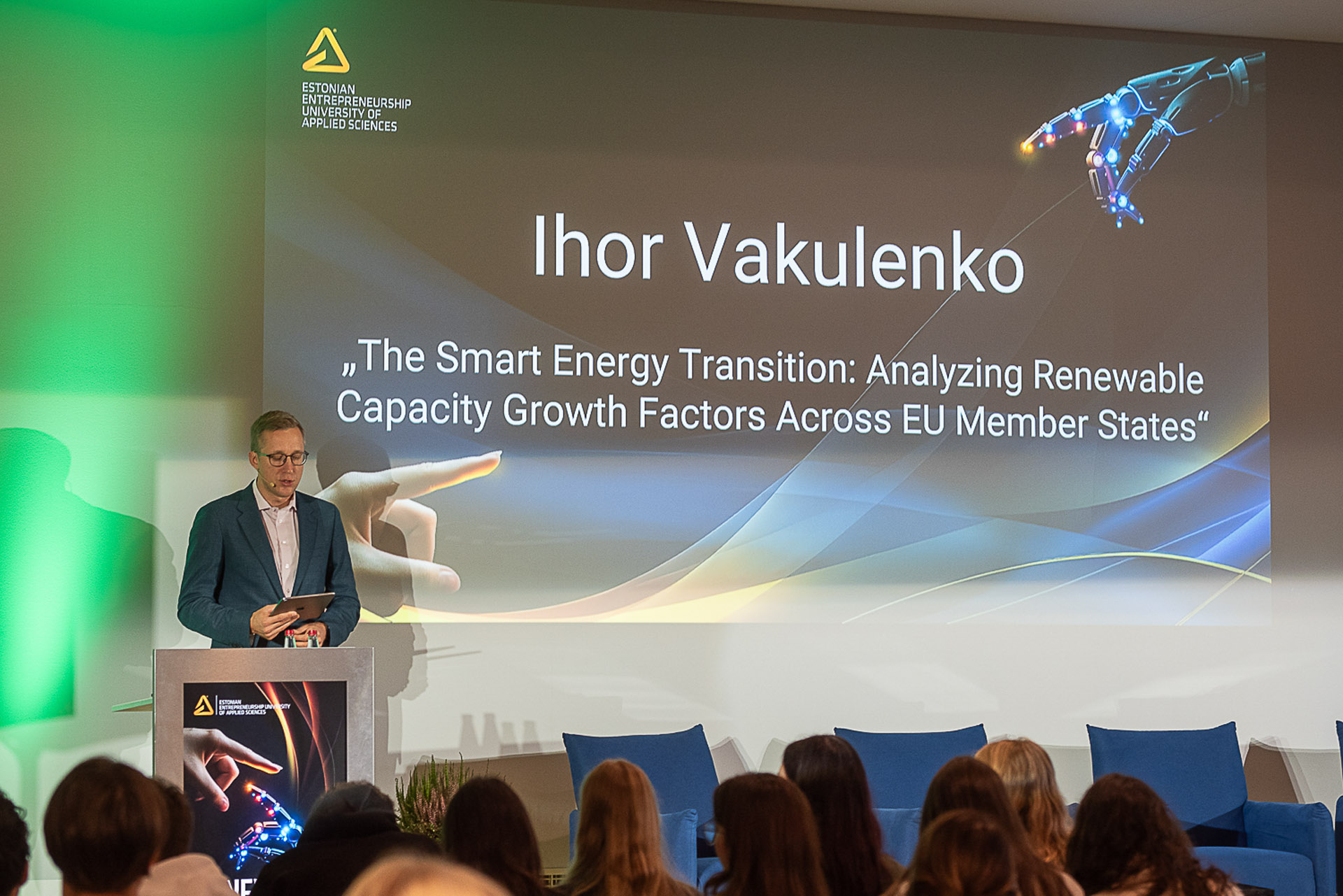
Ihor Vakulenko
“The Smart Energy Transition: Analyzing Renewable Capacity Growth Factors Across EU Member States”
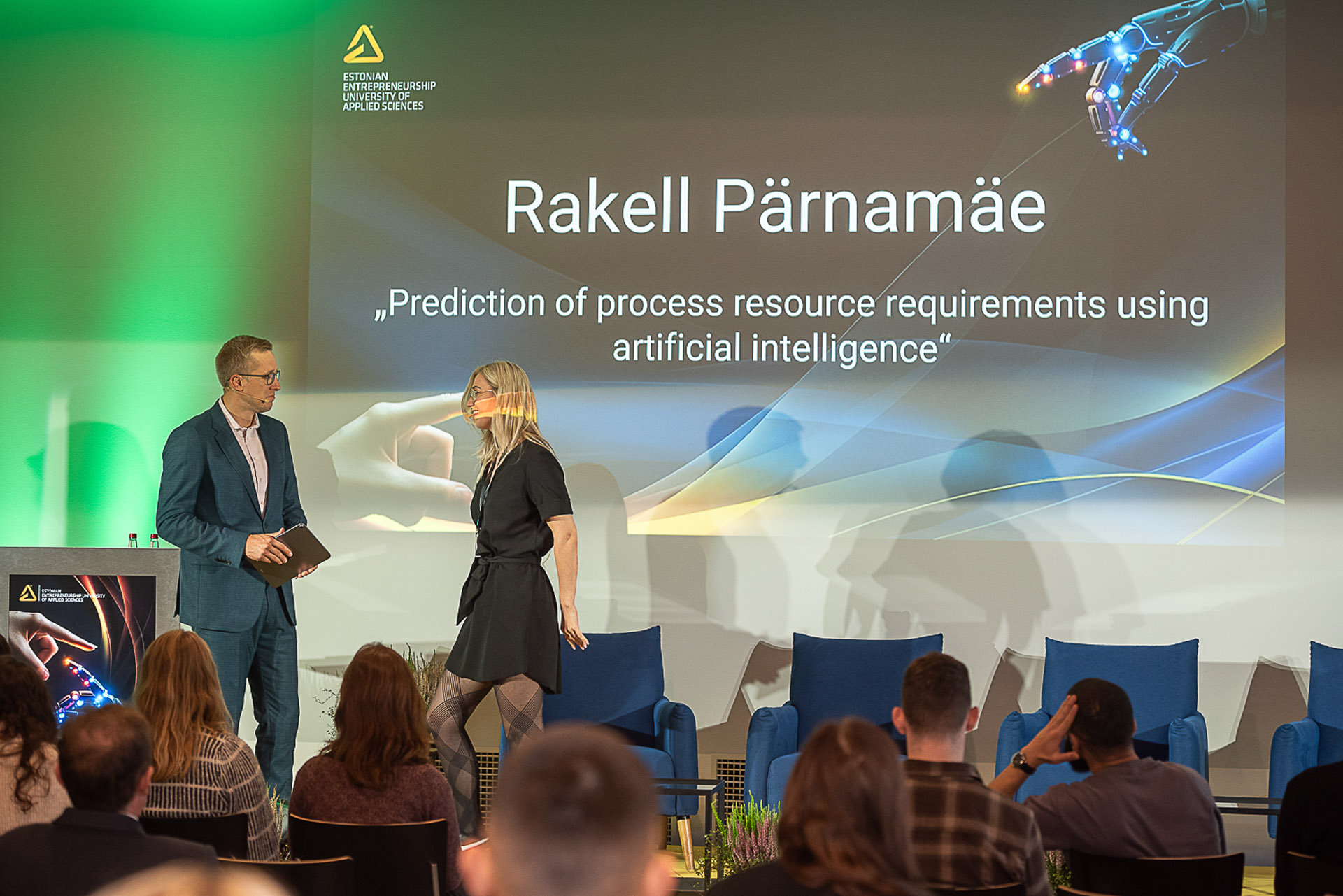
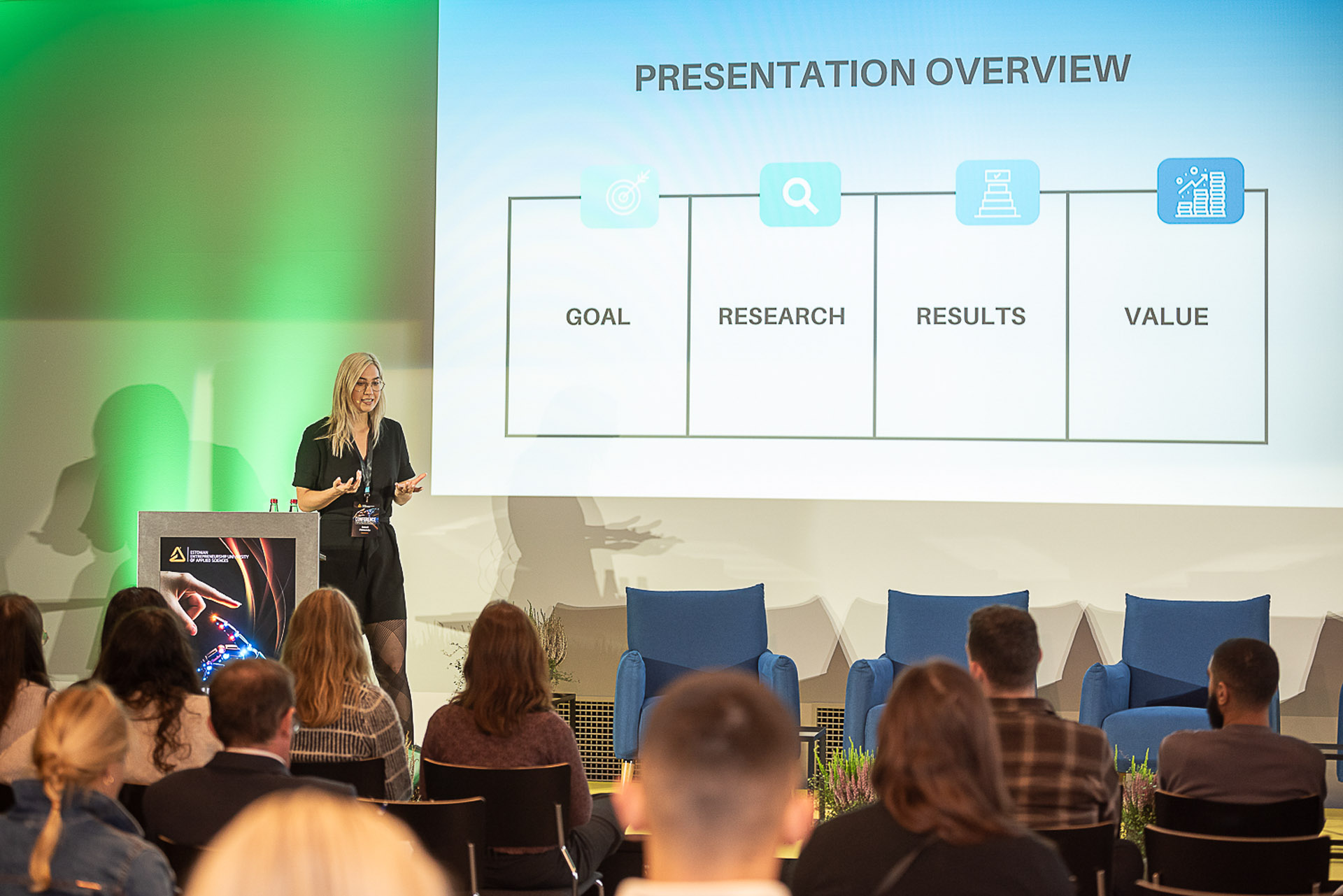
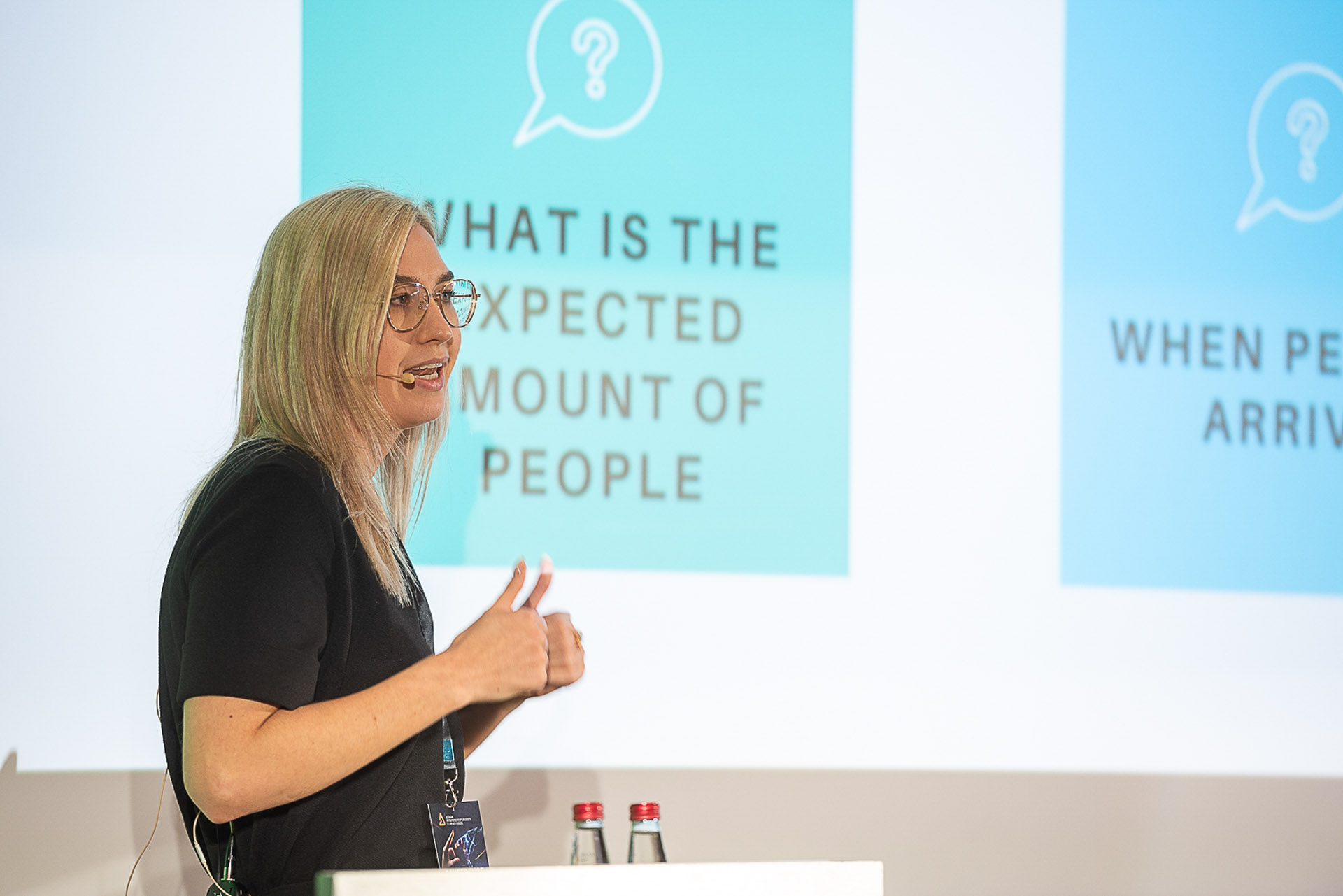
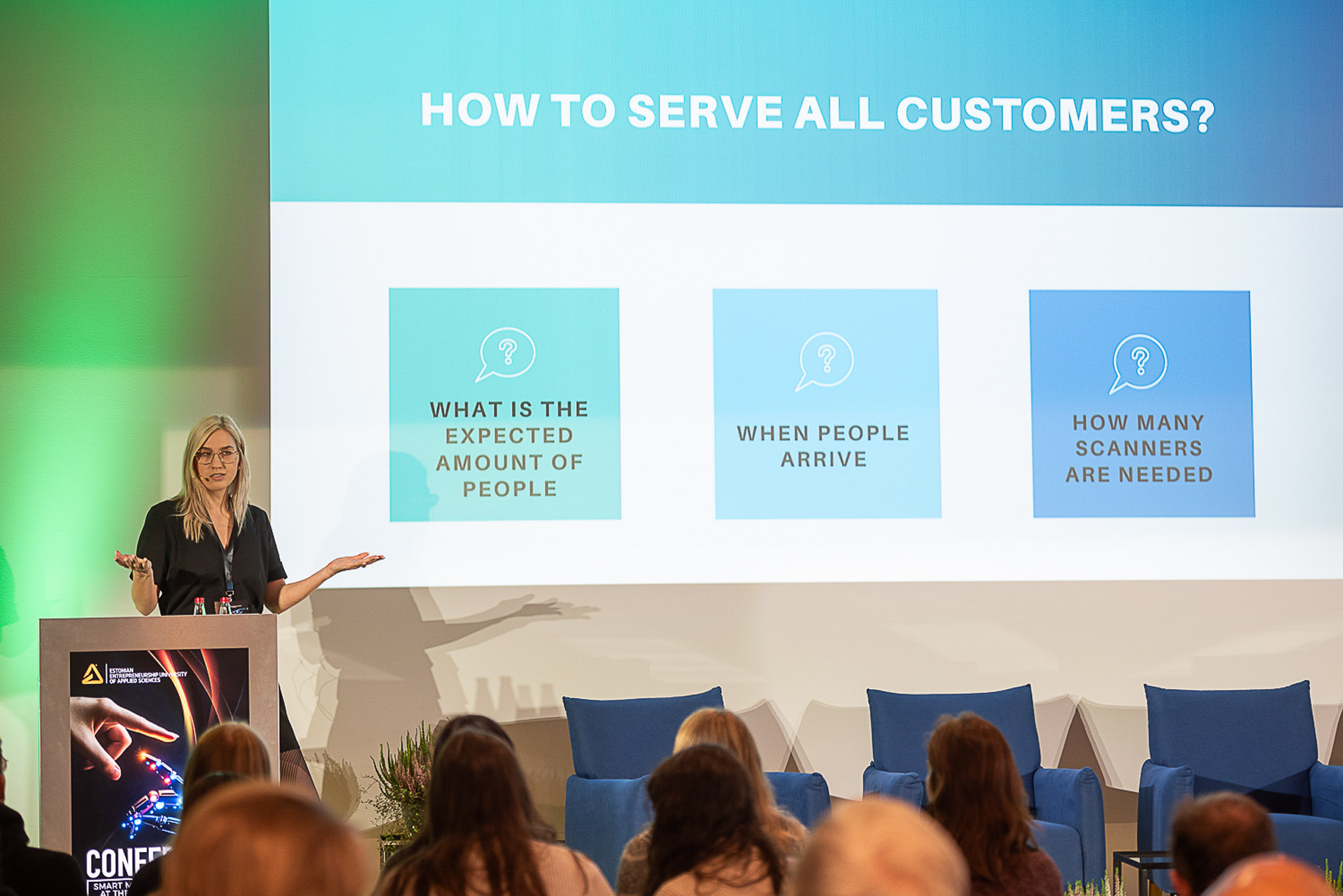
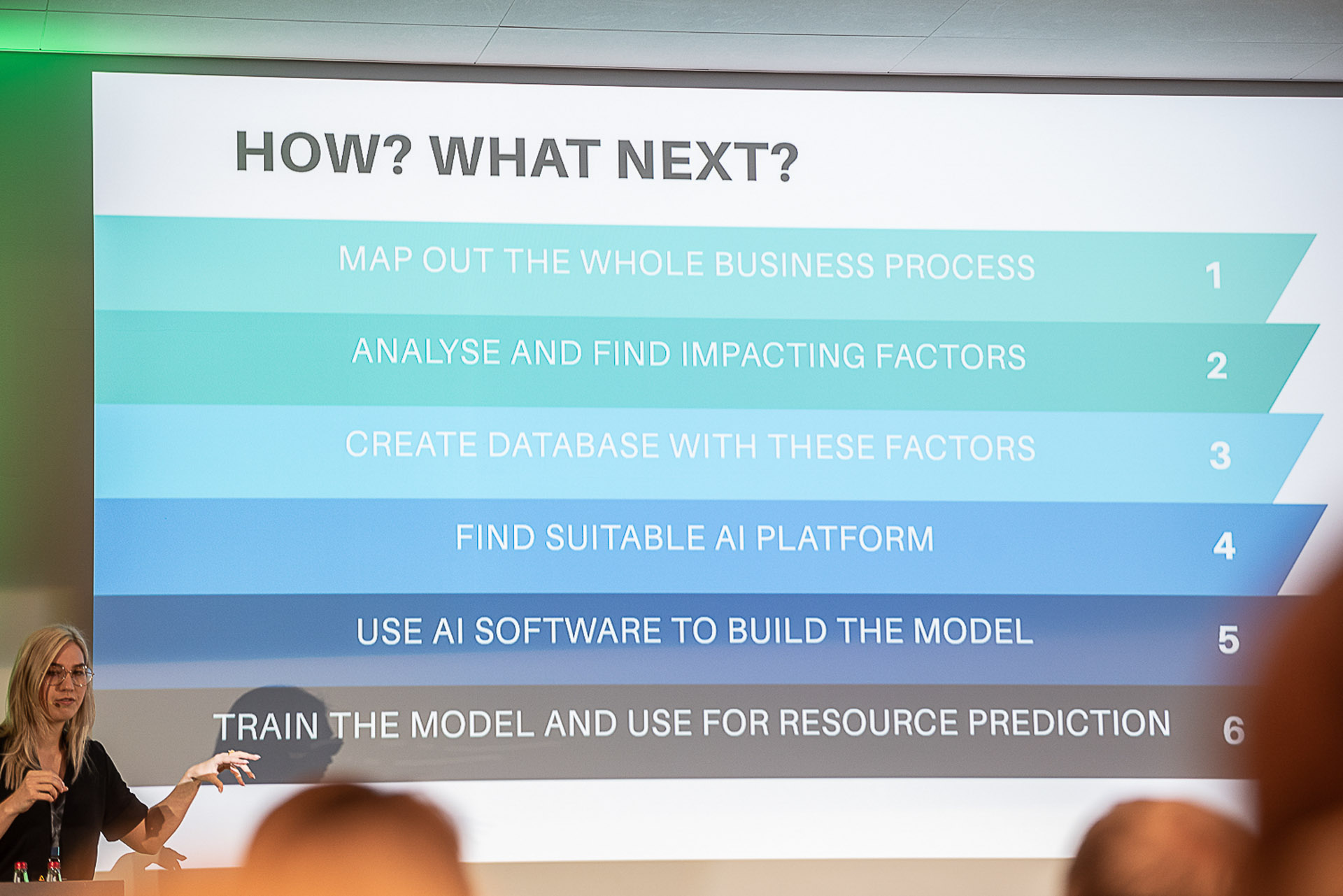
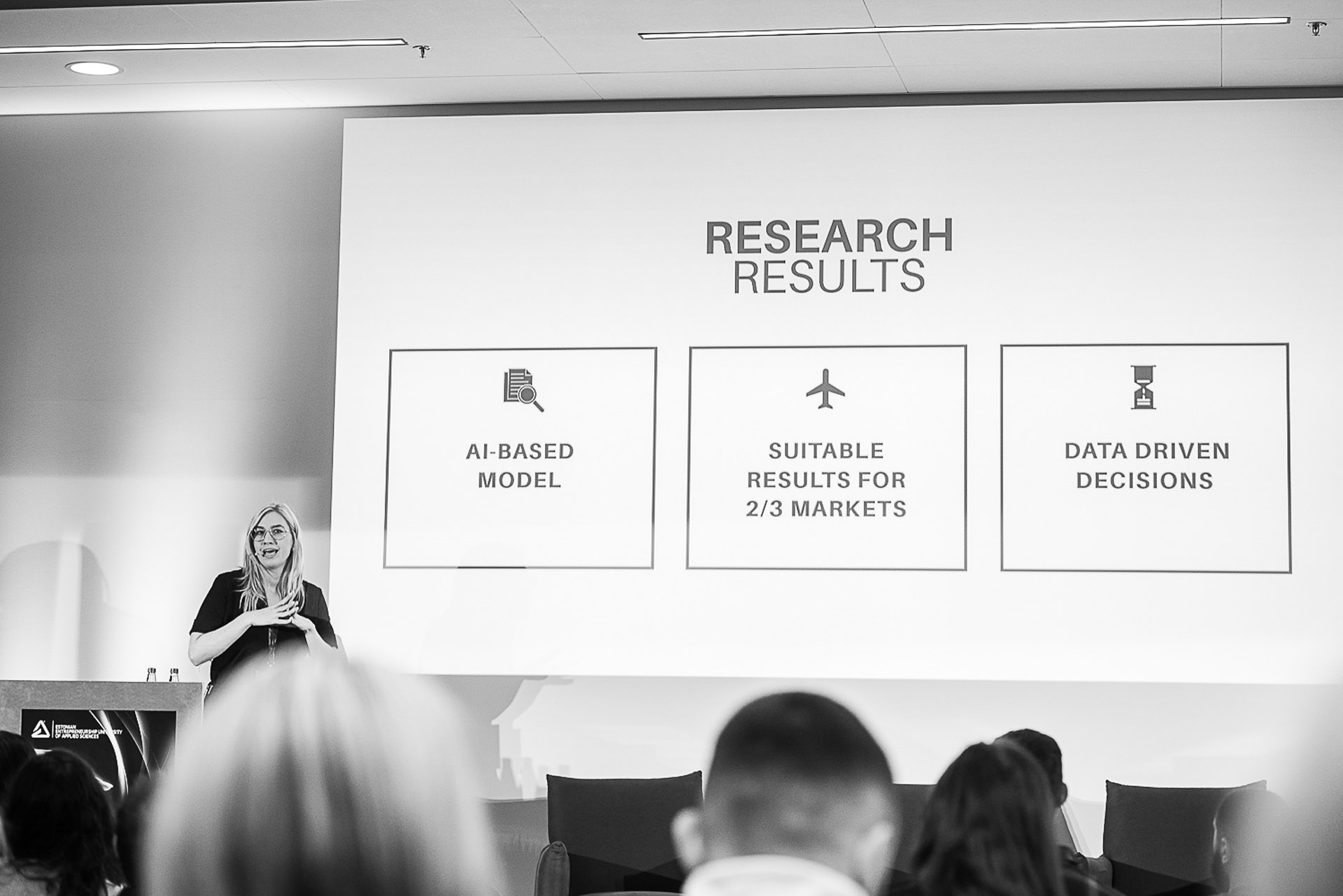
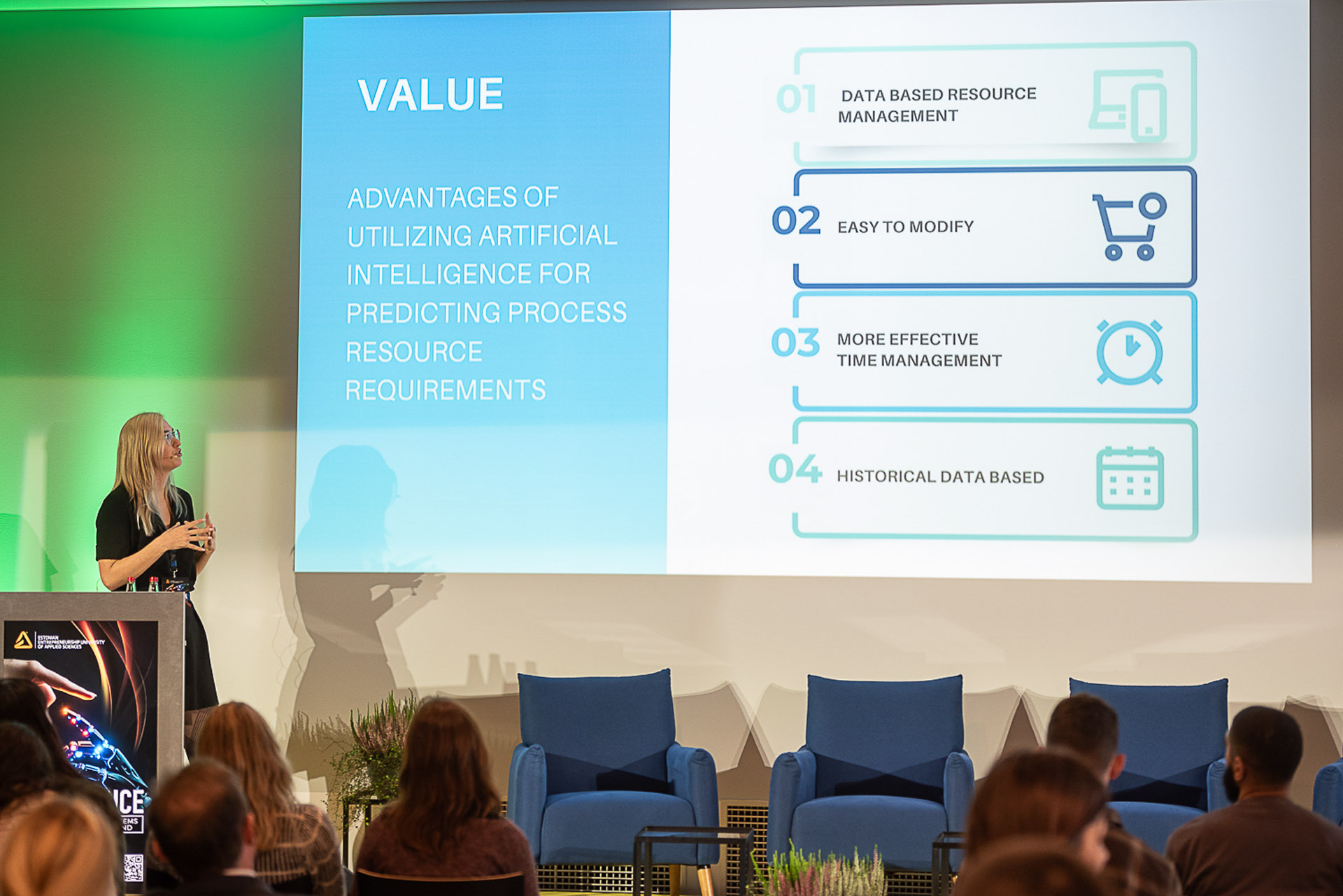
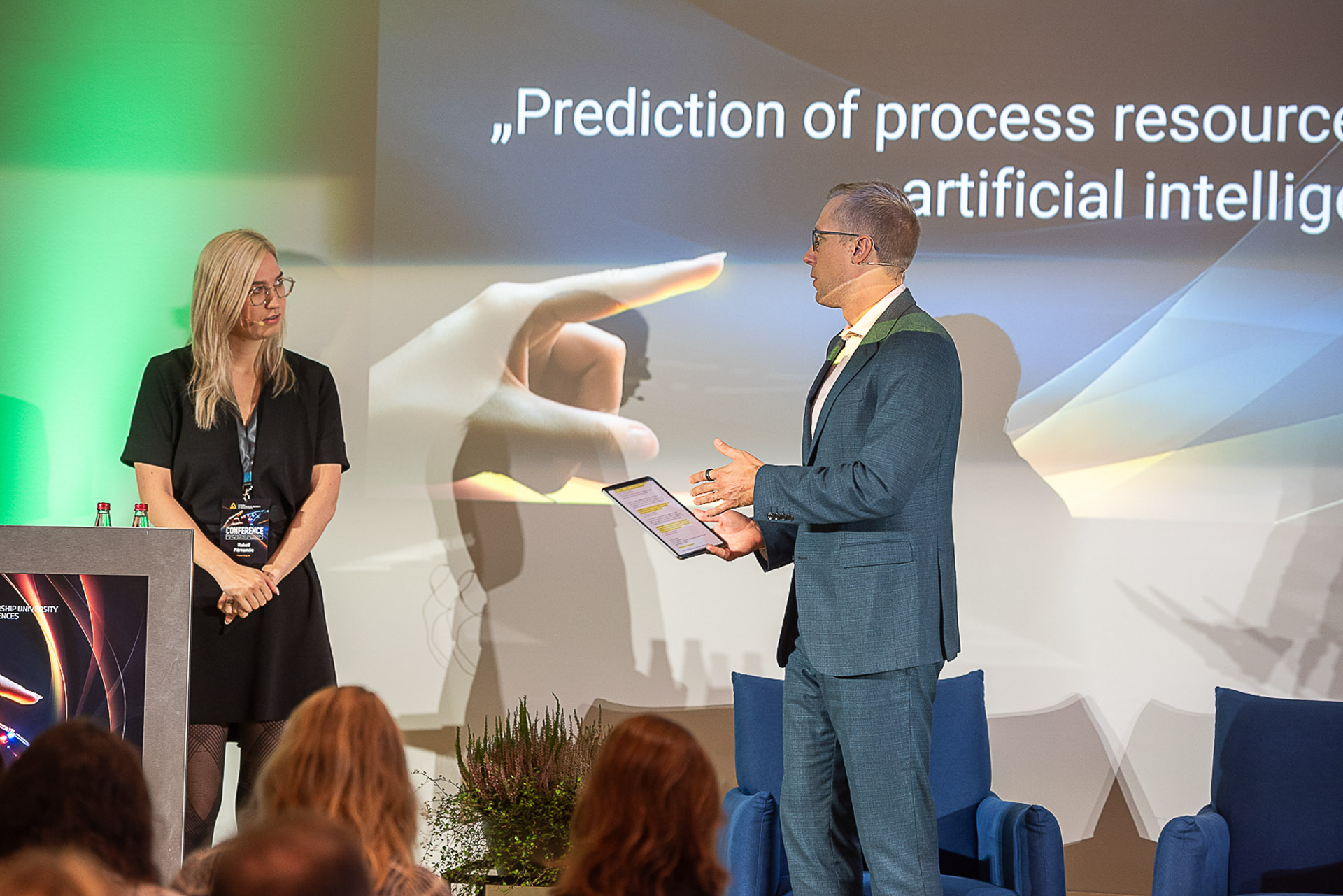
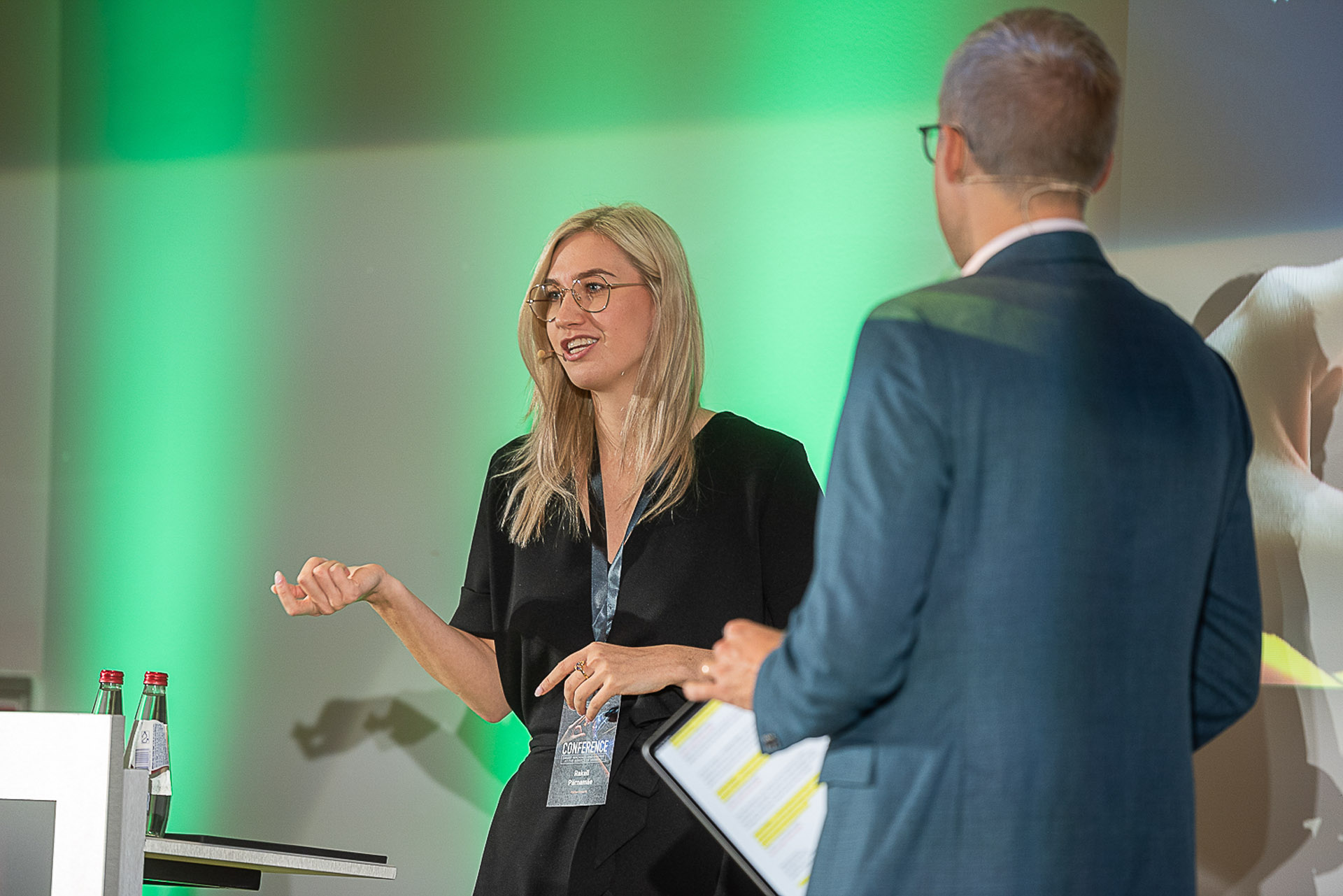
Rakell Pärnamäe
“Prediction of process resource requirements using artificial intelligence”
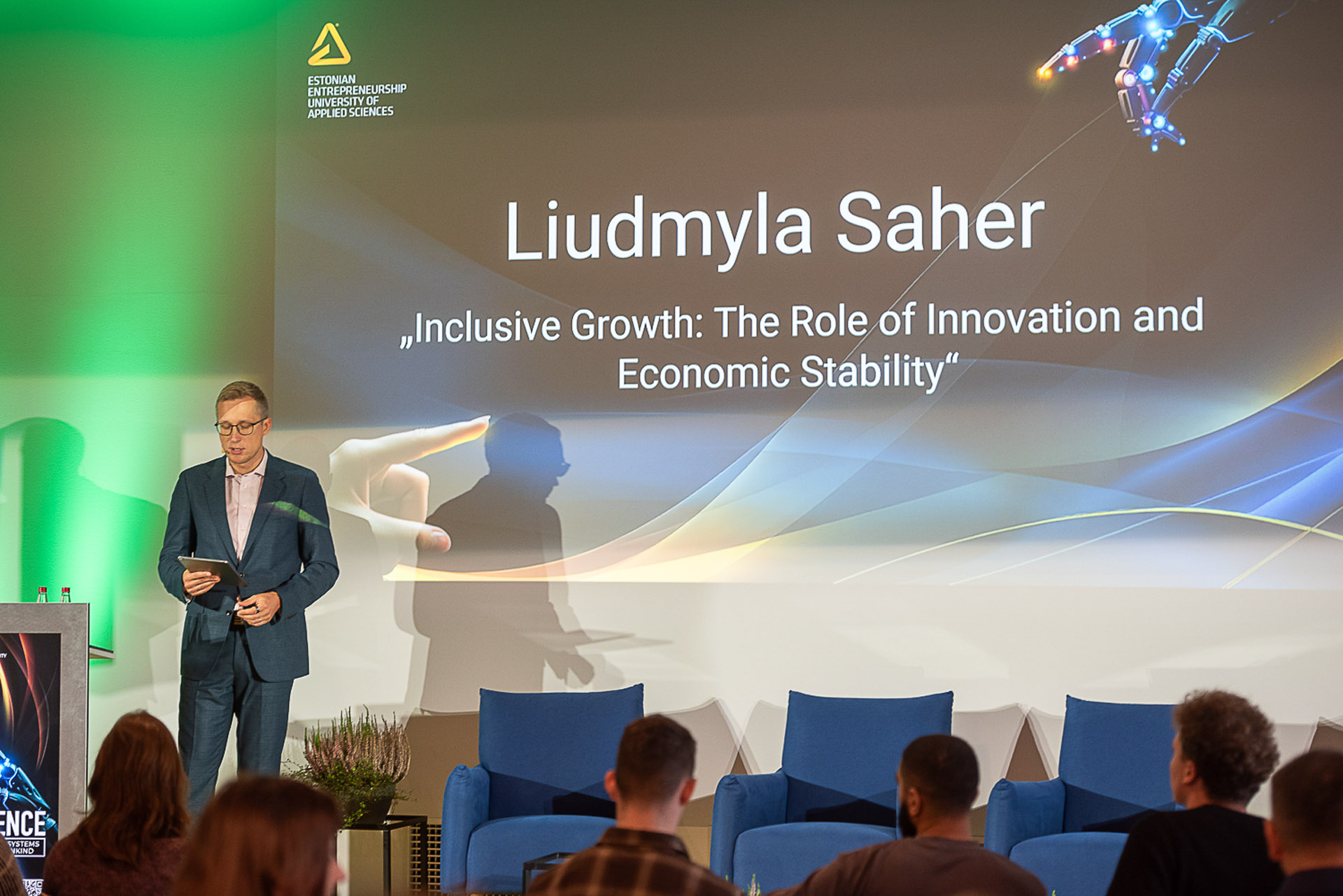
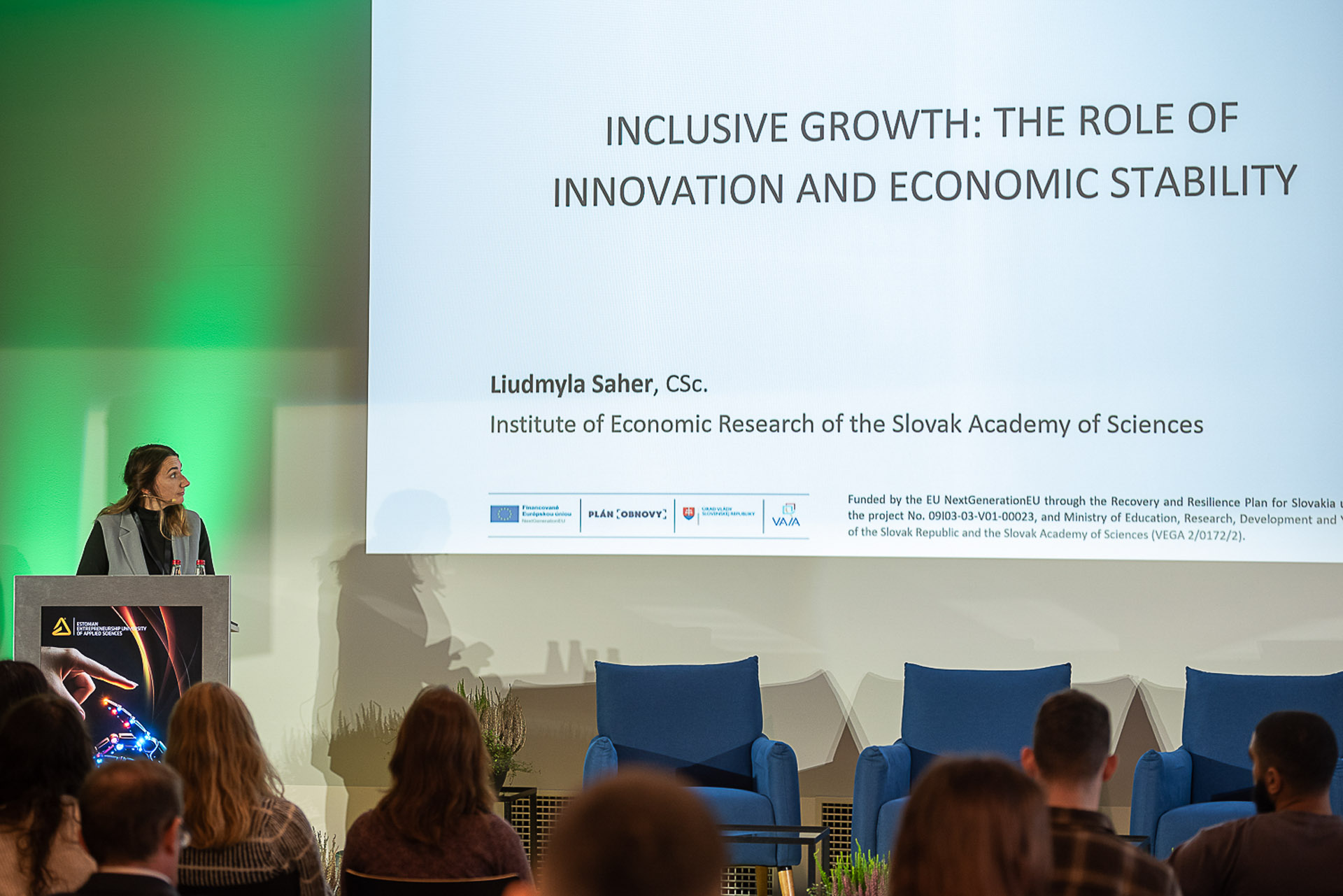
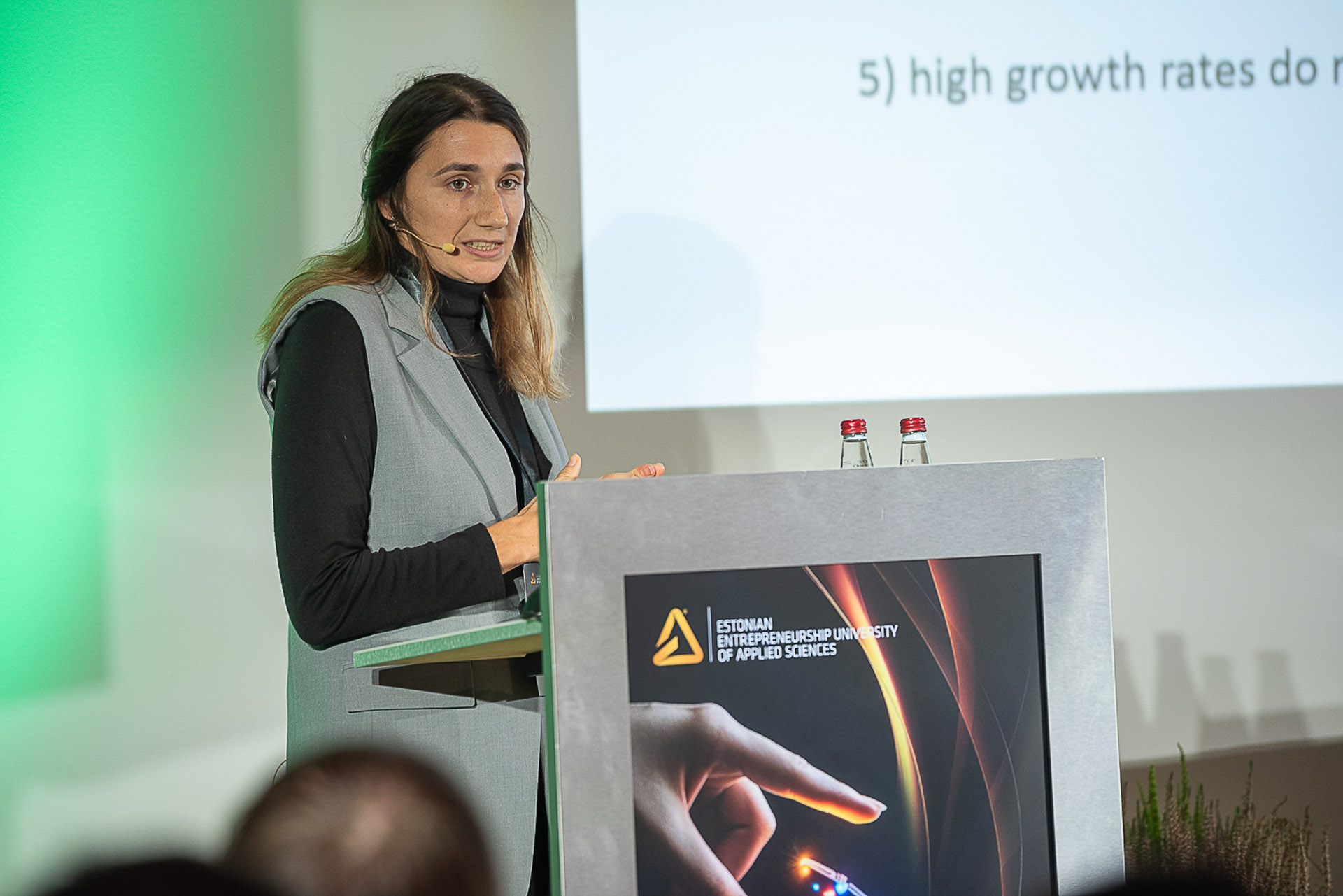
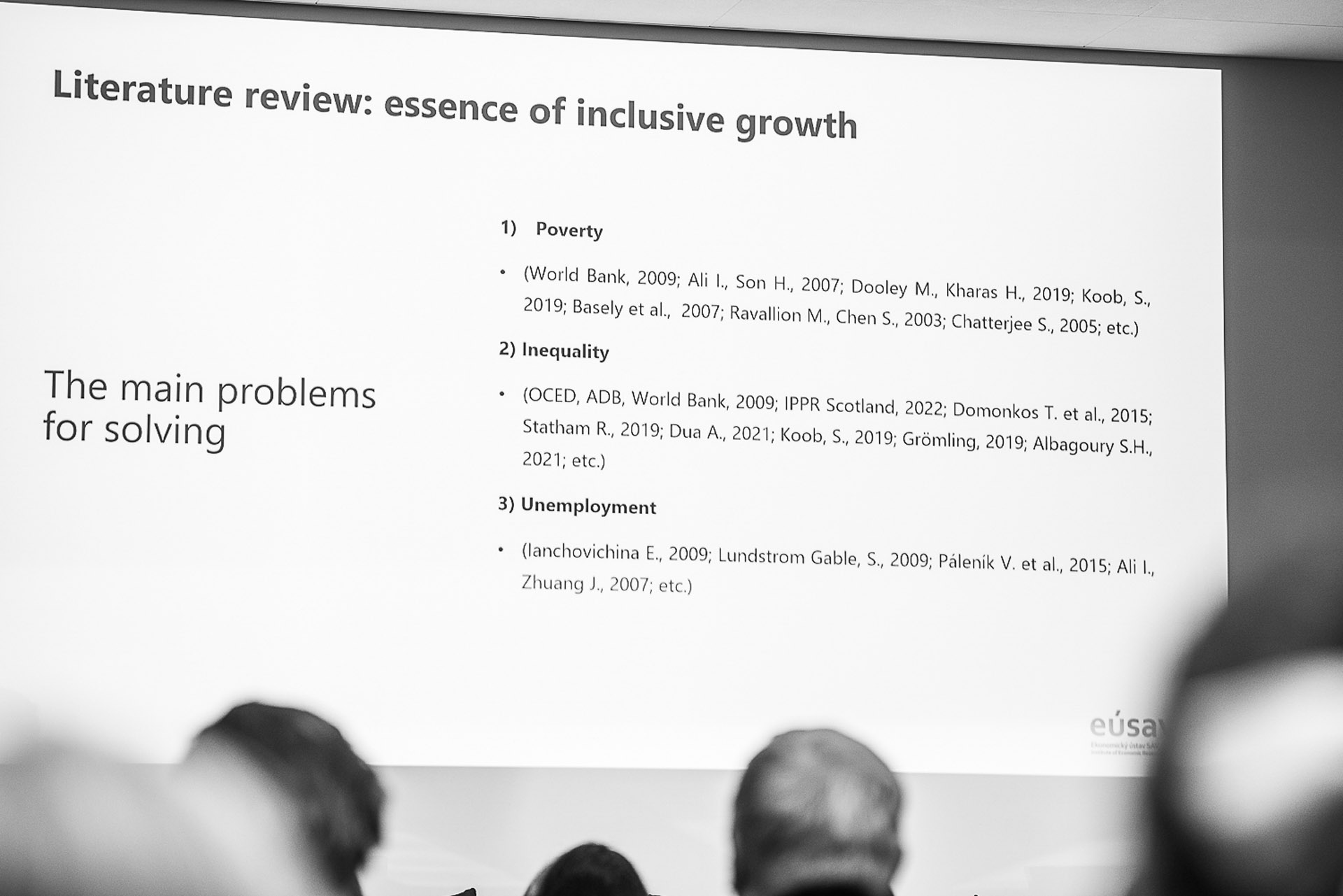
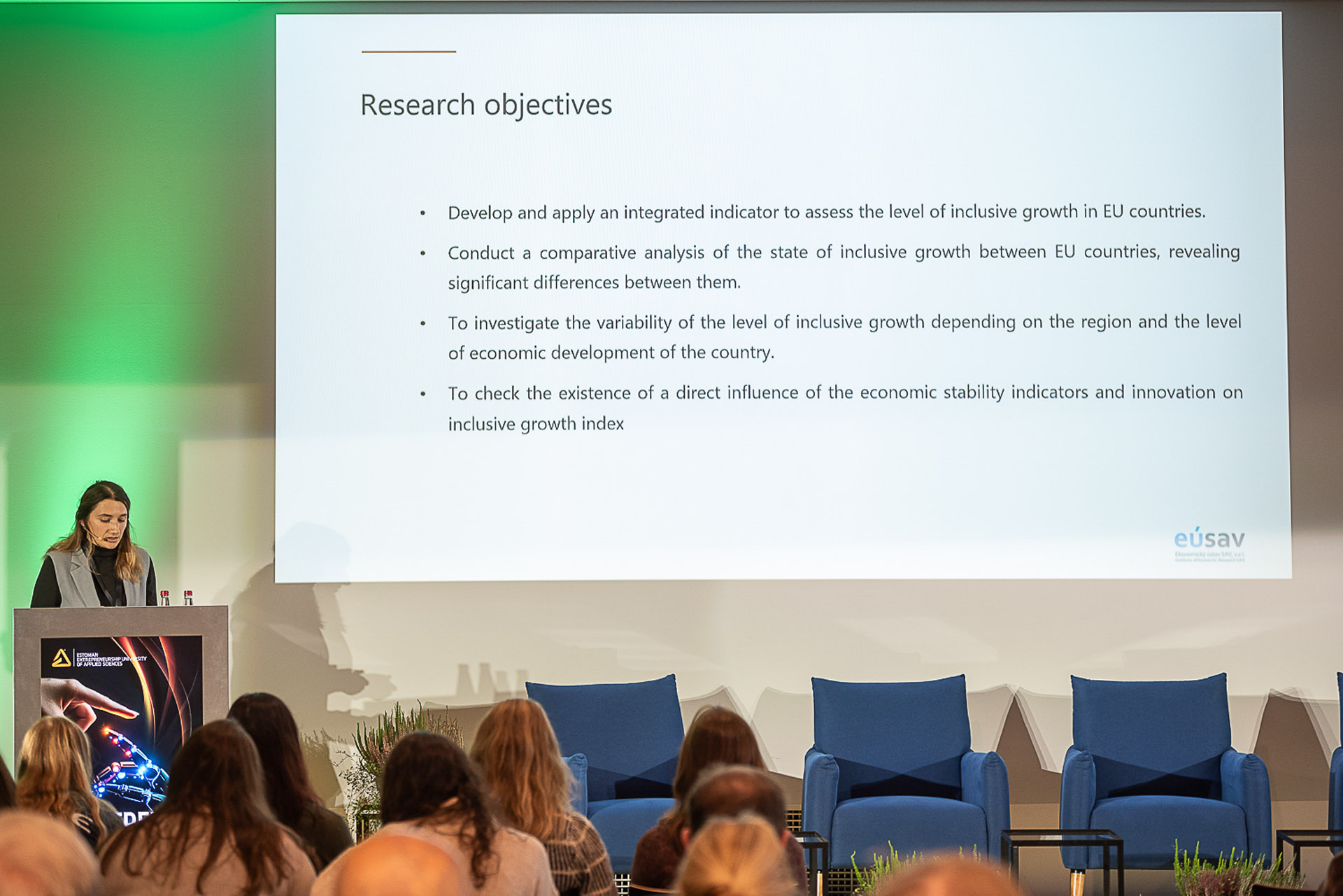
Liudmyla Saher
“Inclusive Growth: The Role of Innovation and Economic Stability”
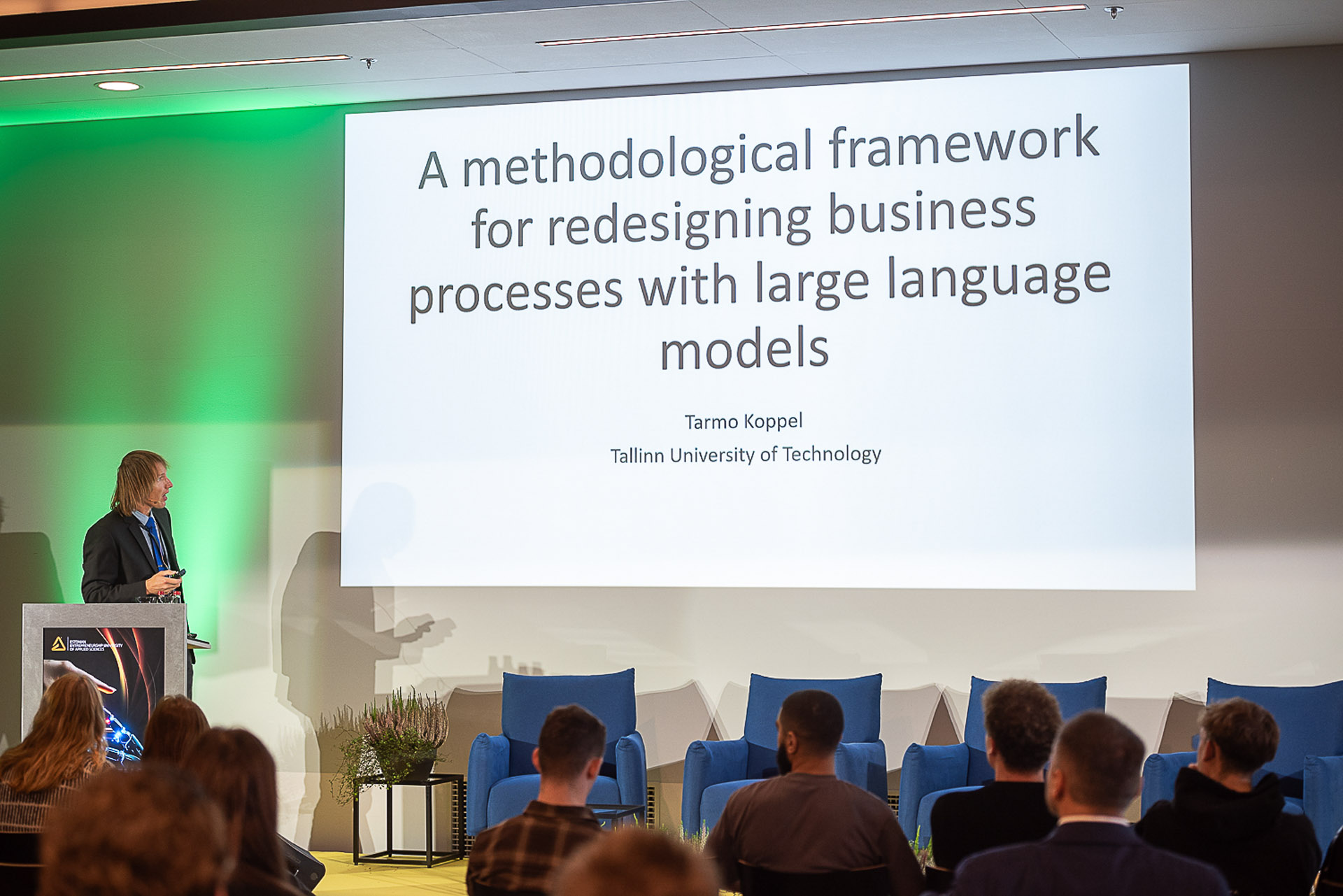
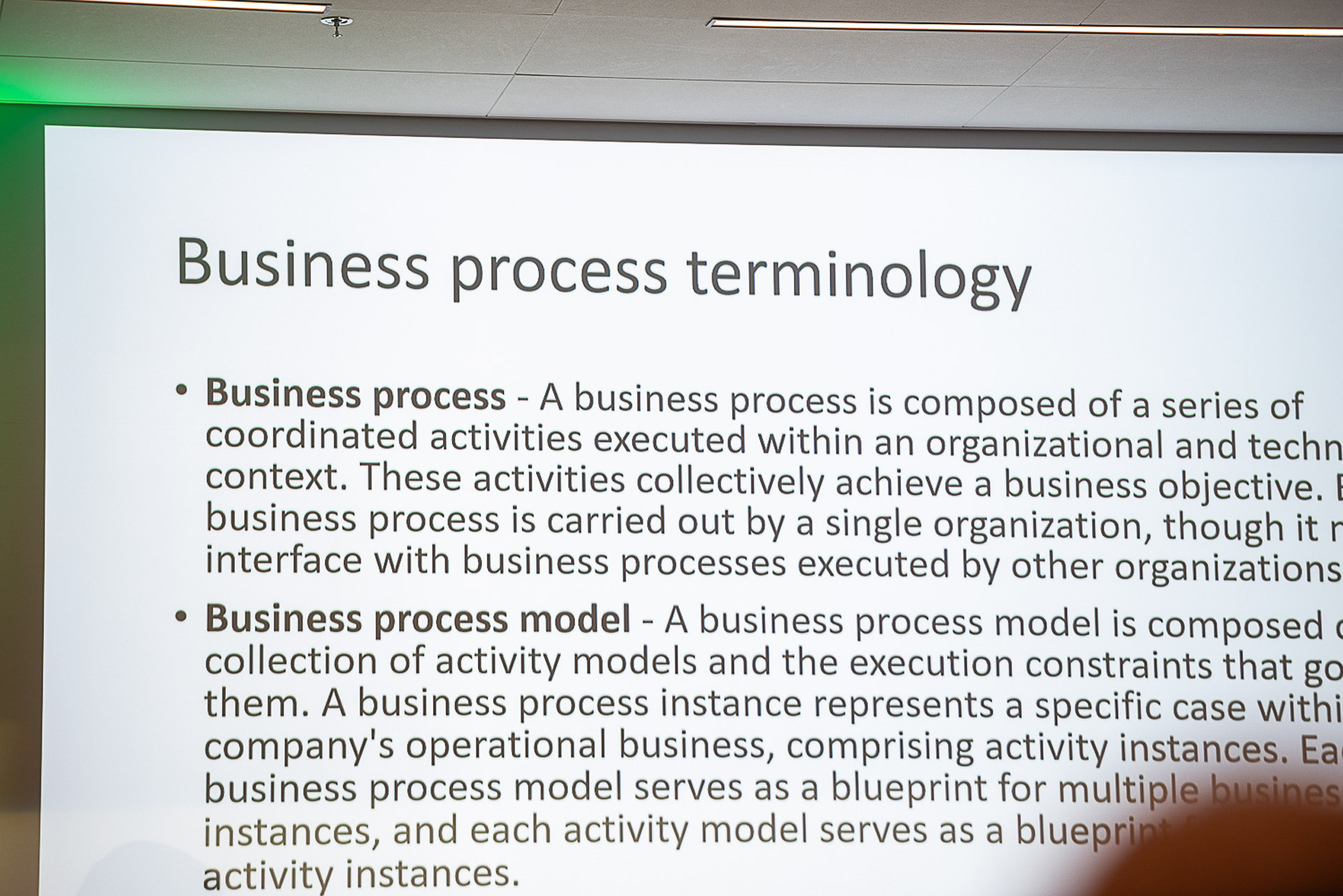
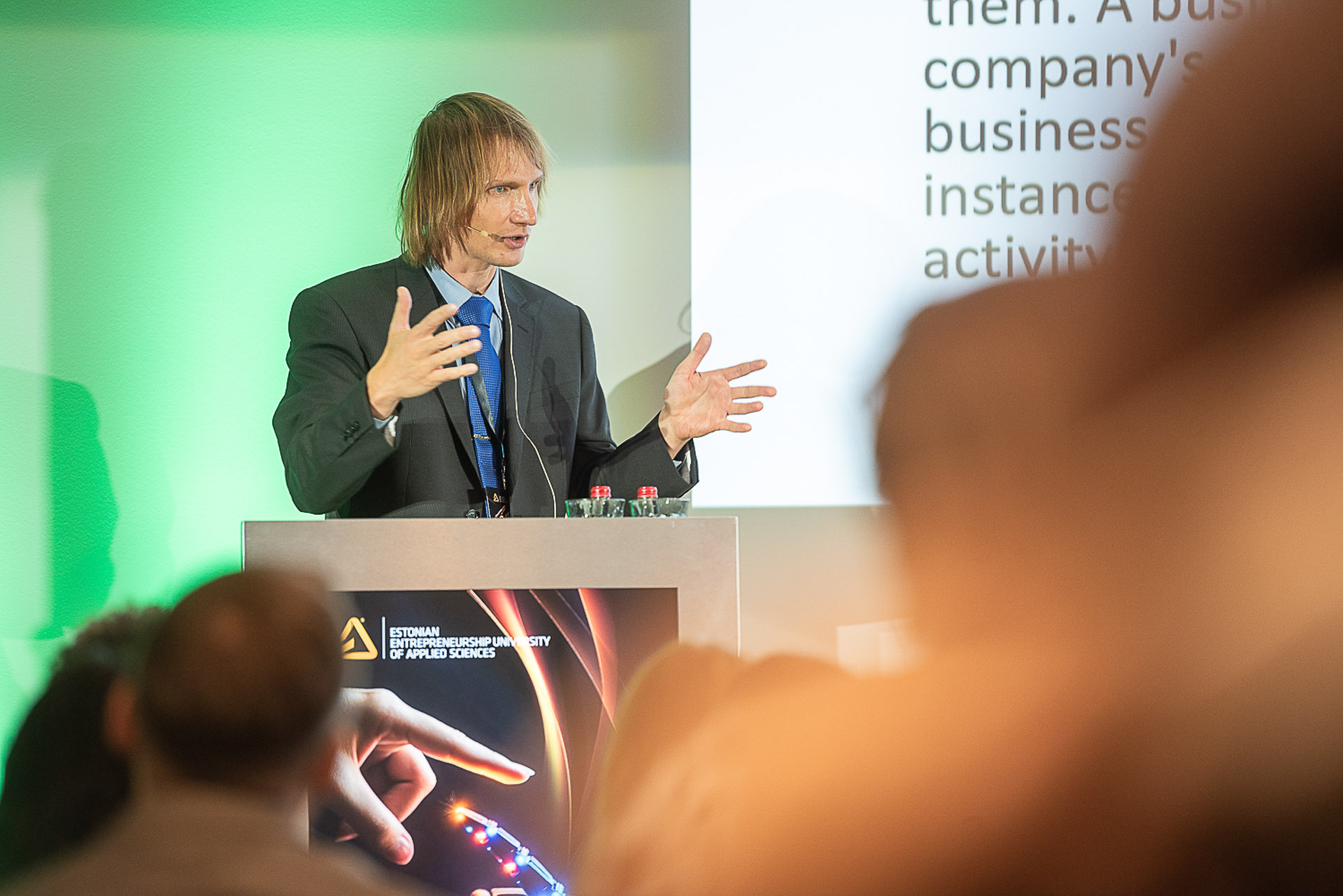
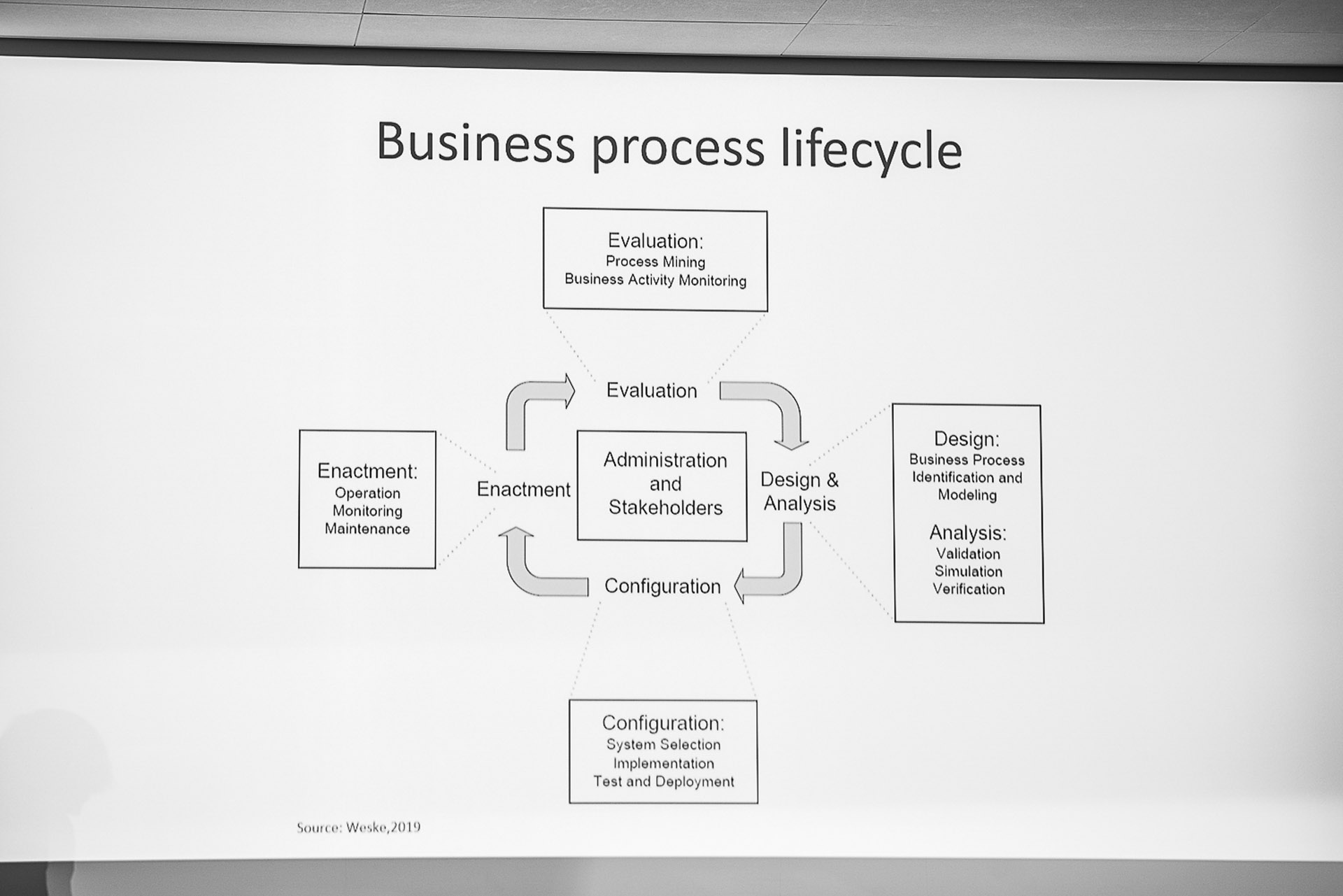
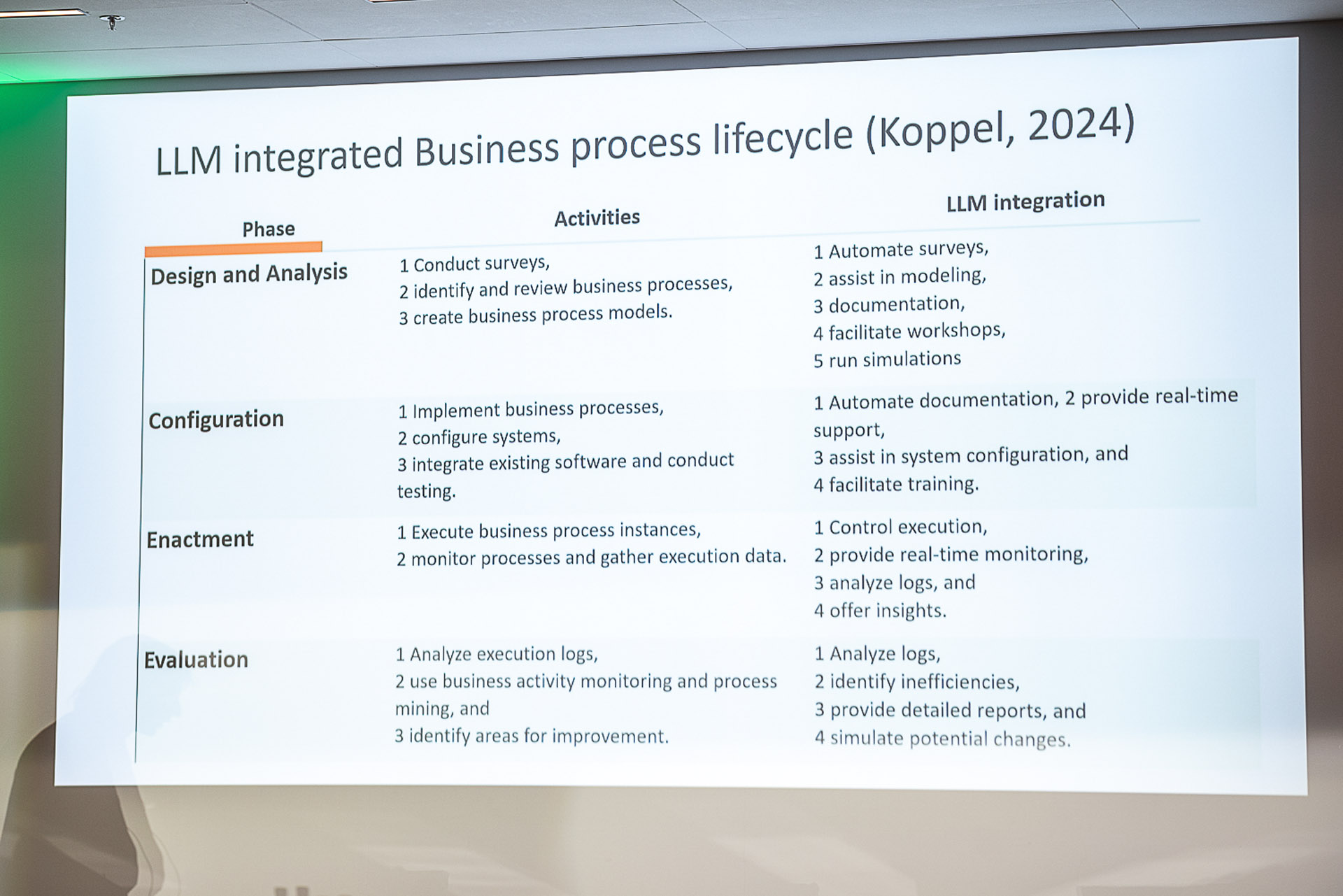
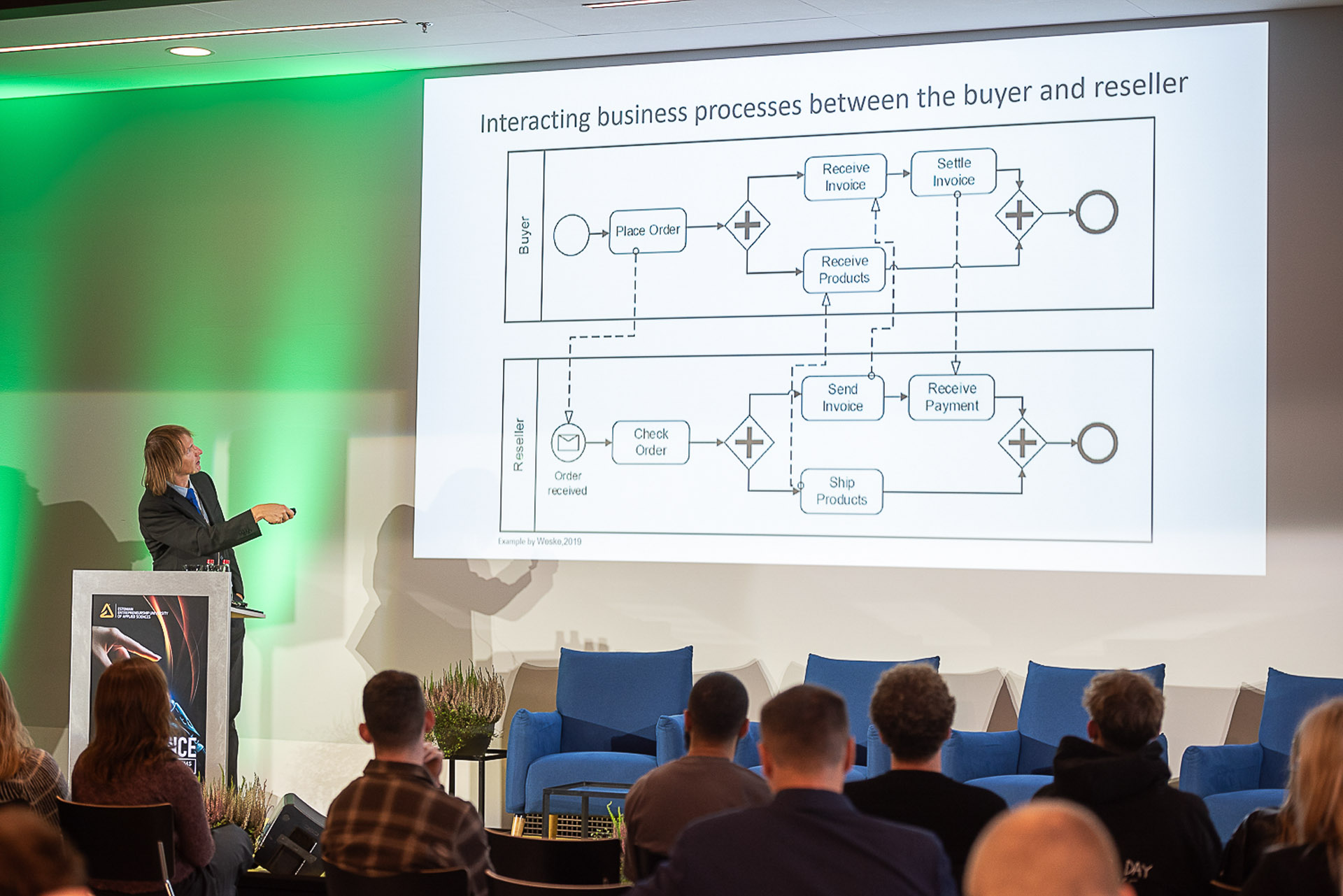
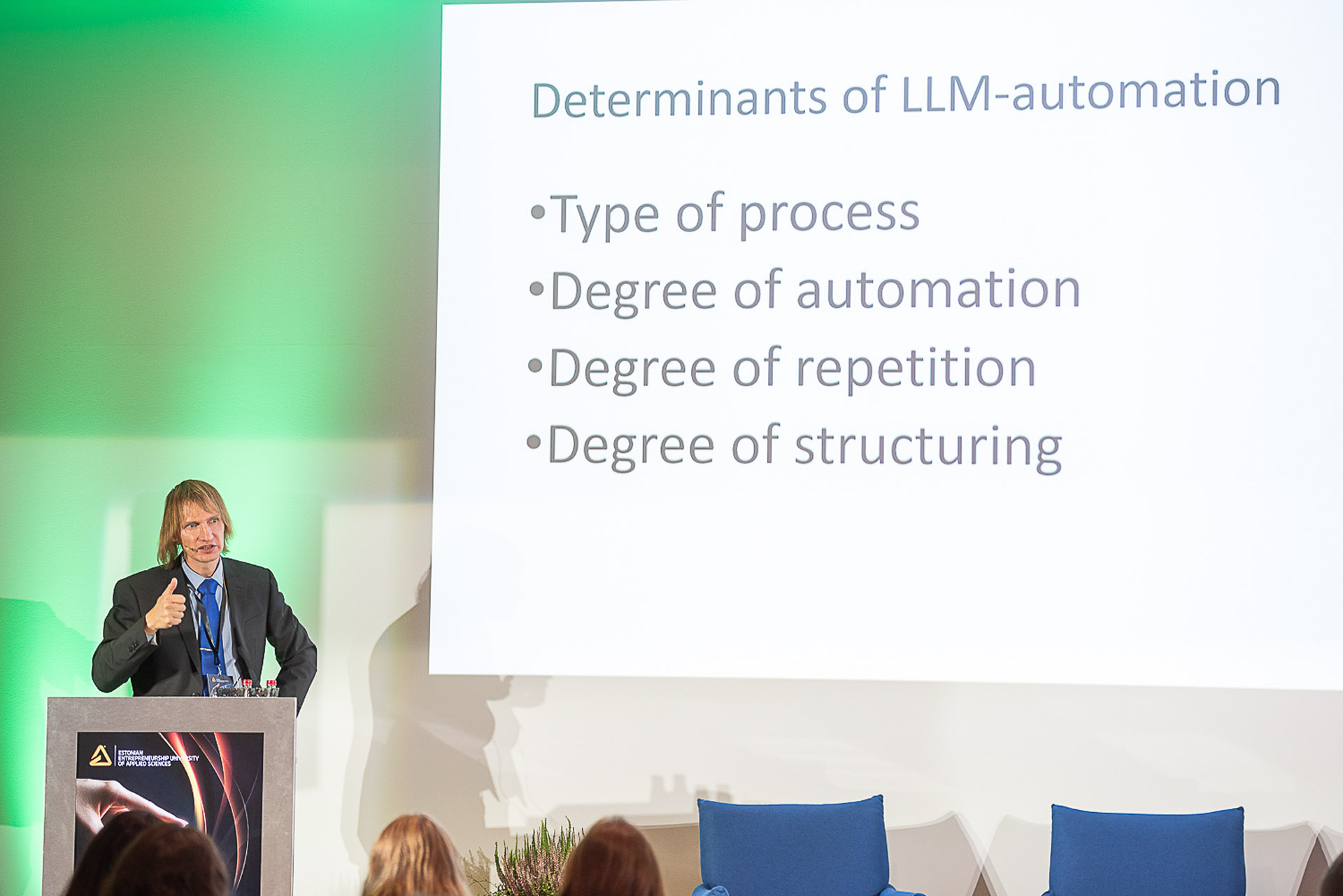
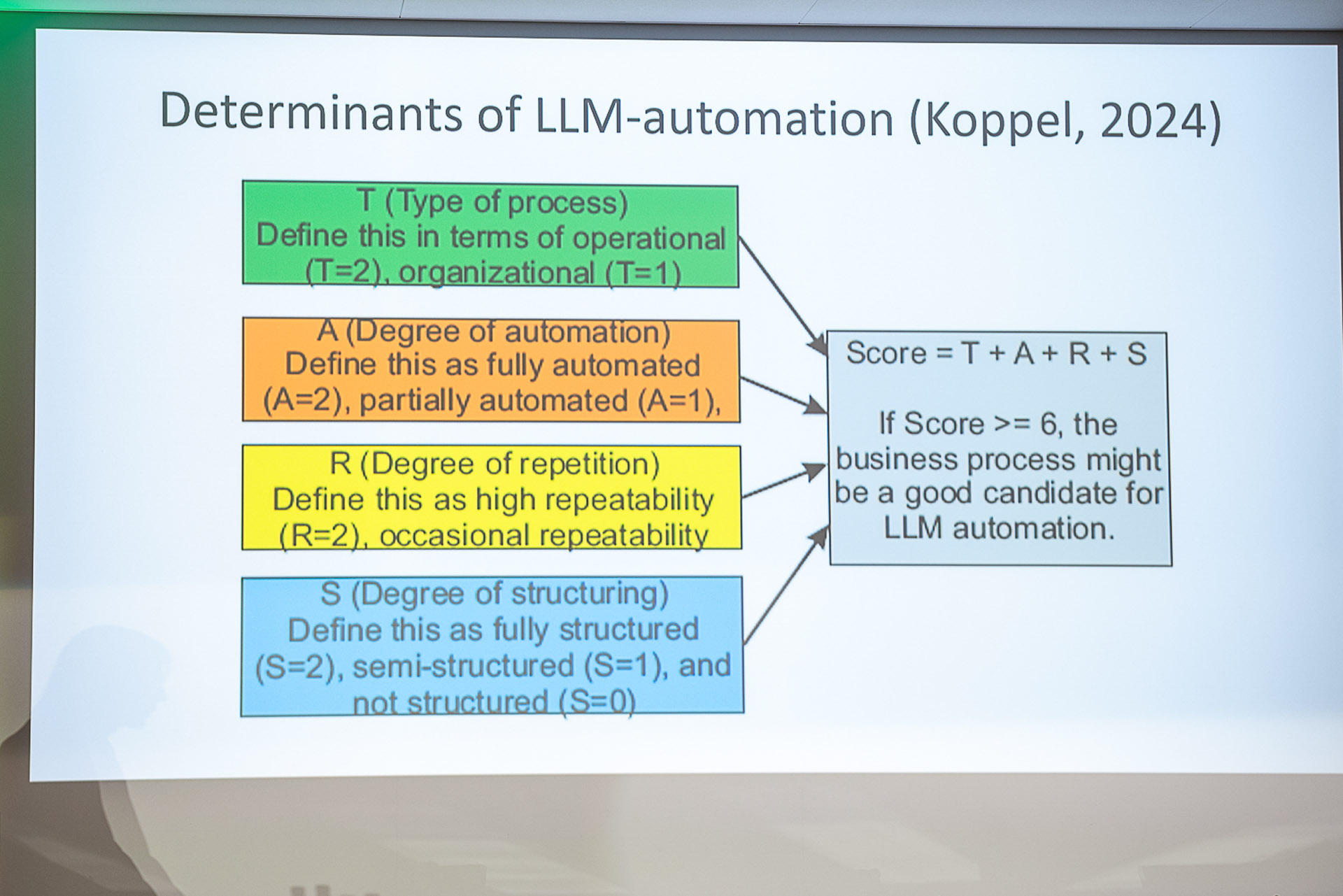
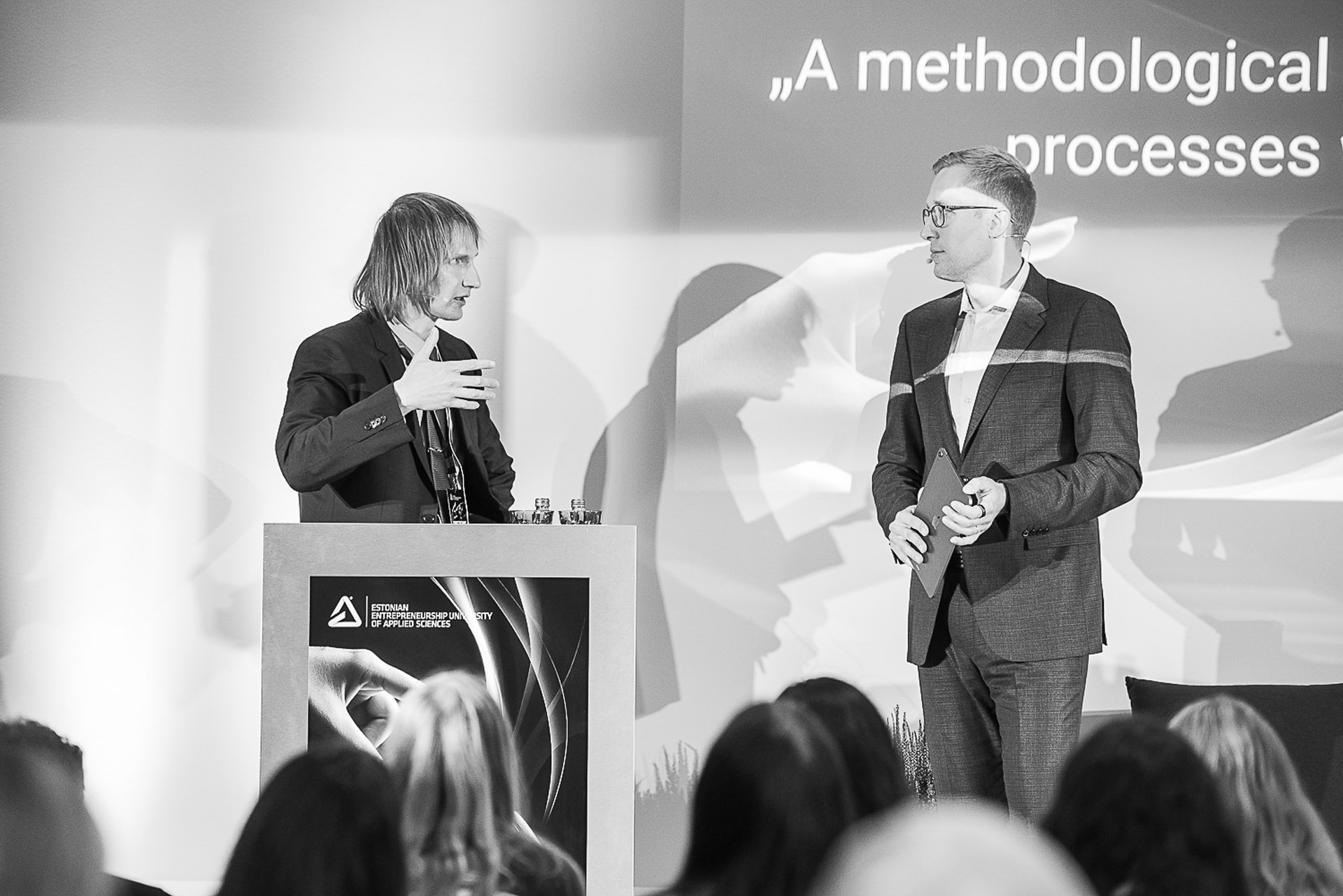
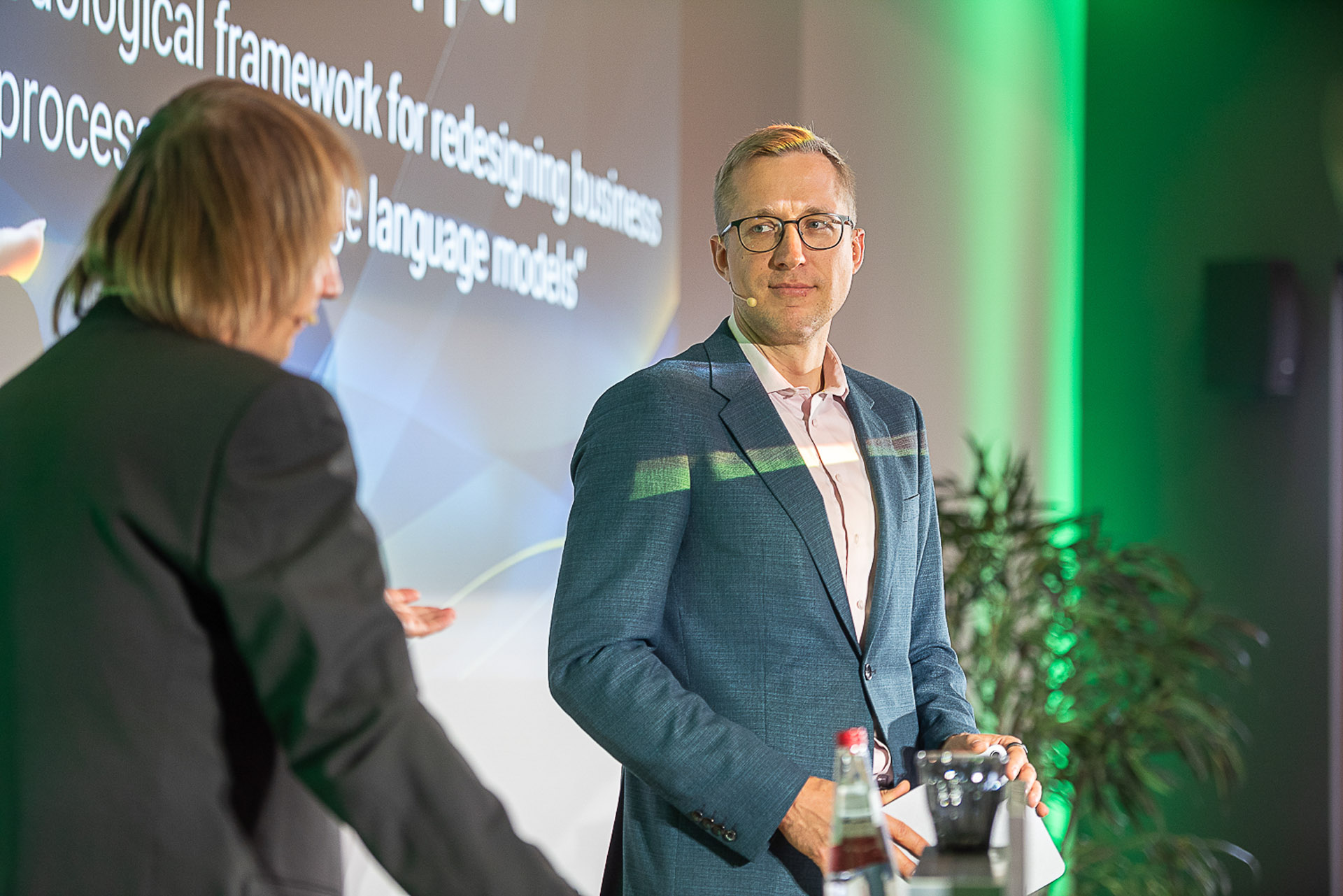
Tarmo Koppel
“A methodological framework for redesigning business processes with large language models”
Panel Discussion:
Andrus Pedai, Timo Seppälä, Eduard Maron, Andri Haran
“Between the technology and mankind: perspectives of education, industry, society”
POSTER SESSION
Alla Starostina, Olena Kanishchenko, Nataliia Chupryna
“Ethical Consequences of The Intellectual Systems Usage in the Educational Process at Higher School”
“Levels of Vehicle Autonomy in Pakistan and Need to Develop the Infrastructure for Autonomous Vehicles in Pakistan”
Margarita Išoraitė, Vilma Kardauskė
“Internet Things, Green Logistics and Green Marketing Features”
“Increasing the Fault Tolerance of Modern Computer Systems through the Use of Modern Polymer-Inorganic Composite Materials with Electronic Conductivity”
“Artificial Intelligence for Educators: How Educators in Pakistan Can Adopt Artificial Intelligence Teaching Methods”
Michael Rau, Jan-David Liebe, Julius Schöning, Jan-Oliver M.A
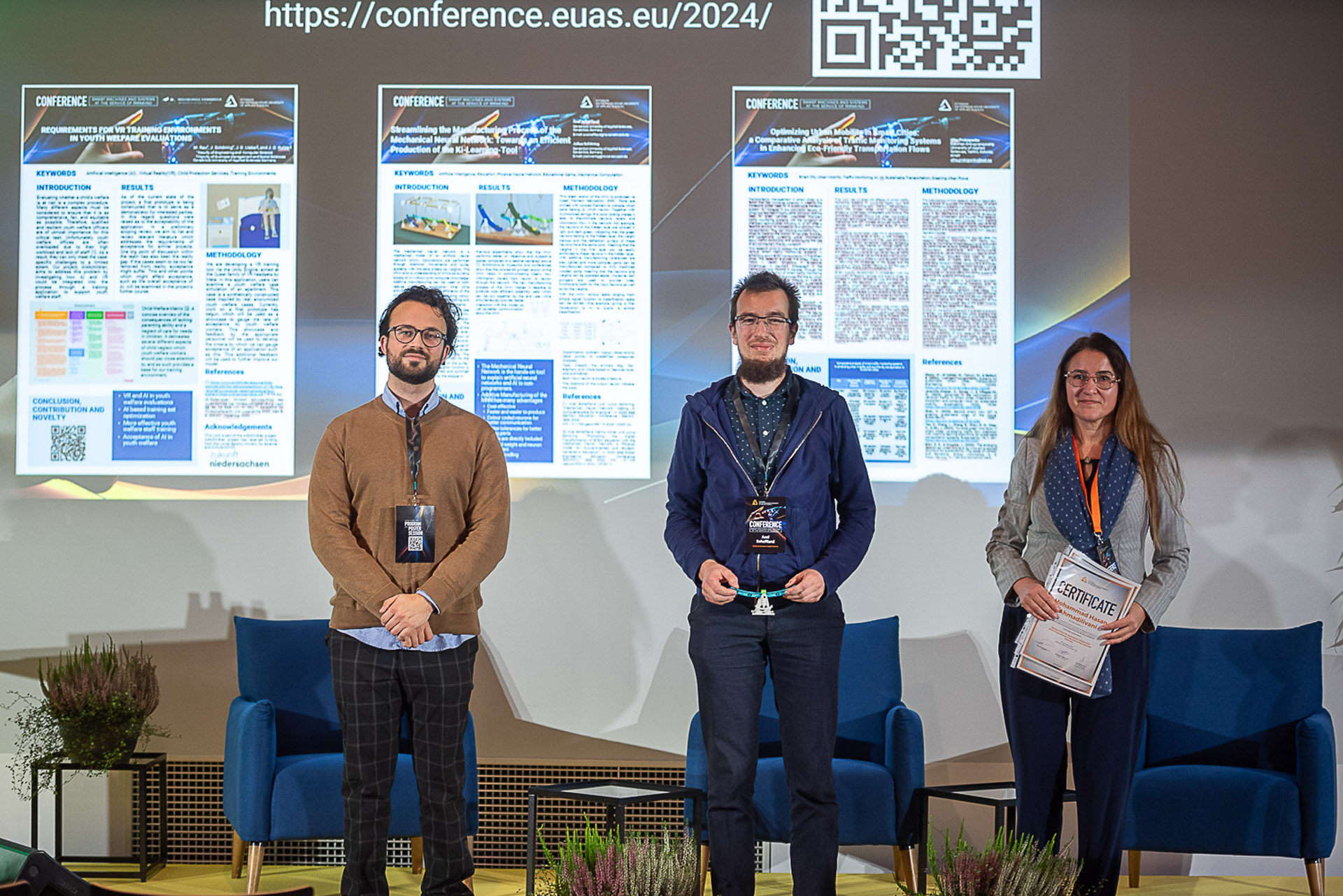
“Requirements for VR Training Environments in Youth Welfare Evaluations”
“Transforming Financial Sector Infrastructure through Digitalization: A Comparative Study of Successful Implementations”
“Optimizing Urban Mobility in Smart Cities: A Comparative Analysis of Traffic Monitoring Systems in Enhancing Eco-Friendly Transportation Flows”
Dzintars Jankovskis, Iveta Cirule
“AI-Based Personalization in E-Learning: Defining Performance Indicators and Utilizing Digital Twin Technology for Enhanced User Engagement”
“The Role of Robots and Mechanisms in Collection Orders in Warehouse”
Viktoriia Khmurova, Viktoriia Kovalenko
“The Impact of Digital Transformation and Artificial Intelligence on Businesses”
Karina Taraniuk, Renata Korsakiene, Astrida Miceikienė, Leonid Taraniuk
“Foreign Investment in the System of Movement towards Sustainable Development”
Yuliia Horiashchenko, Oleksandr Harmash, Roman Kutsyi
“Innovative and Informational Solutions in the Era of Industry 4.0”
“Smart Machines and its Implication on the Future of Work Management”
Mishenina Halyna, Ligita Šimanskienė, Erika Župerkienė
“Artificial Intelligence and the Future of Learning: Preparing T-Shaped Professionals for a Multidisciplinary World”
“Sustainable Development and Preservation of the Environment in a Smart City: From the Point of View of Consumers”
Vladyslav Logos, Viktoriya Onegina
“Artificial Intelligence as the Facilitator of Performance in Working Groups”
Mohammad Hasan Ahmadilivani, Emre Karatopuk, Jaan Raik
“Machine Vision for Automated Collaborative Robot Programming in Manufacturing Industrial Factories”
Svetlana Osinceva, Iveta Cirule, Anita Straujuma
“Smart Technologies in Household Food Waste Management: From Prevention to Disposal”
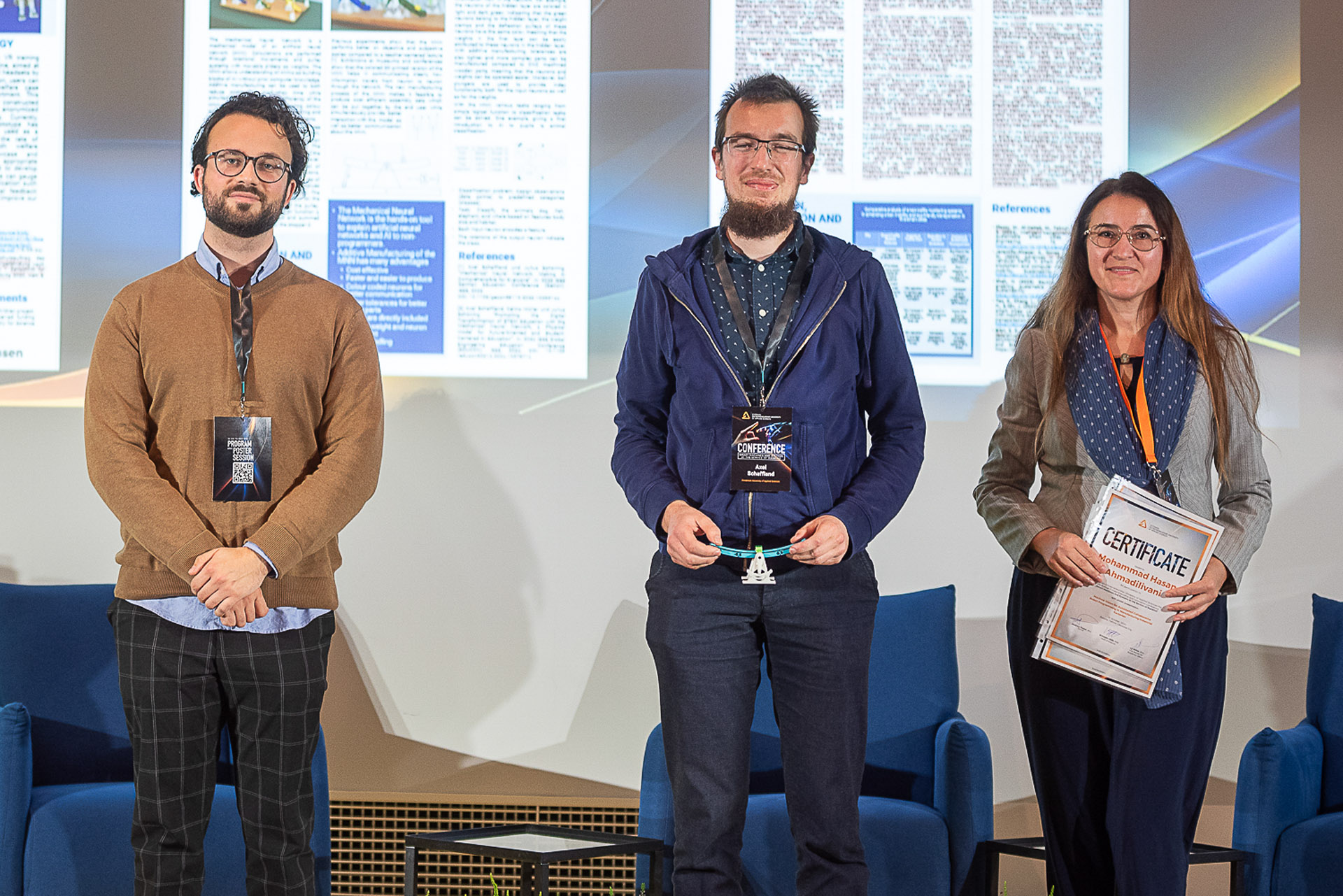
Axel Schaffland, Julius Schöning
“Streamlining the Manufacturing Process of the Mechanical Neural Network: Towards an Efficient Production of the Ki-Learning-Tool”
Andreas Pondorfer, Georg Hoch, Viktoriia Shkola
“The Legacy of the War on Social Capital, Sustainability andResilience in The Digital Age: Evidence from Ukraine”
PHOTO GALLERY